Introduction
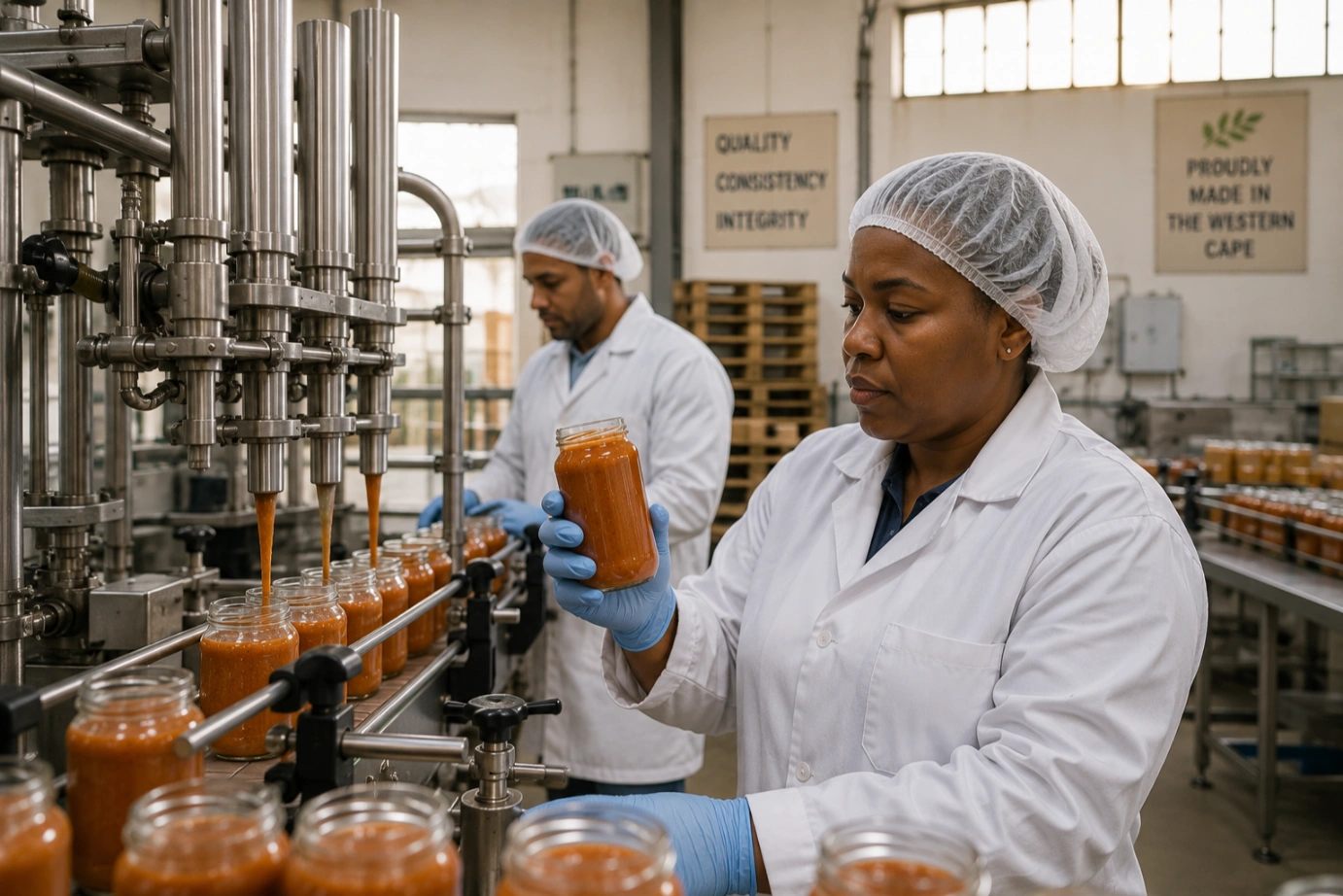
The email arrives on a Tuesday afternoon, and it changes everything. A national retailer wants to discuss producing its house-brand chutney range, and suddenly a small factory in Paarl is staring at the biggest opportunity in its history. Then comes the questionnaire: line capacity per shift, packaging artwork files, certificates, batch traceability records, and a deadline of ten working days. This is where private label supplier readiness stops being a buzzword and becomes the difference between a signed agreement and a polite rejection.
Private label work is one of the most realistic growth routes for South African food and beverage SMEs, because the buyer brings the brand, the shelf space, and the volume. What the buyer does not bring is patience for suppliers who cannot prove their basics. This guide unpacks the three pillars of private label supplier readiness: production capacity, packaging compliance, and the paperwork buyers expect, all framed for South African operating conditions.
Table of Contents:
TL;DR: Key Takeaways
- Private label supplier readiness rests on three pillars: provable production capacity, packaging compliance, and a complete proof pack.
- Buyers score evidence, not enthusiasm, so prepare documents before the first meeting.
- Contract manufacturing South Africa partnerships can close capacity gaps faster than new equipment.
- A standardised proof pack cuts onboarding time and signals operational maturity.
Why private label is the fastest-growing door for SA producers
The retailer logic behind private label growth
Retailers love private label because it improves margin and gives them control over pricing in a cost-sensitive market. For producers, it offers predictable volumes without the marketing spend a consumer brand demands. The catch is that the retailer’s name goes on the pack, so the retailer’s risk appetite drops to nearly zero. Every weakness in a supplier’s operation becomes the retailer’s problem, which is why private label supplier readiness is assessed so strictly.
Where SMEs fit in a concentrated market
Smaller producers are not bit players in this story. According to Statistics South Africa, small and micro businesses generate 59% of total income and 60% of employment in the food and beverage sector, which makes them the backbone of the supply base buyers draw from. The opportunity is real, but so is the competition. The producers who win private label contracts are rarely the cheapest; they are the ones who make the buyer’s due diligence easy.
What private label supplier readiness actually means
Readiness is proof, not potential
Many SMEs confuse readiness with ambition. A passionate pitch about future capacity does not move a procurement scorecard. Private label supplier readiness means that when a buyer asks for evidence, the evidence exists, is current, and matches the actual site and product. Think of it as the difference between saying the factory can run double shifts and showing a production schedule from last December that proves it.
The three pillars buyers score first
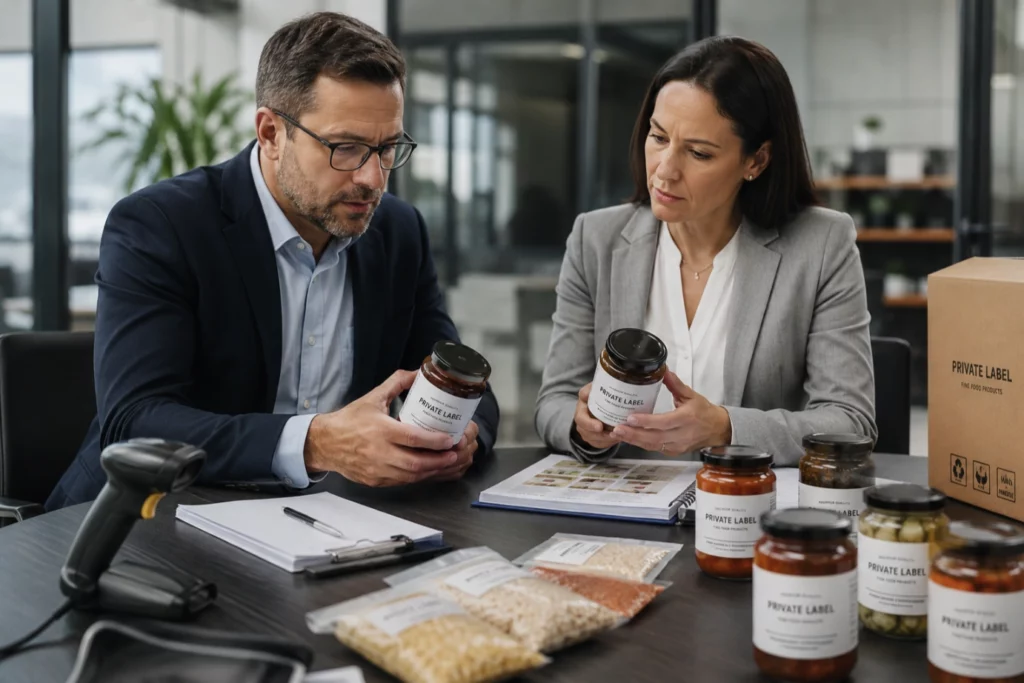
Buyers tend to evaluate private label candidates against three pillars before anything else. First is production capacity: can the supplier deliver the volumes consistently, including during peak periods? Second is packaging compliance: do labels, claims, and barcodes meet legal and retailer requirements? Third is paperwork: certificates, specifications, traceability records, and quality release documents. A gap in any pillar usually parks the conversation, so a structured supplier vetting checklist for food businesses is a useful mirror to hold up to your own operation before a buyer does.
Pillar one: production capacity that survives a busy season
Stating real capacity without overselling
Production capacity questions trip up more SMEs than any compliance issue. The temptation is to quote a theoretical maximum, the number the line could hit if nothing ever went wrong. Buyers know that number is fiction. A credible answer describes a normal week, a peak week, and the constraint that separates them, whether that is filler speed, cold storage space, or labour availability.
Overselling capacity is the fastest way to turn a dream contract into a nightmare. A missed private label delivery does not just cost a chargeback; it damages the retailer’s own shelf plan and brand. Quote conservative, provable volumes and explain the roadmap for scaling. Buyers respect honesty about constraints far more than they respect optimism.
Power, people, and the limiting step
South African conditions add their own layer to capacity planning. Buyers will ask what happens to throughput and cold chain integrity when the power goes down, and a shrug is not an answer. They will also ask about labour continuity, seasonal input availability, and what the single limiting step in the process is. Suppliers who can show backup power runtimes, staffing plans, and documented contingency procedures move up the shortlist quickly.
Contract manufacturing South Africa: when to partner instead of build
Sometimes the honest answer is that the current facility cannot meet the volumes alone, and that is not a dead end. Contract manufacturing South Africa arrangements let a brand or recipe owner produce through an established facility while retaining product ownership. For an SME chasing a private label deal, a co-packer can close the capacity gap without the capital risk of new equipment. The partnership itself must be vetted properly, though, so work through a co-packer selection checklist covering capacity, changeovers, quality ownership, and accountability before signing anything.
Pillar two: packaging compliance that passes a desk audit
Labelling rules buyers check before tasting anything
Packaging compliance is where many promising private label conversations quietly die. South African food labels must comply with the Regulations Relating to the Labelling and Advertising of Foodstuffs, published as R146 under the Foodstuffs, Cosmetics and Disinfectants Act, which the South African government brought into effect in March 2012. These rules govern product naming, ingredient declarations, allergen statements, date marking, and the conditions under which claims may appear on a label.
For private label work, the stakes are doubled because the retailer’s legal team reviews artwork before launch. A supplier who submits artwork with unsubstantiated claims, missing allergen statements, or incorrect nutritional formats signals risk before a single jar ships. Run every label through a food label compliance checklist before sharing artwork with a buyer, and keep an eye on proposed regulatory updates so packaging does not need an expensive redesign mid-contract.
Retailer-specific packaging specs and barcodes
Legal compliance is the floor, not the ceiling. Each retailer adds its own packaging specifications: case configurations, pallet patterns, shelf-ready packaging formats, barcode placement, and artwork brand guides. Private label supplier readiness includes the ability to manage artwork approval cycles, source compliant packaging materials reliably, and maintain barcode and product data accuracy across every SKU. Buyers see clean product data as a sign of a supplier who will be easy to work with.
Pillar three: the paperwork buyers expect in week one
Building a private label proof pack
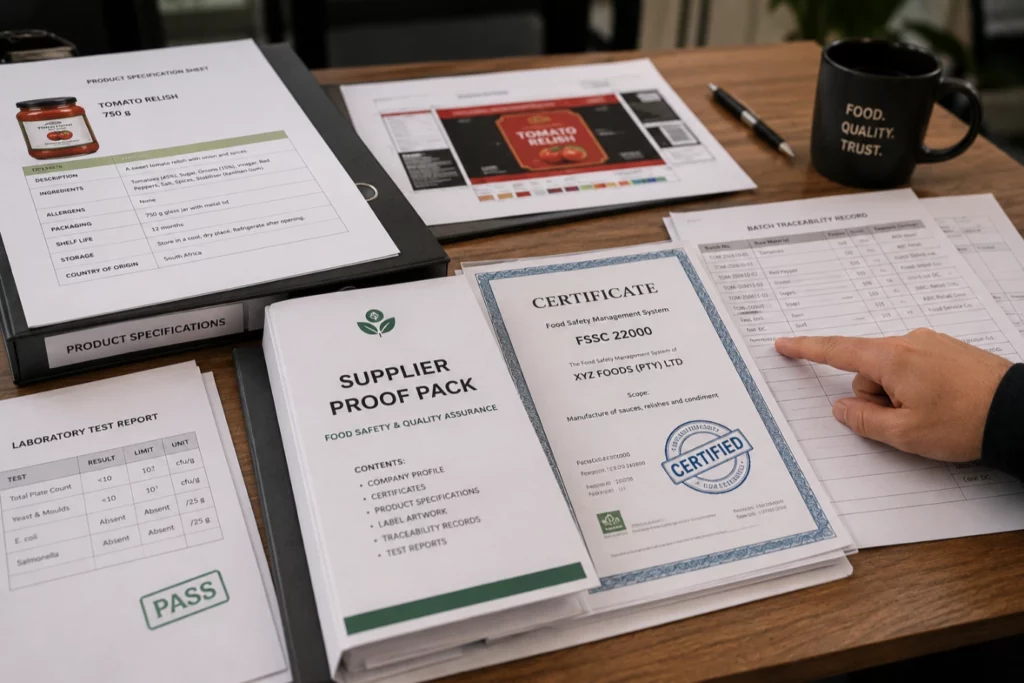
The paperwork pillar is the easiest to fix and the most commonly neglected. Buyers reviewing private label supplier requirements South Africa wide typically request the same bundle in week one: a Certificate of Acceptability for the premises, food safety certification or audit reports, product specifications, label artwork, allergen controls, shelf life validation, and traceability examples. Assemble these into a single proof pack with consistent dates, matching product names, and a clear contact owner for each document.
A complete proof pack does two jobs at once. It answers the buyer’s questions before they are asked, and it demonstrates the operational discipline that private label contracts demand. Suppliers who send documents piecemeal, or whose certificates reference a different site, create doubt that no sales pitch can repair. In a tight race between two similar producers, the tidier proof pack usually wins.
Certifications, COAs, and traceability records
Within the proof pack, three items carry extra weight. Food safety certification scoped to the actual site and product line is often a hard gate for retail private label, with HACCP-aligned systems as the typical minimum. Certificates of Analysis must link to specific batches and sampling plans rather than being generic templates. Traceability records must show that any batch can be traced from ingredient lot to dispatch destination quickly, because the retailer’s name on the pack means the retailer’s recall exposure is on the line.
Private label supplier requirements South Africa: a readiness scorecard
A simple self-assessment keeps preparation honest. Score production capacity out of 30: documented normal and peak volumes, contingency plans for power and labour, and a clear limiting step. Score packaging compliance out of 30: labels checked against current regulations, artwork processes in place, and barcode and product data accuracy. Score paperwork out of 40: complete proof pack, current certifications, batch-linked COAs, and a tested traceability exercise. Anything below 75 means there is homework to do before approaching a buyer, and that homework is far cheaper now than mid-negotiation.
How buyers test readiness during a site visit
The site visit is where private label supplier readiness gets stress-tested in person. Expect a buyer to ask for a live traceability exercise on a recent batch, to compare the certificates on the wall with the documents in the proof pack, and to watch how the team answers questions without the owner stepping in. Buyers also look at housekeeping, allergen segregation, and whether records are filled in as work happens or reconstructed afterwards. A well-prepared site visit turns verification into a formality rather than an interrogation.
Where Food and Beverage Trade South Africa fits in
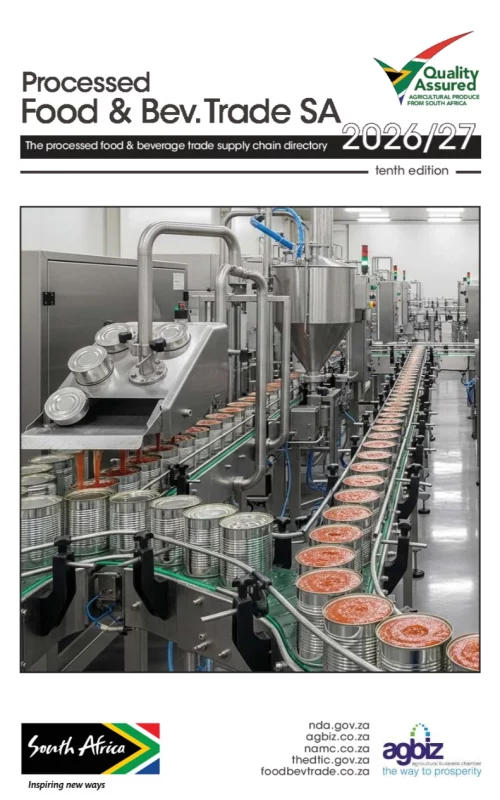
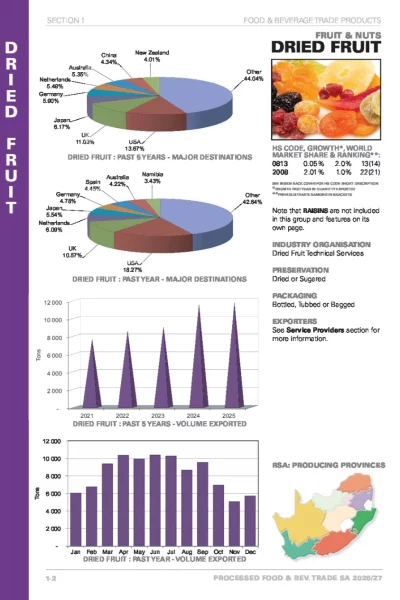
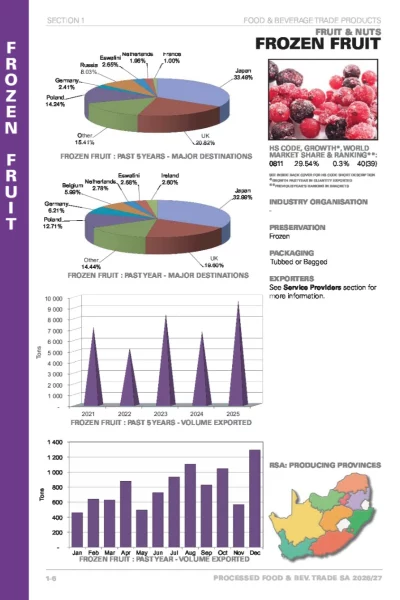
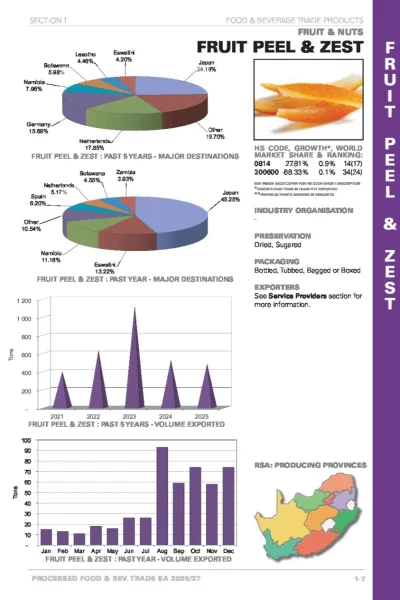
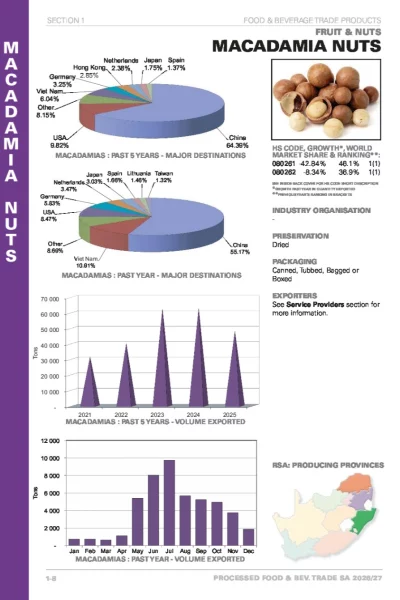
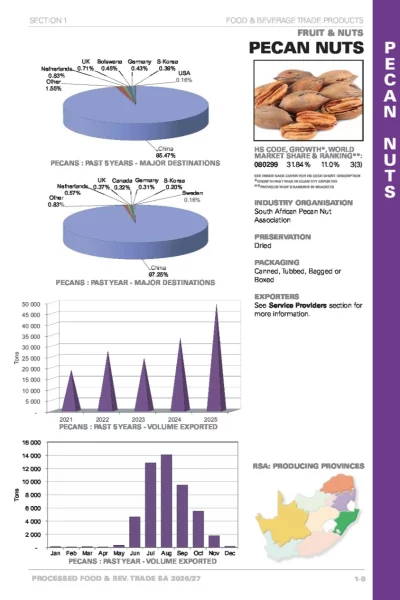
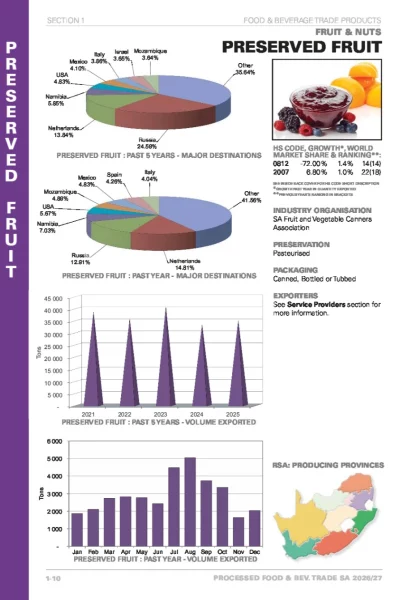
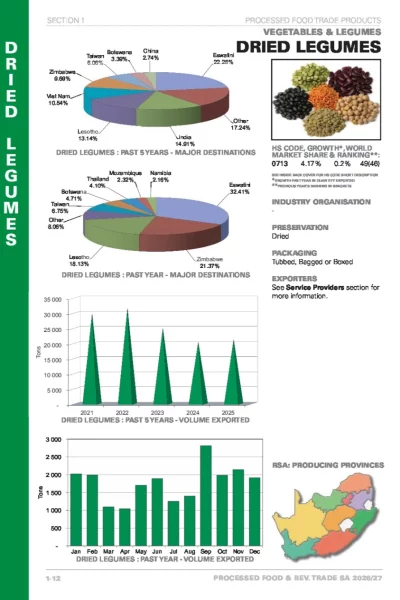
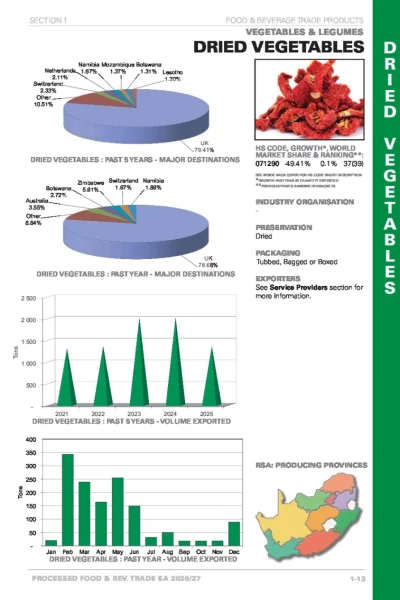
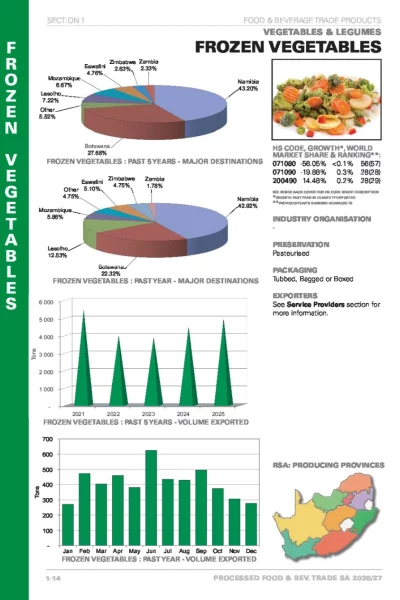
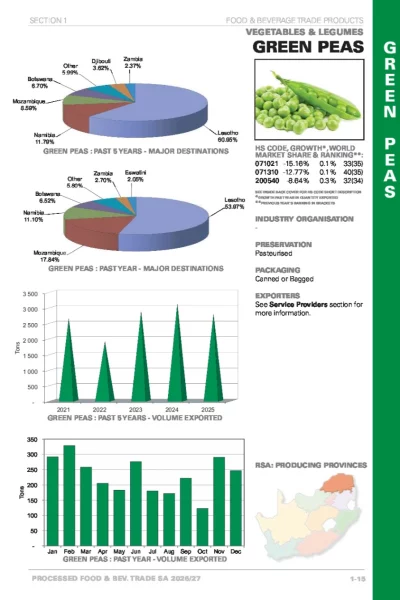
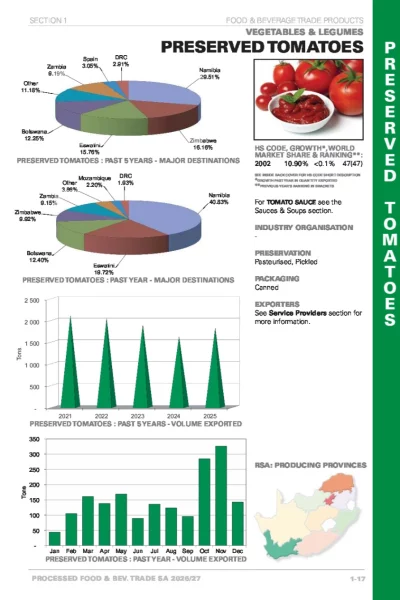
Private label and contract manufacturing opportunities start with being discoverable by the right buyers. The Food Trade Directory South Africa helps procurement teams build credible shortlists, and a complete, well-presented listing puts a trade-ready supplier in front of those teams. For deeper category insight into manufacturers, co-packers, and ingredient suppliers, download the Processed Food & Beverage Trade SA guide and use it to benchmark your readiness against the suppliers buyers are already comparing you with.
Download One of Our Free Food & Beverage Trade Guides. Choose the guide most relevant to your sector and use it to discover suppliers, service providers, trade information, and industry contacts.
Register your Business to be Featured in an Upcoming Publication. If your operation is private label ready, make sure buyers can find the proof.
Conclusion
Private label is a genuine growth engine for South African producers, but it rewards preparation over promise. Private label supplier readiness comes down to three pillars that any SME can build deliberately: production capacity that is stated honestly and protected against local realities, packaging compliance that survives both legal and retailer scrutiny, and a proof pack that answers questions before they are asked. Producers who treat readiness as an ongoing discipline, rather than a scramble triggered by a buyer’s email, walk into negotiations with quiet confidence. Start the audit this week, close the gaps one pillar at a time, and the next Tuesday afternoon email becomes an opportunity instead of a panic.
FAQ
What is private label supplier readiness in simple terms?
It is the ability to prove, with current documents and real numbers, that a business can produce a retailer’s own-brand product reliably, legally, and at the agreed volumes. Readiness covers production capacity, packaging compliance, and paperwork. Buyers assess all three before committing. Enthusiasm without evidence does not score.
Do small producers stand a chance against big manufacturers for private label work?
Yes, particularly in niche, artisanal, and regional categories where agility matters. Buyers often prefer smaller suppliers for specialised lines, provided the basics are controlled. A complete proof pack levels the playing field considerably. Honesty about capacity limits, paired with a scaling plan, builds trust.
Is HACCP certification compulsory for private label contracts in South Africa?
Requirements vary by retailer and risk category, but most retail private label programmes expect at least a HACCP-aligned food safety system with strong records. Higher-risk products and bigger volumes usually demand certified schemes. Confirm the specific buyer’s requirements early. Building toward certification before it is demanded shortens negotiations.
When should a producer use contract manufacturing instead of expanding their own facility?
When the volume gap is larger than current capital allows, or when speed to market matters more than owning the line. Contract manufacturing South Africa partnerships let the recipe owner scale without equipment risk. The co-packer must be vetted with the same rigour a retailer applies to suppliers. Quality ownership and changeover rules must be agreed in writing.
What paperwork do buyers ask for first?
Typically a Certificate of Acceptability, food safety certificates or audit reports, product specifications, label artwork, allergen controls, shelf life validation, and a traceability example. Buyers want documents that match the actual site and product, with current dates. Sending everything once, in one proof pack, speeds up the process. Incomplete files are read as a readiness signal in themselves.
How long does it take to become private label ready?
It depends on the starting point, but a producer with basic compliance in place can often assemble a credible proof pack within one to three months. Certification gaps take longer, sometimes six to twelve months. Capacity and packaging improvements run in parallel. Starting before a buyer asks is the real shortcut.