Introduction
When production capacity becomes the bottleneck, the right manufacturing partner can unlock growth without compromising quality. This co-packer selection checklist South Africa is built for food and beverage suppliers who need a practical way to shortlist options, compare like-for-like quotes, and ask the questions that protect timelines, margins, and brand reputation.
For the broad topic overview and definitions, start with Co-packers and contract manufacturing in South Africa (overview), then return here to pressure-test the shortlist before signing.
Quick map: define the outcome, shortlist properly, verify hygiene and traceability, confirm commercial reality, validate on-site, then lock the contract. That is what a co-packer selection checklist South Africa should do.
Table of Contents
TL;DR: Key Takeaways
- This page is a decision checklist, not an overview. It helps shortlist a co-packer, validate controls, and reduce contract risk before signing.
- Define scope first so quotes are comparable, then verify hygiene, allergen controls, traceability, and release decisions.
- Use R638 as the local baseline for hygiene expectations and transport handling, then align to buyer-driven food safety systems where relevant.
- Most failures come from vague commercials and weak change control, not from price.
Define the outcome before comparing quotes
Most quote comparisons fail because the scope is vague. Before pricing is discussed, define the outcome in writing so every candidate is quoting the same job. If two suppliers are quoting two different scopes, you are not comparing price, you are comparing assumptions.
Keep your outcome statement short but specific. Agree on the product and pack formats, the volume assumptions for the next 6 to 12 months, shelf-life and storage conditions, what is supplied by the brand versus supplied by the manufacturer, and what must be tested and signed off before dispatch. If the job is not clear, even a well-run co-packer selection checklist South Africa will feel messy.
Shortlist criteria that remove the noise
A good shortlist is not about how many factories exist. It is about selecting the few that can reliably produce your category, at your required quality level, within your timelines, while handling allergens and packaging correctly. Aim to narrow to three to five candidates before site visits. Used properly, a co-packer selection checklist South Africa turns uncertainty into a tighter, faster shortlist. Keep notes so decisions are easy to justify.
Use four shortlist filters that are easy to verify early:
- Category fit and process capability for your product type
- Allergen handling and segregation that matches your risk profile
- Capacity and realistic lead times, including peak-season planning
- Packaging compatibility (labels, coding, tamper evidence, case packing)
If the next step is finding candidates, use a structured sourcing path so the shortlist stays consistent: Food directory South Africa: step-by-step listing guide.
Food safety and compliance questions to ask early
Procurement teams and retail-facing buyers are usually less interested in promises and more interested in systems. At minimum, the facility should align to baseline hygiene requirements under South Africa’s R638 general hygiene regulations for food premises and transport.
Many buyer channels also expect a structured food safety management system. If ISO terminology comes up, use ISO 22000 food safety management system requirements as a baseline reference point.
Keep the conversation to a tight set of decision questions. Ask how hygiene is managed against R638, how allergens are controlled (segregation, cleaning validation, label checks), how nonconformances are handled, and how recall readiness is tested. Then request only light evidence at shortlist stage: certification or audit status that matches scope, a high-level hazard analysis or HACCP summary, plus basic cleaning and pest control programme summaries. This keeps the co-packer selection checklist South Africa focused on what can be proven quickly.
If you are building a buyer-ready evidence pack alongside production readiness, connect this step to: Labelling requirements South Africa food.
Quality systems and traceability checks
Quality failures are rarely “bad luck”. They usually come from weak controls around traceability, release decisions, and change management. The aim here is to confirm control under pressure. A strong co-packer selection checklist South Africa always tests traceability and release discipline, because those are hard to retrofit later.
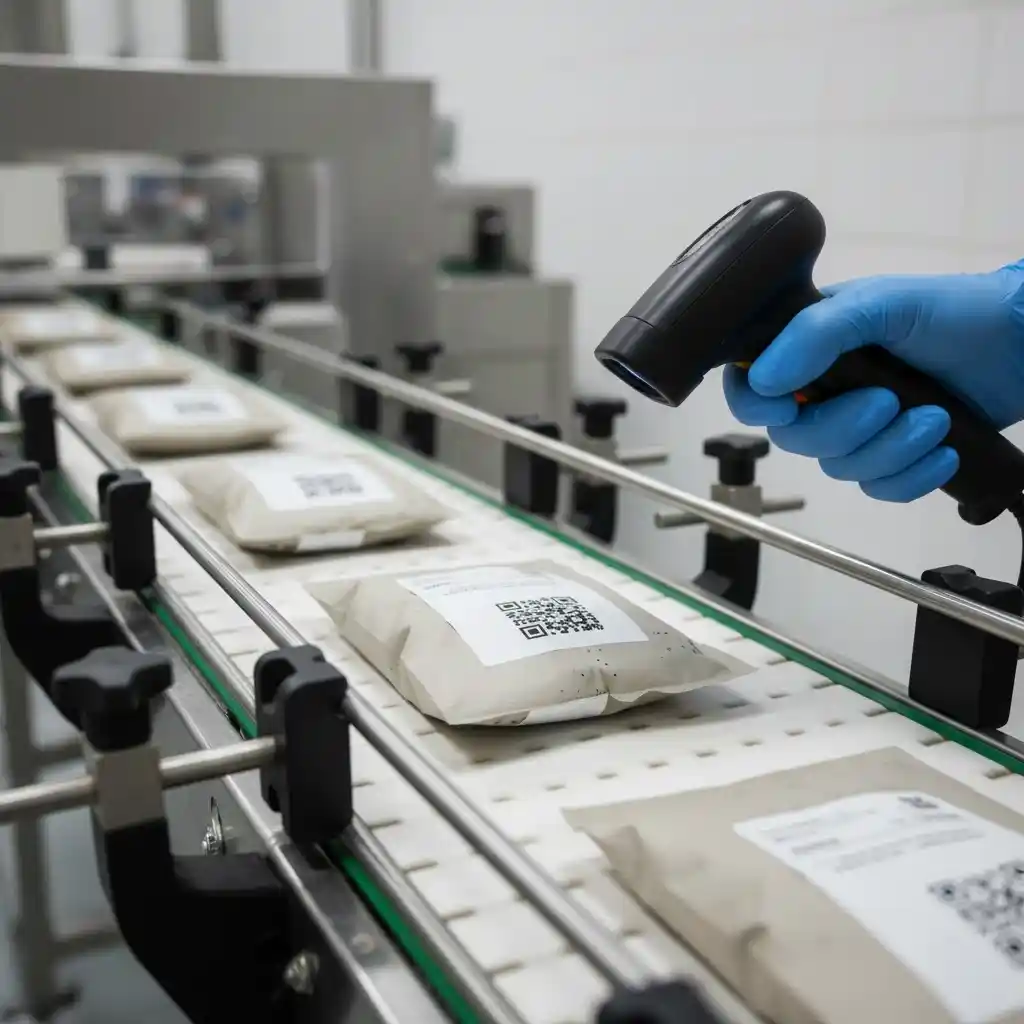
Look for a clear batch coding approach, confidence in traceability across inputs and finished goods, and a documented hold-and-release process with named responsibility. Complaint handling should lead to root-cause fixes, not just refunds.
Commercial and operational terms to lock down
Even strong manufacturing partners can become difficult relationships if commercial terms are vague. This is where many deals fail quietly, because both sides think they agreed, but neither side wrote it down. Use this part of the co-packer selection checklist South Africa to remove ambiguity before the first production run.
Focus on MOQ per SKU, yield and wastage assumptions, what the price includes, storage fees and dispatch rules, lead times and cut-offs for orders and artwork changes, and the change-control process when the recipe, packaging, or suppliers change. If intellectual property matters, state clearly who owns the formulation and how confidentiality is handled.

Site visit checks that prove something
A site visit is not a tour. It is verification of flow, segregation, discipline, and QA authority. If a site visit cannot be done, treat that as a risk signal and increase evidence requirements. In a co-packer selection checklist South Africa, the site visit is where assumptions meet reality.
During the walk-through, verify product flow from raw to finished, allergen and chemical segregation, label and coding controls at line speed, and the discipline of finished goods storage and dispatch. Two red flags are worth stating plainly: unclear QA authority and weak confidence in traceability.
Contract checklist before signing
The contract should reflect operational reality: service levels, quality agreement, change control, access rights, and exit readiness. A contract that only covers price is not a contract that protects the brand. Treat this as the final gate in the co-packer selection checklist South Africa.
Ensure the agreement covers service levels (including communication cadence), release criteria and rejects, recall responsibilities and notification timelines, confidentiality and IP handling, audit rights, and termination plus handover of materials and documentation. If the product is retail-facing, keep label responsibility clear alongside manufacturing responsibilities and reference Labelling requirements South Africa food.
Quick shortlist scorecard (optional)
Score each candidate from 1 to 5 for category fit, capacity realism, food safety maturity, traceability and release controls, commercial clarity, site visit confidence, and communication responsiveness. If a candidate scores two or less on traceability confidence, do not proceed. Use the scorecard to keep your co-packer selection checklist South Africa consistent across candidates.
Conclusion
Choosing a co-packer is not a price exercise, it is a risk decision that affects quality, continuity, and buyer confidence. When the outcome is defined upfront, the shortlist becomes smaller and better, and site visits become verification rather than guesswork. Use this co-packer selection checklist South Africa to pressure-test controls that matter most, including hygiene baselines aligned to South Africa’s R638 requirements and the partner’s ability to prove traceability and release discipline.
For the broad market overview and definitions, use the hub page. For the final decision before signing, use this co-packer selection checklist South Africa, score candidates consistently, and only move to contract once the operational reality matches the promise.
FAQs
What is R638 and why does it matter?
R638 governs general hygiene requirements for food premises and the transport of food in South Africa and is a common baseline reference in compliance discussions. R638 regulations (official PDF).
Is ISO 22000 enough for buyer requirements?
ISO 22000 sets out requirements for a food safety management system and can be certified to. Some channels may require additional schemes depending on buyer and route-to-market requirements. ISO 22000 overview
Who owns the recipe when using co-packers?
Recipe ownership should stay with the brand owner and must be stated in the contract. Confidentiality should cover staff and subcontractors who may access formulations. Controls also matter, such as limiting access to sensitive blends or supplying key inputs directly.
When do shelf‑life studies become non‑negotiable?
Shelf‑life studies are non‑negotiable when buyers require evidence, distribution conditions are harsh, or the product is sensitive to separation or microbial risk. They also matter when changing packaging, process, or preservatives. Treat them as part of launch planning, not a last‑minute tick‑box.
What documents do buyers typically expect from a co‑packer setup?
Buyers typically expect batch coding, batch manufacturing records, finished product release checks, and traceability documentation. Many also ask for evidence of cleaning and allergen controls. The theme is always the same: prove control and consistency.
Is private‑label manufacturing harder than making a branded product?
It can be harder because retailers often require tighter documentation, faster changeovers across multiple SKUs, and stricter label control. The operational rhythm becomes more demanding, even if the product itself is simple. Clear specs, change control, and packaging discipline become critical. A co-packer that handles private‑label manufacturing regularly is usually a safer bet.