Introduction: From Hidden Gem To Trade Ready Brand
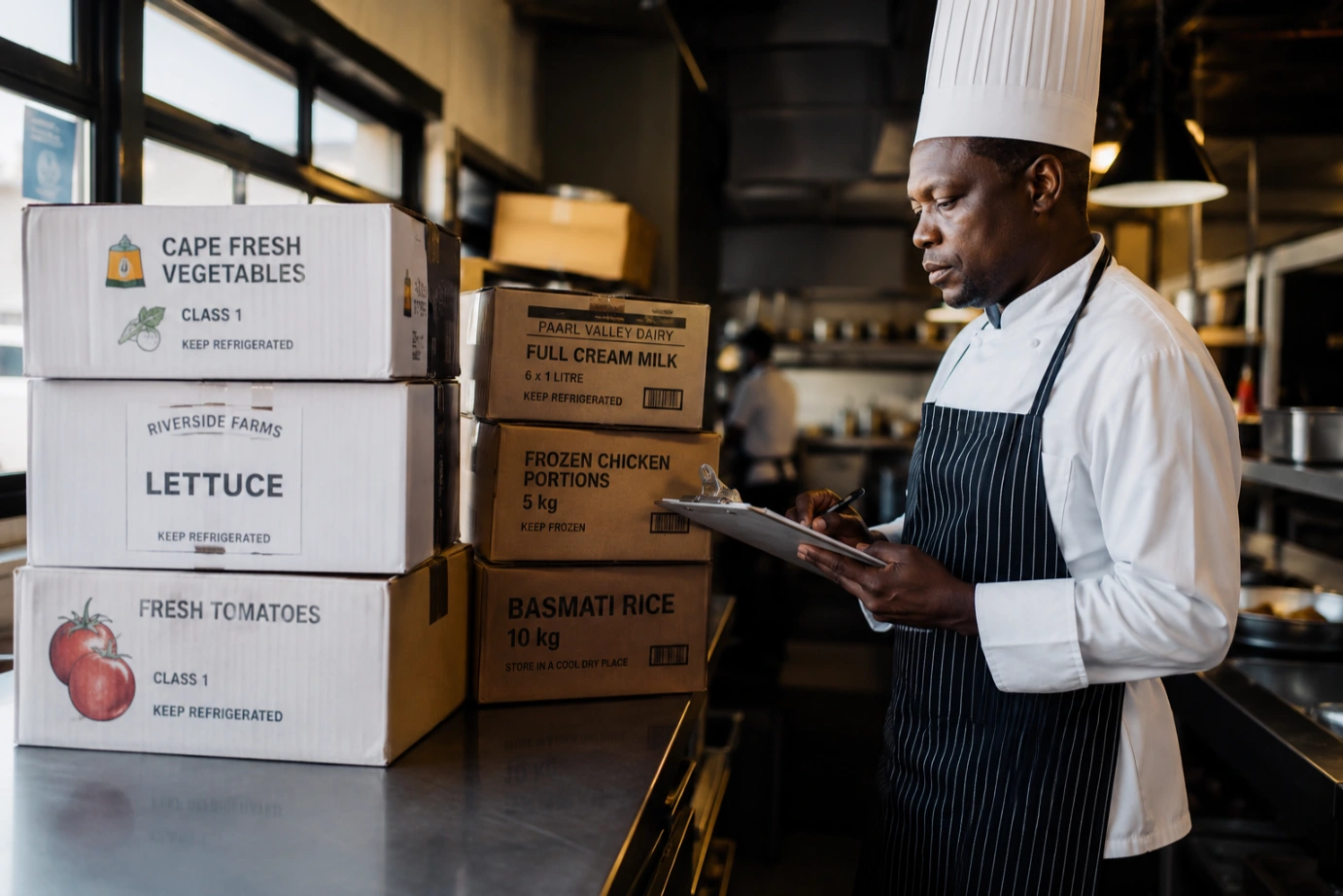
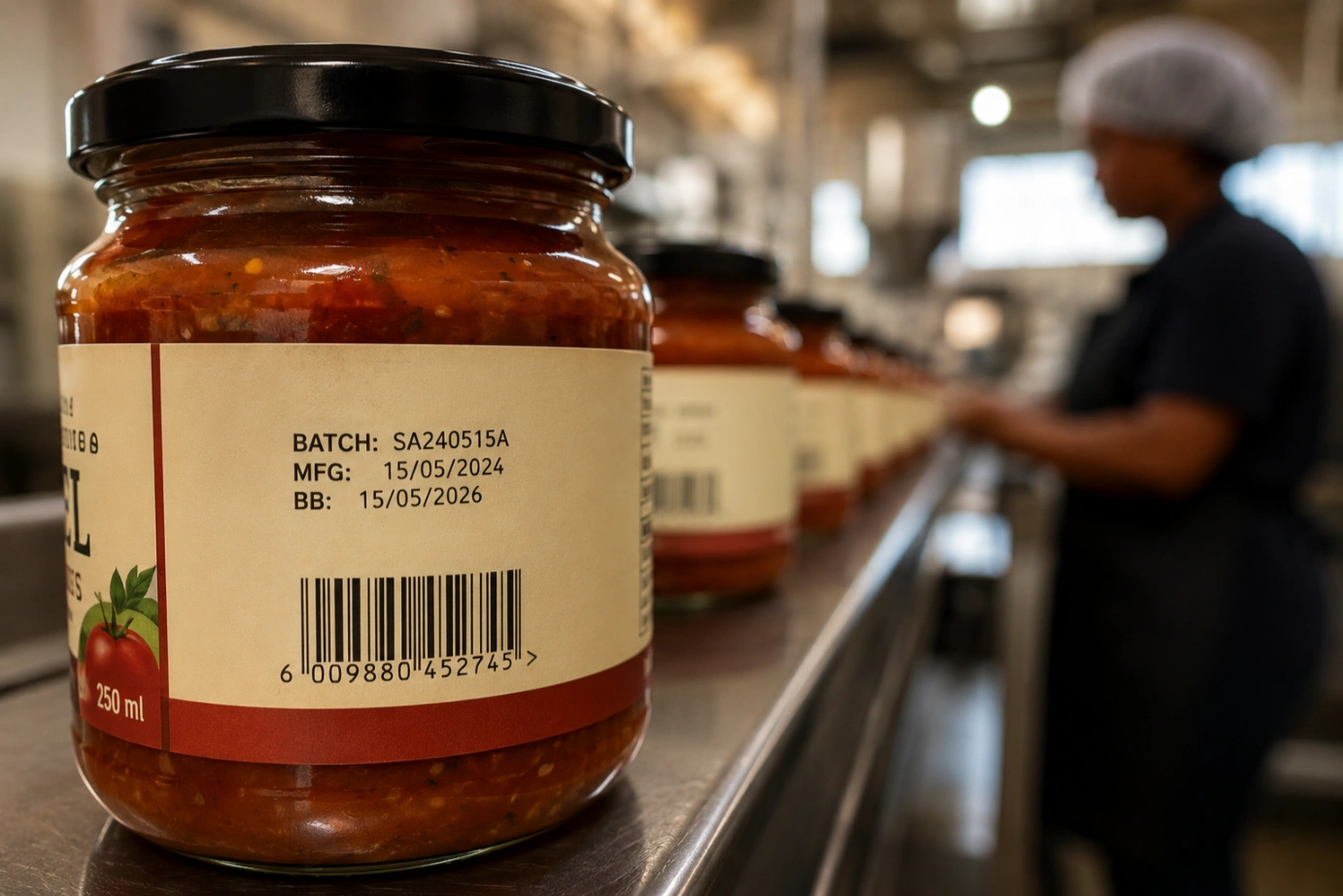
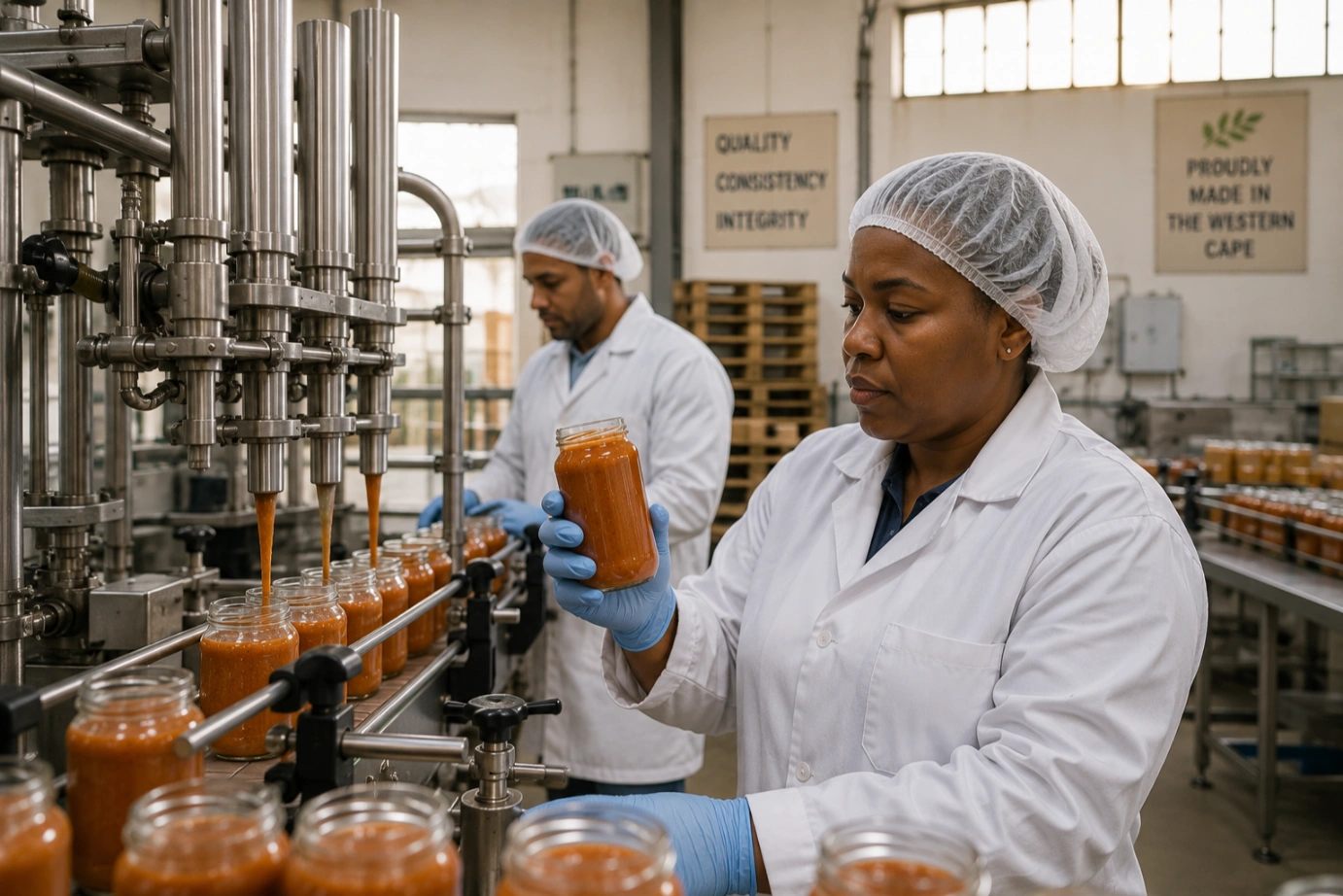
Just after sunrise in the Stellenbosch winelands, the valley is quiet except for the soft hum of refrigeration units and distant delivery trucks on the N1. Inside a small production kitchen, pots are already bubbling as a batch of artisanal sauces begins to take shape, carefully bottled and labelled for another busy week. The owner, a seasoned food entrepreneur, glances from the simmering pots to a clipboard filled with orders, cold chain checks, and delivery routes stretching from the Western Cape to Gauteng. The products tell a powerful story of local flavour, but the daily question remains the same: how can more of the right buyers discover this business without burning out the team?
Across South Africa, thousands of food and beverage SMEs are in the same position, juggling production, compliance, staffing, transport, and customer service before breakfast. Many know that digital visibility matters, yet late nights and load shedding push website upgrades and marketing experiments to the bottom of the list. For owner managers like Thabo, the idea of adding “learn SEO” or “build a full e-commerce site” feels like climbing Table Mountain in flip-flops. A focused food directory South Africa can quietly shift this reality by putting credible supplier information in front of buyers, distributors, and logistics partners who are actively searching.
In an economy where small and medium enterprises make up around 91% of formal businesses and contribute roughly a third of GDP, standing out is not a nice-to-have; it is survival. With internet access reaching more than three-quarters of the population, and mobile phones now the dominant way South Africans go online, procurement teams and trade professionals are turning to specialist platforms to find suppliers. Placing a business inside the right F&B trade directory connects that hard-earned product quality with the buyers, transport partners and retailers who can turn it into sustainable growth.
Table of Contents:
TL;DR: Key Takeaways
- A strong listing in a specialist food directory South Africa brings together product details, certifications, logistics coverage, and contact information in one credible place, which reduces friction for procurement teams.
- Start by getting compliance and logistics basics in order, then decide where the company sits in the value chain and gather the right content. After that, it is a matter of choosing a credible F&B trade directory, creating a clear, keyword-friendly profile, and keeping it updated as the business grows.
- A directory profile is not a digital business card that gets forgotten after sign-up, it is a living sales and logistics asset.
What Exactly Is A Food Directory In South Africa
At its core, a food directory is a structured catalogue of companies across the food and beverage value chain, created so that buyers and suppliers can find each other quickly. Where generic search results throw up a mix of advertising and unrelated content, a focused F&B trade directory is curated for trade professionals who need clear answers fast.
Categories typically include primary producers, processors, manufacturers, distributors, wholesalers, exporters, and specialist service providers such as cold storage, packaging, and quality labs. This structure makes it much easier for a buyer in Gauteng to shortlist Western Cape sauce producers with reliable logistics partners than it would be on a general search engine.
In South Africa, Food & Bev Trade hosts a family of three annual guides that function as a connected food directory ecosystem. Fresh Food Trade SA focuses on the fresh produce and cold chain side of the industry, Processed Food & Beverage Trade SA maps the processed food and beverage supply chain, and Wines & Wineries of SA serves both trade and tourism for the wine sector.
These guides combine company listings with market statistics, export trends, and logistics information so that decision makers can see the bigger picture. Together, they act as a trade map that helps both new and established businesses understand where they fit in and who they should be talking to.
For SMEs, the most important feature of a specialist food directory South Africa is curation. Inclusion signals that a business operates in the right categories and takes compliance and quality seriously. For time strapped owner managers, it also means that a single, well maintained profile can work across multiple channels, from buyers browsing eBooks to AI search systems recommending suppliers that match specific criteria.
Why Listing Your Business Is A Strategic Move For SMEs
South African SMEs carry a big share of the economic load, providing about 60% of employment and roughly 34% of GDP, even though individual businesses often feel invisible. At the same time, research shows that nearly all consumers now research products and services online before making a purchase, and the same behaviour is increasingly visible in B2B trade. When someone in a supermarket, buying office, hotel group or export agency needs a new supplier, the first instinct is no longer to flip through a physical filing cabinet; it is to search online.
A solid listing in a food directory South Africa positions an SME where that search actually happens. Instead of relying on chance referrals or expensive trade shows, a business can be discovered when a buyer filters for region, category, or certification on a trusted trade platform.
This is particularly powerful for companies outside the main metros, where transport and logistics costs can make in-person networking difficult. A directory helps bridge that distance by putting key information about delivery coverage, pallet volumes, and lead times directly in front of logistics planners.
For owner-managers facing ongoing pressures on energy, fuel, and labour costs, any marketing asset must pull its weight. A well-built directory listing contributes on several fronts at once: it supports sales by improving discoverability, it supports logistics by clarifying how and where the business can deliver, and it supports compliance by highlighting certifications and regulatory alignment.
Once the profile is live, it continues to work quietly in the background every time someone searches “list my food business partner”, “F&B trade directory for sauces” or “find suppliers online for private label products”.
Step 1: Get The Foundations Right Before You List
Before touching any online form, it pays to tidy up the basics that every serious buyer expects. Company registration details, tax numbers, food safety certifications, and product specifications should all be easy to access, whether they sit in a cloud folder or a well-organised filing cabinet.
For many SMEs in the food sector, this might include documents such as HACCP plans, inspection reports, lab test results, or supplier declarations. Having these ready does not just make directory listing easier; it also shortens the time between an initial enquiry and a signed supply agreement.
Logistics readiness belongs in the same foundational bucket. Trade buyers and distributors want to know where products are produced, how they are stored, what the minimum order quantity is, and which regions the business can service reliably.
A small producer with one refrigerated vehicle and a courier contract will give different answers to a larger processor working with multiple third party logistics providers. Before listing in a food directory South Africa, it helps to map out this information clearly, including lead times, pallet configurations, and any special handling requirements.
Once this groundwork is done, filling in the fields of an F&B trade directory profile becomes significantly less stressful. Instead of guessing on the spot or leaving sections blank, the owner can refer to a simple internal document that spells out the operational reality of the business.
That same document can also be used by staff members who respond to enquiries, keeping messaging consistent even when the owner is away from their phone. For someone like Thabo, this can turn a chaotic Friday afternoon into a manageable admin task that supports long-term growth.
Step 2: Decide Where You Sit In The Food Supply Chain
The food and beverage sector is built on interlocking roles that span farms, factories, warehouses, transport corridors, and retail shelves. Knowing exactly where a business sits in this system makes it much easier to create a focused directory listing.
A company that converts fresh produce into shelf-stable sauces serves a different need to a bulk ingredient importer, even if both operate in the same province. Similarly, a cold chain specialist that consolidates loads from multiple SMEs plays a very specific supporting role for buyers who are trying to manage transport risk.
When preparing to list in a food directory South Africa, it helps to answer a few simple questions. Is this business primarily a producer, manufacturer, distributor, wholesaler, exporter, or service provider? Which types of customers provide most of the revenue: independent retailers, food service operators, national chains, or export agents?
In which regions can orders be fulfilled consistently, and which areas are only viable at larger volumes? Clear answers to these questions help align the listing with the search filters that buyers actually use when they want to find suppliers online.
Specialist platforms like Food & Bev Trade structure their directories specifically around these roles, with categories for fresh food suppliers, processed food manufacturers, logistics partners, and wine producers across South Africa. When an SME chooses the right categories and describes its role clearly, the listing is far more likely to appear in front of the right decision makers.
For a producer like Thabo, being found in the “sauce and condiment manufacturers with national distribution” section of an F&B trade directory is worth far more than a generic business listing that lumps every industry together.
Step 3: Gather The Right Information For Your Listing
Once the foundations and positioning are clear, it is time to gather the content needed to list my food business properly. At a minimum, a strong profile in a food directory South Africa will include a concise business description, a list of product ranges, certifications and accreditations, key logistics information, and multiple ways to make contact.
The description should explain what the business does, who it serves, and what makes it different, all in language that trade professionals understand. Jargon is less useful than practical details such as “shelf stable for 12 months”, “ambient storage,” or “frozen distribution available nationwide through preferred partners”.
Certifications and compliance details should be listed in full, including any GFSI-aligned schemes like FSSC 22000, halal or kosher approvals, retailer audits, or export registrations. Buyers and logistics partners rely on this information to assess risk, and a directory profile is an efficient place to present it once rather than repeating the same information in every email. Including this detail inside an F&B trade directory also signals professionalism to AI search systems that are trained to understand industry terminology and regulatory anchors.
Visual assets are just as important as text. Clear product photos, facility images, and, where appropriate, a short video clip of the production line help potential partners get a sense of scale and quality. Contact details should include a landline, mobile number, email address, and website if available, as well as a WhatsApp number for quicker communication.
For SMEs where the owner relies heavily on a smartphone, ensuring that all these channels are monitored during business hours builds trust and prevents lost opportunities. Having this complete package ready makes the actual act of listing feel like the final step in a well-prepared process rather than an intimidating hurdle.
Step 4: Choose The Right Food Directory South Africa
Not all directories are created equal. Generic business listings try to cover every sector, from plumbers to printers, which can dilute the relevance of any single listing. By contrast, a specialist F&B trade directory is built specifically around the food and beverage supply chain, with categories, filters, and editorial content tuned for that audience.
Industry bodies and chambers of commerce highlight that listing your business in appropriate online directories increases the chances of being discovered by people who are actively looking for services like yours, especially when those platforms are trusted in the local context.
For South African food businesses, a layered approach usually works best. A presence in select local business directories can support general visibility, while niche platforms carry the weight for serious trade enquiries. Food & Bev Trade’s trio of guides is designed exactly for this, with Fresh Food Trade SA serving the fresh produce and cold chain sector, Processed Food & Beverage Trade SA supporting manufacturers and brand owners, and Wines & Wineries of SA connecting cellars with both trade buyers and visitors.
Each guide is available as a downloadable eBook from the Food & Bev Trade website, where professionals can also register their businesses to be featured in upcoming editions.
For someone like Thabo, that means a single registration process can place the business inside a recognised food directory South Africa that is used by procurement teams, distributors, and export agents across the country. That kind of focused visibility is difficult to replicate with a small advertising budget or a handful of social posts.
Step 5: Create A Listing Optimised For Search And AI
Once the platform is chosen, attention shifts to how the listing is written. Search engines and AI tools increasingly act as gatekeepers, interpreting directory content and answering questions like “find suppliers online for bulk sauces in Cape Town” or “list my food business in a South African trade directory”.
Local SEO specialists note that optimising online presence for local search helps smaller businesses drive more foot traffic and compete with larger brands. A directory listing is part of that local SEO footprint, so it pays to be deliberate.
The description should use the focus keyword food directory South Africa naturally, along with related phrases such as F&B trade directory, list my food business and find suppliers online. Instead of stuffing keywords, the goal is to answer the questions a buyer or AI system would ask: what does this business make, who is it for, where can it deliver, and how quickly.
Including geographic markers like province or key cities, along with industry terms such as “ambient shelf stable”, “frozen distribution”, or “private label capable”, helps search tools match the listing to relevant queries.
Technical details matter too. Where the platform allows, businesses should complete structured fields such as categories, regions served, certifications, and export markets in full. These fields often feed into schema markup and internal search filters, which AI tools can read even when human visitors cannot see the underlying code.
A consistent NAP (name, address, phone) profile across the directory, website, and any other listings also helps avoid confusion. Once the profile is live, testing some typical searches on major engines and AI tools can show whether the food directory South Africa listing is being surfaced as expected or needs refinement.
Step 6: Use Your Directory Profile To Support Logistics And Sales
A directory listing only reaches its full value when it is woven into everyday sales and logistics activity. Whenever new buyers request information, linking to the F&B trade directory profile gives them a neutral, third-party view of the business with all the key details in one place.
This can accelerate supplier onboarding processes, as technical and procurement teams are able to verify certifications, capacity, and distribution coverage before deeper negotiations. For existing clients, referencing the listing in newsletters or WhatsApp updates reinforces the message that the business is recognised in a broader trade context.
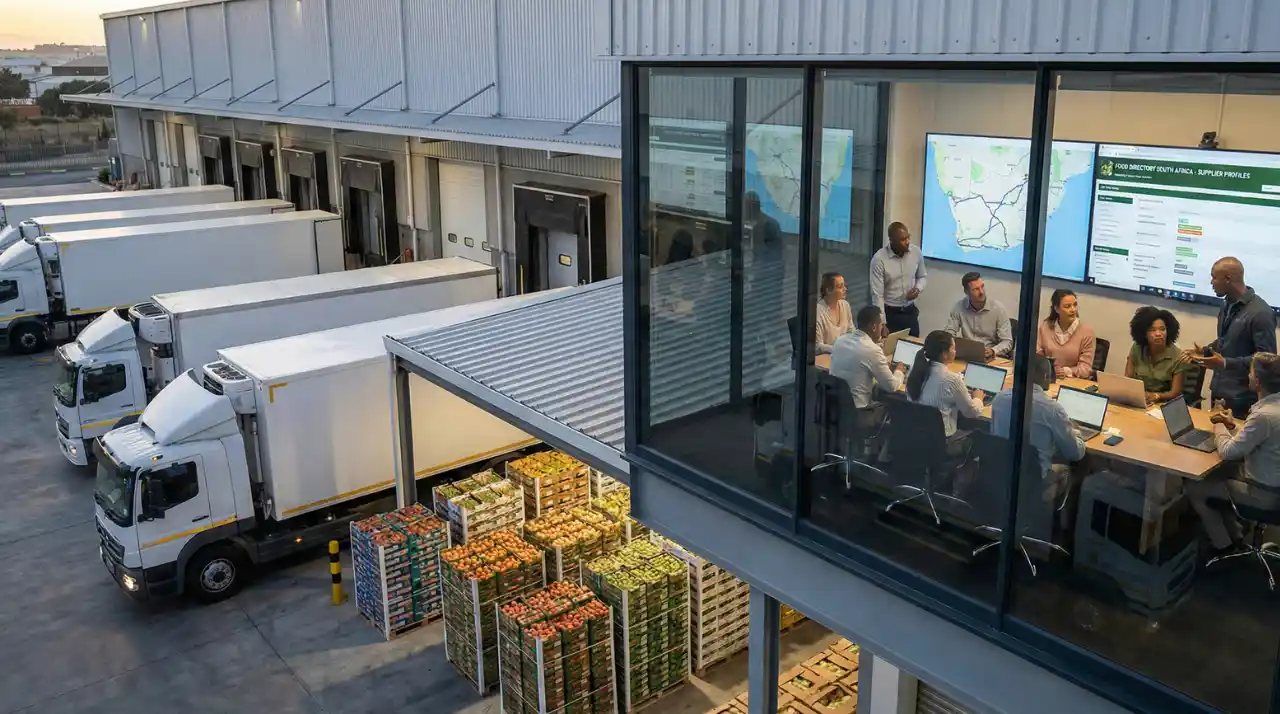
On the logistics side, transport partners and cold storage providers can also benefit from seeing the directory profile. Knowing the typical product range, packaging formats, and volumes helps them design more efficient routes, consolidate loads, and plan storage allocation.
When a logistics provider understands that a producer already appears in a recognised food directory South Africa, there is often more confidence that volumes will be sustained and that compliance standards will be met. This can lead to more favourable terms or priority access to limited capacity during peak seasons.
Internally, the directory listing becomes a useful training tool for new staff who join the sales or customer service functions. Instead of piecing together information from scattered files, they can start with the concise, trade-focused overview presented on the Food & Bev Trade platform.
Over time, this shared reference point helps align messaging across email, phone calls, and in-person meetings, which in turn builds a more consistent brand in the eyes of buyers.
Step 7: Keep Your Listing Updated And Use The Data
Markets change, and so do businesses. New SKUs are launched, certifications are added, distribution footprints expand, and sometimes product lines are retired. A directory listing that is not updated quickly loses credibility, especially in a fast-moving sector like food and beverage.
Building a simple habit of reviewing the profile every quarter helps keep product descriptions, certifications, pack sizes, and logistics information aligned with reality. It also provides a natural reminder to refresh images so that visual content matches current branding.
Where the platform provides analytics, those insights should feed into marketing and sales decisions. Tracking how many visitors view the listing, which categories they use, and how often they click through to the website or email address can highlight where interest is strongest.
If many visitors find the profile while searching for “find suppliers online for sauces”, for example, that might justify deeper investment in that range or region. If certain categories underperform, it may be worth rewriting the description or refining keywords so that the listing competes more effectively inside the food directory South Africa environment.
Even simple manual tracking can make a difference. Adding a question to enquiry forms that asks “How did you hear about us” with “Food & Bev Trade directory” as an option helps quantify impact over time. When the owner can show that a specific F&B trade directory contributes a measurable share of new business, it becomes much easier to justify the time spent maintaining and improving the listing.
For entrepreneurs like Thabo, this turns a one-off admin task into a repeatable growth lever. Common Mistakes SMEs Make With Directory Listings
Many South African SMEs rush through directory forms at the end of a long day and accidentally undermine their own visibility. One common mistake is leaving critical fields blank, especially around logistics coverage, lead times, and certifications, which are exactly the details buyers need to make decisions.
Another is copying a consumer-facing marketing slogan into the description instead of a clear, trade-focused explanation, which can confuse procurement teams looking for precise information. Some businesses also forget to update contact details when staff change, leading to missed calls and unanswered emails that never show up on the balance sheet.
Another pitfall is treating the directory listing as completely separate from the broader digital strategy. When keywords, tone, and product naming differ wildly between the website, social profiles, and F&B trade directory listing, AI search tools struggle to join the dots.
This can reduce the chances that the business is recommended when someone asks an assistant to “find suppliers online for South African sauces” or “suggest a food directory South Africa for export-ready producers”. Small gaps like outdated images, broken links or inconsistent branding can also raise questions about whether the operation is still active.
Fortunately, these issues are easy to fix with a bit of focused attention. Setting aside one afternoon to review and rewrite the listing, align it with current branding, and test a few search queries pays off for months afterwards.
For a time poor owner manager, this kind of once a quarter tune up is far more realistic than constant social media posting or complex advertising campaigns. In a country where SMME failure rates are stubbornly high, simple steps that build credibility and discoverability are worth prioritising.
How Food & Bev Trade Helps You List, Connect And Grow
Food & Bev Trade exists precisely for entrepreneurs like Thabo who need reliable trade connections, not marketing jargon. Through its annual publications and online platform, it brings together producers, processors, distributors, logistics providers, and service firms into a single, navigable ecosystem.
The Fresh Food Trade SA and Processed Food & Beverage Trade SA guides act as structured maps of the national supply chain, while Wines & Wineries of SA highlights one of the country’s most celebrated export categories.
Each guide is available as a downloadable eBook, and businesses can register online to be featured in upcoming editions. These listings appear alongside market insights, trend analysis, and export data, positioning featured companies in front of serious decision makers rather than casual browsers.
For SMEs that want to list my food business without building an entire marketing department, this kind of curated exposure is both practical and cost-effective.
By featuring in a recognised food directory South Africa, an SME signals to buyers that it takes compliance, quality, and logistics seriously. The platform’s role as a bridge between government departments, industry bodies, and private sector players further strengthens that signal, helping smaller businesses stand shoulder to shoulder with larger competitors.
For Thabo and many others, registering with Food & Bev Trade is less about chasing hype and more about making a calm, strategic move towards dependable trade relationships.
Conclusion: From Early Mornings To Sustainable Momentum
The story that starts in a quiet pre dawn kitchen does not have to end in constant firefighting. With the right support structures, a business built on authentic South African flavours can secure steady orders, reliable distribution, and room to invest in new ideas. Listing in a specialist food directory South Africa does not replace hard work in production, compliance, and logistics, but it does ensure that this work is visible to the buyers and partners who need it most.
For entrepreneurs like Thabo, the shift from “hoping the right person finds the website one day” to “being discoverable in a respected F&B trade directory” can be profound. It shortens the path between product development and purchase order, and between a local delivery route and a national footprint. In a market where every rand must be carefully managed, that kind of leverage matters.
The practical next step is simple. Gather the information described in this guide, visit Food & Bev Trade online, download the relevant eBook, and follow the prompts to register. By taking an afternoon to list my food business in a focused, trade-ready directory, an owner-manager can turn years of quiet effort into a visible, credible presence in the South African food supply chain.
FAQ
Is listing in a food directory South Africa only useful for large manufacturers
No. A specialist F&B trade directory is designed for businesses of all sizes, including micro and small producers. Procurement teams, distributors and logistics partners increasingly look to directories to find niche suppliers who can solve specific problems in their value chains. For a smaller business, a strong listing is often the most cost effective way to stand alongside bigger brands without matching their advertising budgets.
How much information should I share about pricing in my directory listing
Most trade directories do not require exact price lists, and it is usually better to avoid publishing detailed pricing that can change with input costs and volumes. Instead, focus on explaining your product ranges, pack sizes, minimum order quantities and typical lead times. This gives buyers enough information to decide whether to open a conversation, while keeping sensitive commercial details inside direct negotiations.
What if my business does not have national distribution yet
A business does not need national coverage before it can benefit from listing in a food directory South Africa. Many buyers and logistics partners look for regional specialists who can serve specific provinces reliably. Be honest about current distribution reach and use the listing to attract partners who can help you grow into new regions over time. Clarity often creates more opportunities than vague promises of “nationwide delivery”.
How does a directory listing help with export opportunities
Export agents, foreign buyers and trade promotion agencies all use curated information sources to discover new suppliers. Being present in an F&B trade directory that already includes export related statistics and market insights signals that your business understands trade dynamics. When combined with export ready certifications and clear logistics information, this makes it easier for overseas partners to assess whether you fit their requirements.
Do I still need a website if I have a strong directory listing
A good directory listing and a simple, well structured website work best together. The food directory South Africa profile helps new buyers discover the business and gain a high level overview, while the website can provide deeper technical documents, product catalogues and case studies. For time strapped SMEs, starting with the directory profile and then building a lean, mobile friendly website is often the most realistic sequence.
How often should I update my F&B trade directory listing
As a rule of thumb, review and update your listing at least once every quarter, or immediately after any major change in product range, certifications or distribution coverage. This keeps your profile aligned with reality and prevents confusion for buyers and logistics partners. If the platform offers analytics, use those insights to guide which parts of the listing deserve extra attention during each review.
Can service providers like cold storage and logistics companies also list
Yes. A robust food directory South Africa includes not only producers and manufacturers, but also the service providers that keep the supply chain moving. Cold storage operators, transport companies, packaging specialists and quality labs all play vital roles. When these businesses list alongside producers and buyers, it becomes much easier for SMEs to build integrated solutions for sourcing, production and distributi