Introduction
It is barely light over the Cape winelands when a small-batch sauce and marinade producer checks a phone screen for the third time before six. A regional retail buyer has asked for “the full spec” ahead of a listing meeting on Friday, and whatever goes back in that email will decide whether the range gets a shelf slot or another six months on a waiting list. This is the moment a product spec sheet either saves the day or costs it. For South African food and beverage SMEs, a clear, one-page product spec sheet is often the difference between a buyer who moves fast and a buyer who quietly moves on to the next supplier in the inbox.
Category buyers across retail, foodservice and export are working through dozens of supplier conversations in any given week. A supplier who can hand over accurate specifications, in a format the buyer already recognises, gets prioritised over one who promises to send more detail soon. This guide sets out what a product spec sheet must contain, how it differs from a request for quotation template food buyers send back, and how South African suppliers can use both documents to speed up sign-off.
Table of Contents:
TL;DR: Key Takeaways
- A product spec sheet is a one-page reference a buyer can approve without a follow-up call.
- It must match the label, the traceability records and the actual production line, not an aspirational version of the product.
- A request for quotation template food buyers send back only works once the spec sheet answers the basics first.
- Use a buyer requirements checklist FMCG teams already run internally, so nothing gets missed on the first pass.
- Keep the format to one page. Buyers skim; they do not read appendices before a first meeting.
Why Buyers Stall Without a Product Spec Sheet
Category buyers in South Africa carry a heavy caseload of suppliers competing for a handful of open listing slots each quarter. When a spec request goes unanswered or arrives incomplete, the buyer does not chase it for long. Instead, the file moves down the pile while a competitor’s paperwork moves up. A missing product spec sheet is rarely read as an oversight; it is read as a signal about how the whole relationship might run.
The Real Cost of “We’ll Send Info Later”
A vague reply costs more than a delayed listing. Buyers use the spec sheet to plan shelf space, forecast volumes and brief their own quality teams, so a gap in that document becomes a gap in their planning too. Suppliers who send a scattered mix of emails, photos and verbal promises instead of one clean document often get quietly deprioritised, even when the product itself is strong. A tidy product spec sheet removes that friction before it starts.

What a Product Spec Sheet Actually Needs to Cover
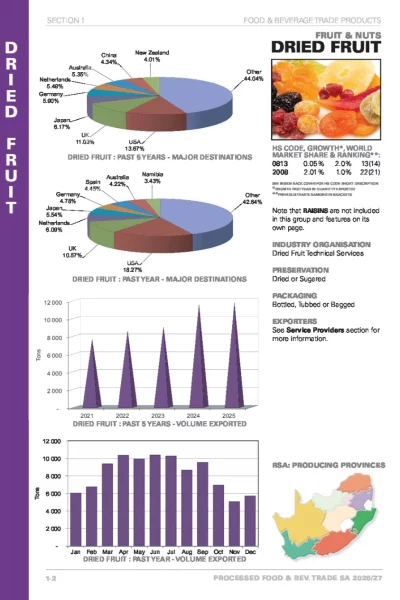
A usable product spec sheet is not a marketing brochure, and it is not a full technical dossier either. It sits in between: enough detail for a buyer to make a shortlisting decision, without so much detail that the document becomes a chore to read. Most South African retail and foodservice buyers expect the same core fields regardless of category, from pack format through to shelf life and country of origin.
The Non-Negotiables: Quantities, Tolerances and Compliance
Every spec sheet should state minimum order quantities, case configurations, net weight tolerances and the certifications the product currently holds, not the ones planned for next year. Buyers cross-check this information against their own food labelling requirements South Africa obligations, since a spec sheet that does not match the label wording is one of the fastest ways to trigger a rework request. Food premises handling these products also carry hygiene and record-keeping duties under South African regulation; the Department of Health’s general hygiene requirements for food premises require that processing and distribution records be kept for a set period after a product’s shelf life ends, which is worth reflecting in the spec sheet’s shelf-life and storage fields. Getting these fields right the first time avoids the back-and-forth that slows down a listing decision by weeks rather than days.
Where Traceability Fits Into the Spec
Traceability is not a separate conversation from the spec sheet; it is a line item on it. Buyers increasingly ask how a batch can be traced from raw material through to dispatch, particularly for private label and export-bound lines. A spec sheet that references batch coding, a warehouse compliance checklist and a documented recall procedure signals that the traceability question has already been answered before it is asked. South African product identification also benefits from consistent barcoding and shared product data; GS1 South Africa’s food services standards describe how nutritional information and allergen data move between suppliers and retailers through shared data systems, which is the same information a spec sheet should already contain in a simpler, buyer-ready form.

Product Spec Sheet vs Request for Quotation: Getting the Sequence Right
A product spec sheet and a request for quotation template food buyers send back are two different documents doing two different jobs. The spec sheet answers what the product is, exactly, in a format a buyer can file and compare against other suppliers. The RFQ response then answers what it costs, at what volumes, with what lead times, once the buyer already knows the product meets the basic requirements. Suppliers who send pricing before the spec is settled often find themselves re-quoting later, once the buyer’s real requirements become clear.
How to Write a Food Product Spec Sheet for Buyers
Building the first version does not need specialist software or a design agency. A single page, built once and updated as the product changes, will outlast most fancier formats because it actually gets used. The structure below reflects what South African retail, foodservice and export buyers most often ask for in the first email of a new supplier conversation.
A Simple One-Page Format That Works
- Product name, variant and pack size, matched exactly to the label.
- Net weight or volume, with tolerance range.
- Ingredient declaration and allergen statement.
- Shelf life, storage conditions and batch coding method.
- Minimum order quantity and standard case configuration.
- Current certifications, for example HACCP, a Certificate of Acceptability, or an export permit where relevant.
- Country of origin and, where applicable, local content details.
- Contact details for the person who can answer follow-up questions the same day.
Building a Buyer Requirements Checklist FMCG Suppliers Can Reuse
Once one spec sheet exists, turning it into a repeatable buyer requirements checklist FMCG teams can apply across a whole product range takes very little extra effort. The same fields simply get reused for every SKU, which keeps a growing range consistent and audit-ready. Wine suppliers already do a version of this well: a buyer-ready wine supplier information pack built around specs, vintage notes and logistics details lets a winery answer buyer questions once instead of per email thread. The same logic applies to sauces, snacks, beverages or any packaged product moving through South African retail or export channels.
Common Mistakes That Slow Down Sign-Off
The most common mistake is treating the spec sheet as a one-off task completed at launch and never revisited. Formulations change, suppliers switch packaging, and shelf-life testing gets updated, but the spec sheet often does not follow. A second common mistake is inconsistency between the spec sheet, the label and the actual product on the shelf, which buyers pick up quickly during a site visit or sample check. A third is cramming too much into the document, turning a one-page reference into a multi-page report that nobody reads before the first meeting.
Turning a Spec Sheet Into a Faster Yes
A complete, accurate product spec sheet shifts the buyer conversation from information-gathering to decision-making. Instead of chasing missing details, the buyer can compare the document against category needs and move straight to sampling or a site visit. For a small producer working long hours with a lean team, this is one of the highest-value documents to get right early, because it gets reused every time a new buyer conversation starts.
Use Food and Beverage Trade South Africa to Get Spec-Ready Faster
Producers preparing their first proper spec sheet do not need to start from a blank page. Food and Beverage Trade South Africa’s guides walk through the same fields buyers ask for, alongside the compliance detail behind each one. Suppliers ready to put their business in front of category buyers can also list a business in a South African food trade directory to reach procurement teams already searching for vetted, spec-ready suppliers across fresh produce, processed food and beverage categories.
Conclusion
A product spec sheet will not win a listing on its own, but a missing or messy one can lose one before the conversation properly starts. Getting the format right once, keeping it current, and pairing it with a clear request for quotation template food buyers can act on quickly turns a slow supplier relationship into a fast one. For South African food and beverage SMEs juggling production, compliance and sales in the same working day, that is time worth protecting.
FAQ
What is a product spec sheet in the food industry?
A product spec sheet is a one-page document that describes a product’s exact specifications, including pack size, ingredients, shelf life, certifications and traceability details. Buyers use it to compare suppliers quickly without needing a call for basic information.
How is a product spec sheet different from a request for quotation template food buyers send?
The spec sheet describes what the product is, while a request for quotation covers price, volume and lead time. Buyers generally expect the spec sheet first, since pricing depends on knowing the product meets requirements.
What should be included in a buyer requirements checklist FMCG suppliers use?
A buyer requirements checklist FMCG teams rely on typically covers product identity, quantities, certifications, label alignment, traceability records and contact details for follow-up questions. Keeping this checklist consistent across a full product range makes onboarding new buyers faster.
How often should a spec sheet be updated?
A spec sheet should be reviewed every time a formulation, packaging format or certification changes, and checked at least once a year even if nothing has changed. An outdated spec sheet is one of the most common reasons buyers request rework before sign-off.
Does a small producer really need a formal spec sheet?
Yes. Even a single-product business benefits from a spec sheet, since it saves time on every new buyer enquiry and reduces the risk of inconsistent answers being given to different buyers.
How does traceability fit into a product spec sheet?
Traceability should be summarised on the spec sheet through batch coding methods and a reference to recall procedures, even in brief form. Buyers increasingly treat this as a standard field rather than a special request.
Where can South African food producers get help building a spec sheet?
Producers can use practical guides and directory tools that walk through the fields buyers expect, and can list their business where category buyers are actively searching for spec-ready suppliers.