Introduction: When good food gets stuck on the road
Before sunrise in the winelands, a small batch sauce producer checks pallets in a chilly storeroom and glances nervously at the week’s delivery schedule. The recipes are proven, the labels are neat, and buyers in distant provinces are finally interested, yet transport and cold chain worries still hang over every order. One late truck, one power cut, or one broken promise from a courier can undo months of hard work in a single day. For many South African SMMEs in food and beverage manufacturing, this is the daily reality that quietly limits growth.
In this environment, the smartest move is often not a bigger advert or another trade show, but a better way to plug into the existing supply chain. That is where a food and beverage directory comes in. Used properly, a food and beverage directory acts as a structured South African food directory and B2B food platform where producers, suppliers, logistics providers, and buyers can find one another in ways that respect routes, temperature bands, and lead times. Instead of relying on luck or word of mouth, an SME can step into a shared map of the sector that already sits on the desks and screens of people planning trucks, containers, and deliveries every day.
Table of Contents:
TL;DR: Key Takeaways
- A food and beverage directory is more than a marketing list. It is a B2B food platform that helps South African SMEs align sourcing, storage, and distribution with real-world routes.
- By using a South African food directory to shortlist suppliers, logistics providers, and distributors, SMEs can cut kilometres, protect the cold chain, and reduce the risk of delivery failures.
- Platforms such as Food and Beverage Trade South Africa combine online listings with focused trade guides, placing SME brands directly in front of buyers and logistics planners who control trucks and stock flows.
- Strong, regularly updated listings that include logistics details turn directory visibility into stable delivery patterns, helping SMEs move from ad hoc arrangements to predictable, scalable route to market strategies.
What is a food and beverage directory in South Africa?
A food and beverage directory is a focused reference point for the entire value chain, from farm and factory to shelf and service counter. Unlike a general search engine, it is designed around the structure of the food industry itself.
Listings are grouped into categories such as fresh produce, processed foods, beverages, packaging, warehousing, logistics, exports, and supporting services, all within a South African context. Contact details, regions served, and product summaries appear in one place, so an SME can quickly see who operates in similar spaces and on similar routes.
Most importantly, a food and beverage directory functions as a B2B food platform where logistics information carries real weight. Many directories indicate whether a business offers refrigerated transport, ambient distribution, cross-docking, port-side services, or export documentation support.
This makes it possible to compare potential partners based not only on what they sell, but also on how they move goods. For SMEs juggling limited time and staff, that kind of structured detail can turn a half-day of phone calls into a fifteen-minute search and a shortlist of realistic options.
A B2B food platform built around the supply chain
A strong B2B food platform reflects how products actually move across the country. Categories often mirror typical transport flows, such as farm to packhouse, processing plant to regional warehouse, and warehouse to retail outlet or restaurant.
When a directory tags businesses by province, city, or corridor, it effectively sketches the major routes that trucks and refrigerated vehicles follow. For an SME producer, this sketch becomes a planning tool. It shows where potential partners already operate and where there might be gaps that require creativity or collaboration.
Because the information is curated, a South African food directory can also give SMEs more confidence in new partners. Listings are usually based on verified business details, and many directories work closely with established industry bodies.
That means a cold chain warehouse or transport company appearing alongside well-known processors and retailers is more likely to have the systems and scale to deliver reliably. It is not a guarantee, but it is far better than choosing from a random list with no trade context.
How directories fit into daily SME logistics decisions
For busy SMME owners, a food and beverage directory becomes a practical tool that fits into small pockets of time. Between production runs or customer meetings, it is possible to search for alternate ingredient suppliers closer to a main delivery route, or for a logistics company that already services both the factory’s town and a target retail hub.
Over time, these small adjustments reduce kilometres travelled, lower fuel spend, and shorten lead times. The directory is always there, waiting to support the next step in the growth journey.
This pattern applies both upstream and downstream. On the supply side, a producer might shift to packaging suppliers in the same industrial area as a favourite courier, arranging bundled deliveries that take advantage of shared capacity.
On the customer side, the same producer can look up distributors in regions where interest is growing, and then use those distributors’ existing routes instead of running separate vehicles into unfamiliar territory. In each case, the food and beverage directory sits quietly in the background, guiding decisions that keep trucks fuller and fridges colder.
Why directories matter for logistics-stressed food SMEs
SMMEs carry a surprisingly large share of responsibility for the health of South Africa’s food and beverages manufacturing sector. Research commissioned by FoodBev SETA on SMME transformation notes that small businesses account for the vast majority of firms in food and beverages manufacturing, which means the sector’s future depends heavily on their success.
These businesses create jobs and spread income across urban and rural communities, yet many operate with fragile transport and storage arrangements that can be upset by a single breakdown or power cut.
At the same time, the broader formal business sector has seen small businesses take a growing slice of turnover over recent years, even in the face of economic headwinds. A Stats SA article on small business turnover highlights that smaller firms expanded their share of formal sector turnover between 2013 and 2019.
The picture is clear. Small food and beverage firms already contribute meaningfully to the national economy, and their importance is likely to grow, but logistics constraints can choke that growth if left unmanaged.
The scale of SMMEs in food and beverage manufacturing
The FoodBev SETA SMME research paints a clear picture of how dominant small businesses are in this field. It notes that small enterprises make up more than eight out of ten firms in food and beverages manufacturing, which confirms what many in the trade already sense from experience.
Most of these firms have limited internal capacity for transport planning, cold chain design, or customs processes. Vehicles are often hired per trip, drivers are shared between roles, and paperwork lives in folders rather than integrated systems.
In such conditions, a well-structured food and beverage directory becomes a shared piece of infrastructure. Instead of each SME trying to build its own private list of contacts for every region and temperature class, a common platform does much of the groundwork. This allows owner-managers to focus more on product quality, staff training, and customer relationships, while still tightening up delivery reliability and route efficiency. In a tough market, that balance can be a lifesaver.
Market concentration, routes, and visibility gaps
South African industries are known for pockets of concentration where a few large players dominate, and food and beverages are no exception. Stats SA has highlighted how the role of small businesses in formal sector turnover has grown, even as large firms still account for a majority of revenue.
On the ground, this often translates into big distributors and logistics providers focusing on high-volume lanes that serve major retailers and quick-service brands first. Smaller producers sometimes struggle to find space on those vehicles at prices they can afford.
A food and beverage directory cannot change concentration on its own, but it can give SMEs better visibility among the very partners who operate those routes. When procurement or logistics teams search a South African food directory for suppliers in a specific category and region, SMEs appear alongside larger brands.
That visibility can lead to invitations to join mixed loads, to trial deliveries into new stores, or to participate in seasonal promotions that ride on existing trucks. Over time, those opportunities can shift a business from expensive ad hoc deliveries toward more stable, shared logistics.
Inside a food and beverage directory: what SMEs can actually use
Looking inside a typical food and beverage directory, the first thing many SMEs notice is the structure. Instead of a flat list of names, there are sections for fresh food, processed products, beverages, packaging, services, and logistics, often broken down further into chilled, frozen, and ambient categories.
Each listing usually includes the business name, contact details, a short description, and indications of regions served or special capabilities. For someone thinking about vehicles and warehouses, those small details matter.
Many modern directories also fold in digital tools such as search filters, download options, and cross-referencing to related guides. On the Food and Beverage Trade South Africa platform, for example, the online overview explains how the platform acts as a central list of food and beverage companies in South Africa and a hub for annual trade directories that map the supply chain.
This blend of print and digital listings creates multiple touchpoints where logistics planners and buyers might encounter an SME brand.
Filters that matter for transport planning
From a transport perspective, the most powerful tools in a food and beverage directory are the filters. Searches can often be refined by province, city, product category, and sometimes by export readiness or certification.
An SME based in the Western Cape that wants to reach Gauteng can filter for distributors and logistics providers that already operate in both regions, instead of starting from scratch. This narrows the field to partners who understand the distances, road conditions, and service expectations on that corridor.
The same principle applies when looking for support services. A producer might use a directory to find laboratories or consultants who specialise in food safety standards and who are based near key ports or airport hubs.
Working with partners in these locations simplifies sampling, inspections, and export processing. Each filter clicked in the directory helps align the SME’s growth ambitions with the real geography of trucks and containers, rather than with a theoretical national footprint that stretches resources too thin.
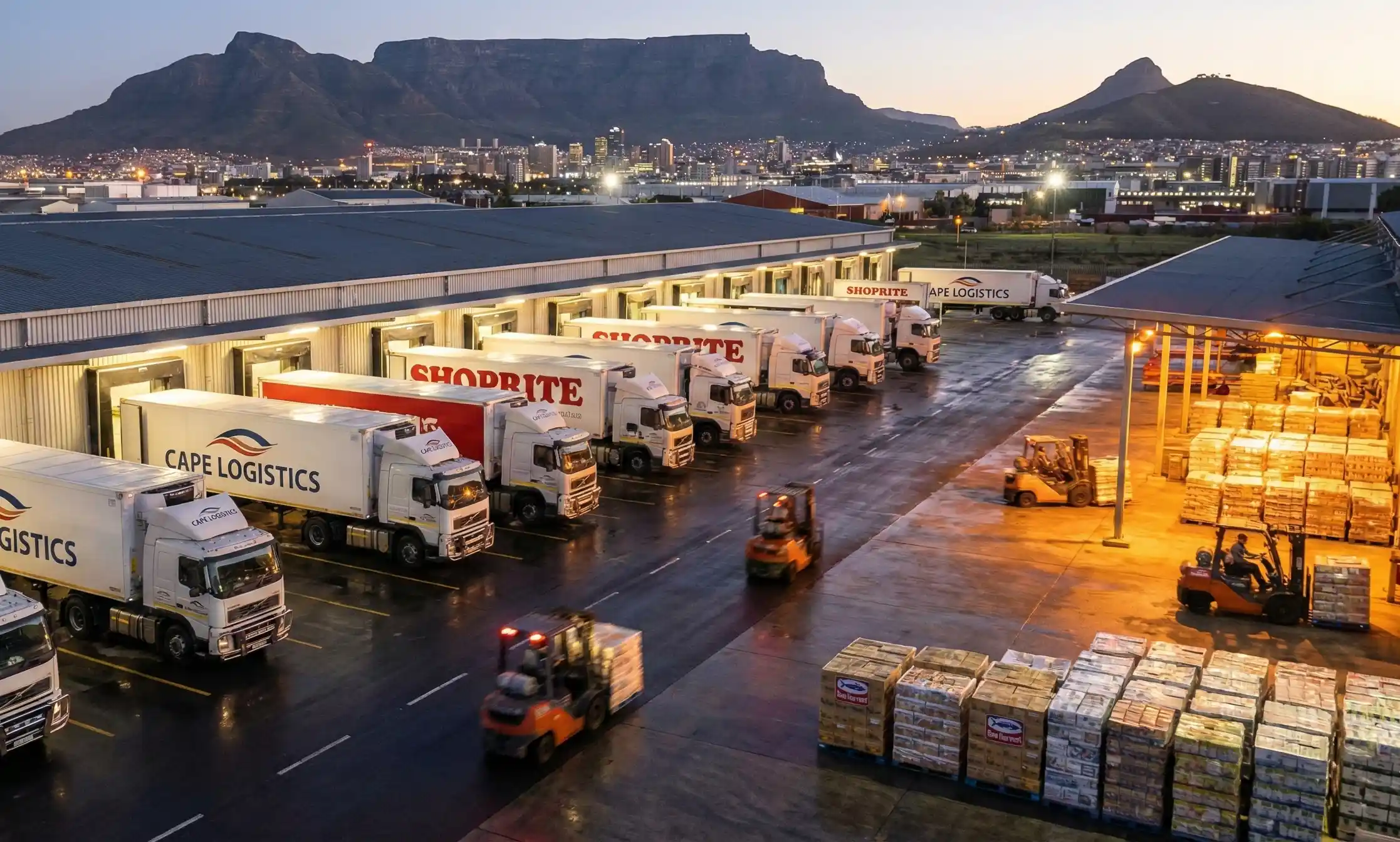
Cold chain, load shedding, and transport risk
Cold chain management in South Africa carries unique risks because of the intermittent power supply. A report on cold chain resilience amid load shedding points out that extended blackouts expose critical vulnerabilities in refrigeration systems and make backup solutions essential for food safety.
Related analysis of the cold chain’s exposure to load shedding notes that disruptions can even feed into higher food prices over time. For SMEs dealing with perishable products, partnering with resilient cold chain operators is non-negotiable.
A food and beverage directory helps by highlighting which warehouses, third-party logistics providers, and distributors operate refrigerated fleets, have backup power systems, or specialise in time-sensitive deliveries. SMEs can use this information to prioritise conversations with providers who have concrete plans for load shedding and temperature monitoring.
Selecting partners in this way reduces product loss, protects brand reputation, and keeps buyers happy when the lights go off. It may not remove the risk entirely, but it makes that risk more manageable.
Using a food and beverage directory to connect with food suppliers
SMEs often focus on using directories to find customers, yet one of the biggest gains lies upstream in sourcing. Every kilometre driven to collect ingredients or packaging adds to costs and complicates schedules.
By using a South African food directory to identify suppliers closer to main transport corridors or to existing distribution partners, producers can shorten inbound routes and consolidate deliveries. The savings may seem small on a single invoice, but they add up over months and years.
For example, a small sauce manufacturer might currently buy glass bottles from a supplier in one province and spices from another, both on routes that are awkward to reach. By scanning the food and beverage directory, the manufacturer could identify alternative packaging and ingredient suppliers located near a major logistics hub already serving its outbound deliveries.
Coordinating orders so that these suppliers deliver into the same hub means lower transport charges, fewer separate drop-offs offs and less time spent chasing delayed truck drivers.
Smarter sourcing that cuts kilometres and costs
Smarter sourcing also builds resilience. A short list of alternative suppliers in different regions can be assembled quickly using directory filters. If heavy rain closes a mountain pass or if port congestion delays imported ingredients, the SME has options. Instead of halting production, it can shift temporarily to a supplier on another route. In an economy where disruptions are frequent, that flexibility is worth its weight in gold.
Furthermore, choosing suppliers who understand the expectations of downstream distributors can smooth handovers and reduce errors.
Many of the companies listed in a well-curated, food and beverage directory already deliver to multiple partners and are familiar with palletisation standards, labelling requirements, and delivery window norms. Working with such suppliers helps ensure that products move through the chain with fewer unpleasant surprises and fewer returns.
Using a South African food directory to reach buyers and distributors
On the demand side, directories and industry guides are everyday tools for buyers and distributors who need reliable sources of products. Trade-focused publications linked to platforms like Food and Beverage Trade South Africa provide structured lists of producers, processors, and service providers across fresh, processed, and wine categories.
Procurement teams often turn first to these resources when filling gaps in regional ranges or when planning new campaigns that require product from specific areas or with specific handling needs.
When an SME appears in a food and beverage directory that buyers trust, its products stand a better chance of being considered for inclusion in multi-stop delivery routes.
That might mean joining an existing truck that serves a group of independent retailers in one region, or becoming a secondary supplier to a distributor that already operates chilled vehicles into a cluster of restaurants. In either case, directory visibility opens doors that would be difficult to reach through individual cold calling alone.
Turning directory leads into reliable delivery routes
The journey from listing to stable distribution usually starts with a single enquiry, often prompted by a buyer noticing a well-written profile in a South African food directory. Initial trial orders may be small and delivered on a test basis to gauge product performance and service reliability.
If both sides are satisfied, volumes tend to grow, and deliveries become more predictable. At that point, both the SME and the logistics provider can begin planning around recurring lanes and regular drop-offs.
Over time, these recurring orders create opportunities to refine routes. Several SMEs in the same directory may share a logistics partner, allowing that partner to combine collections or deliveries in ways that suit everyone.
This cluster effect is particularly powerful in industrial areas and agricultural hubs, where a single truck run can link multiple producers, warehouses, and retail outlets. Without the directory as a shared map, those connections might never be made.
Food and Beverage Trade South Africa as a practical directory
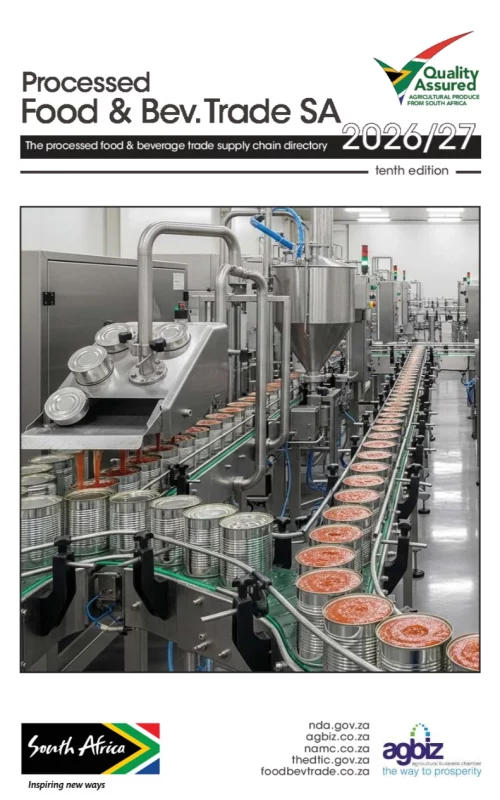
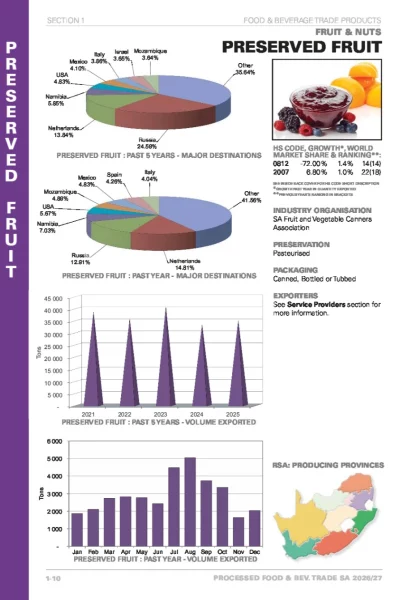
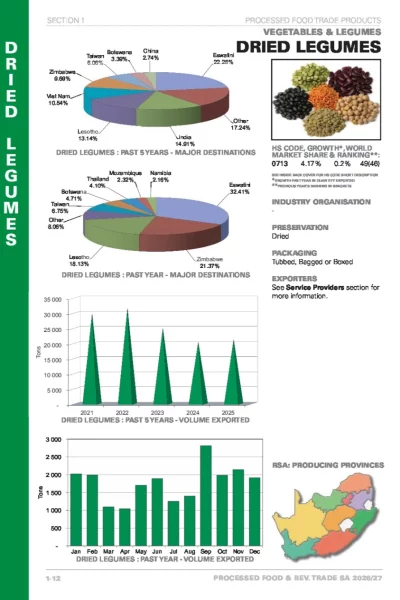
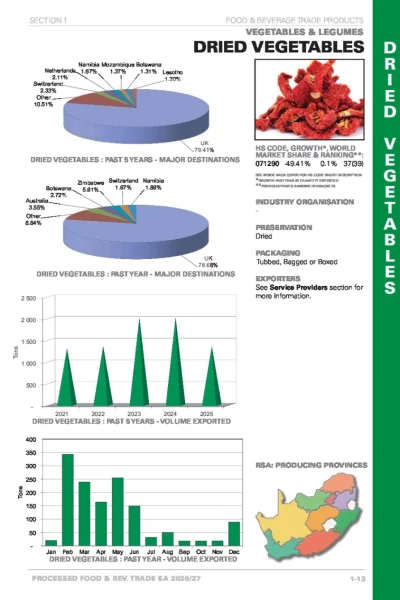
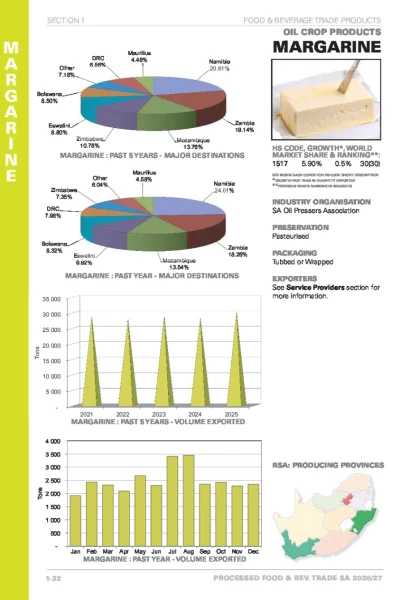
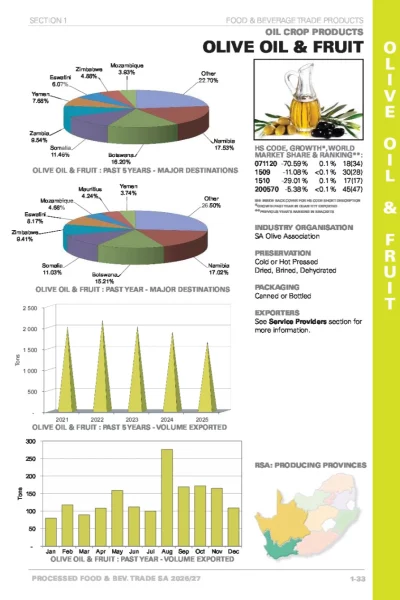
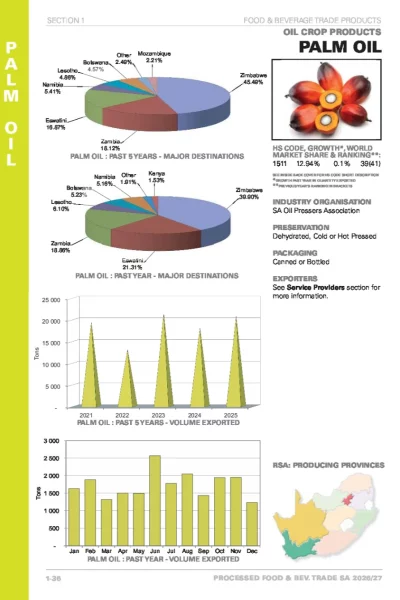
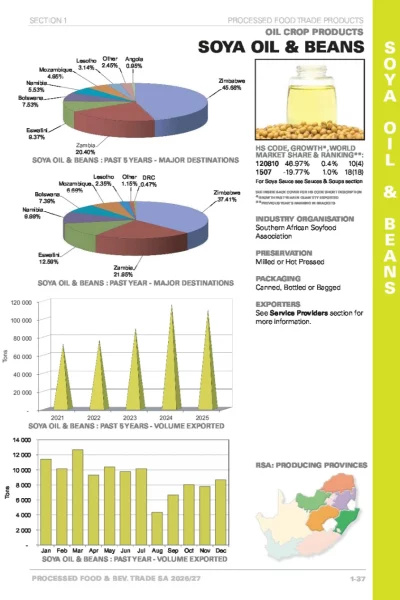
Food and Beverage Trade South Africa occupies a distinctive position in this landscape. The platform describes itself as a cornerstone in the national food and beverage industry, combining an online list of food and beverage companies in South Africa with annual print and digital directories that map the trade.
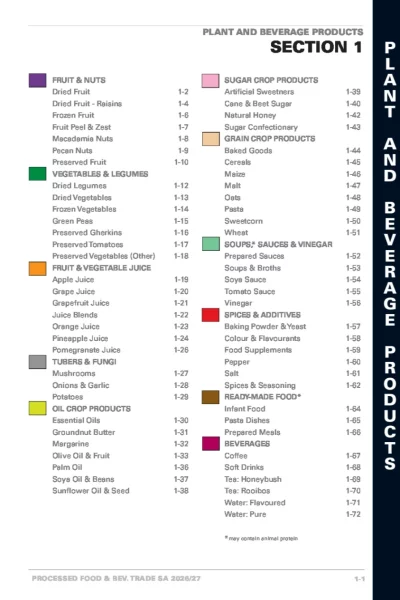
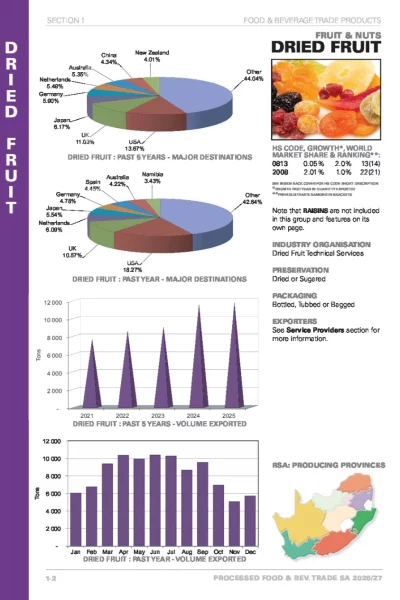
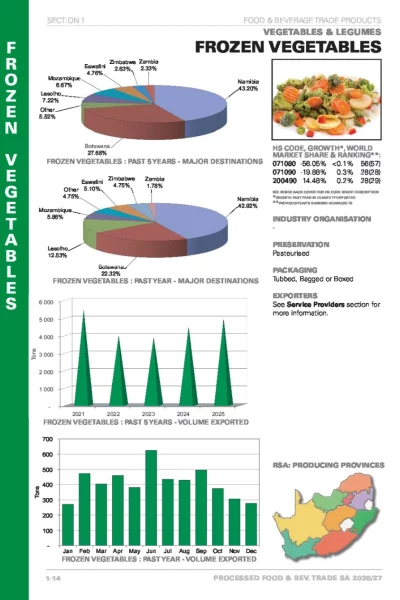
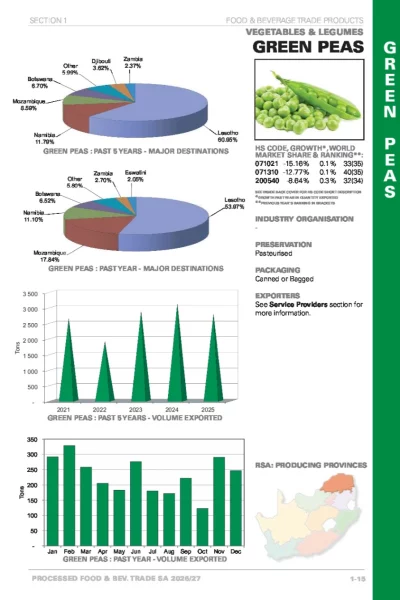
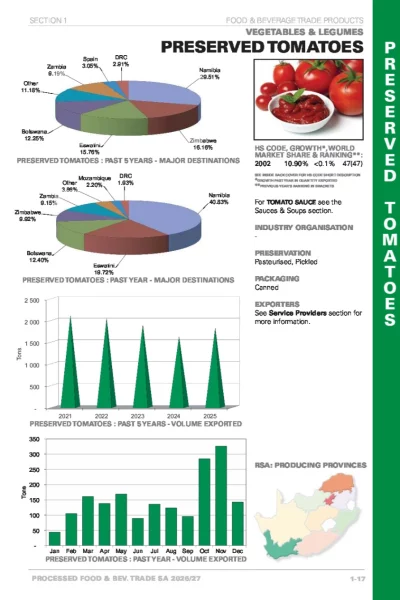
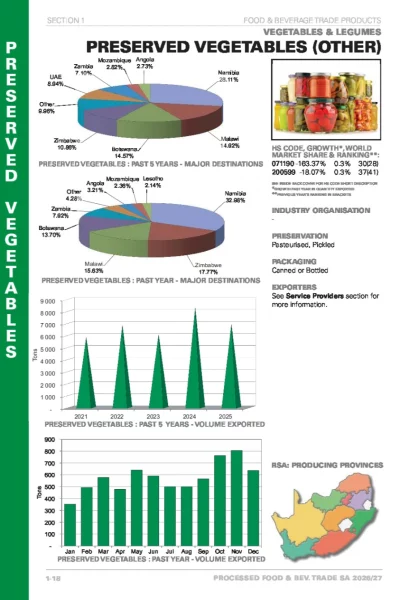
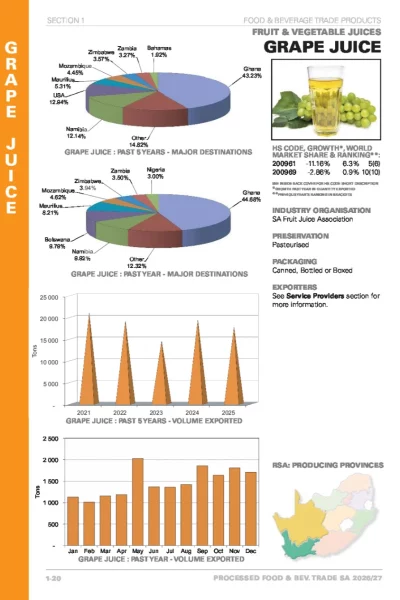
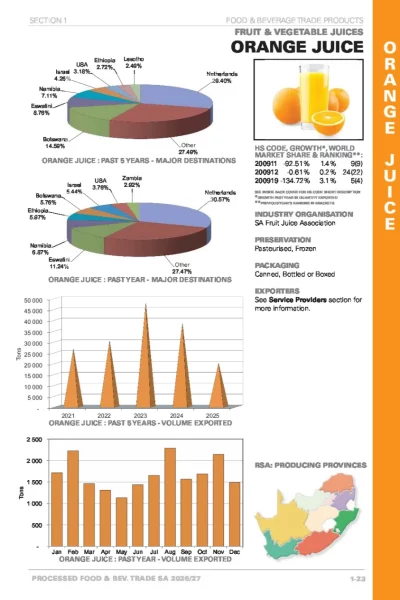
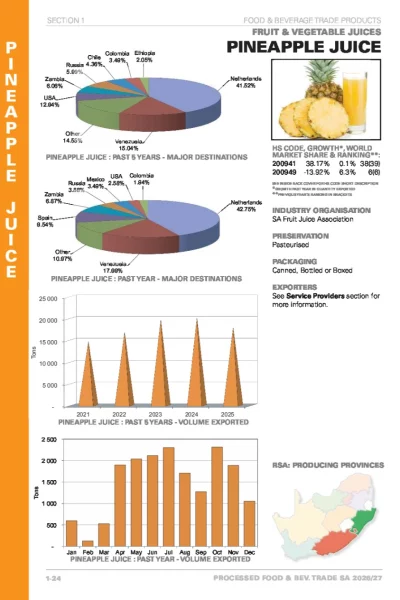
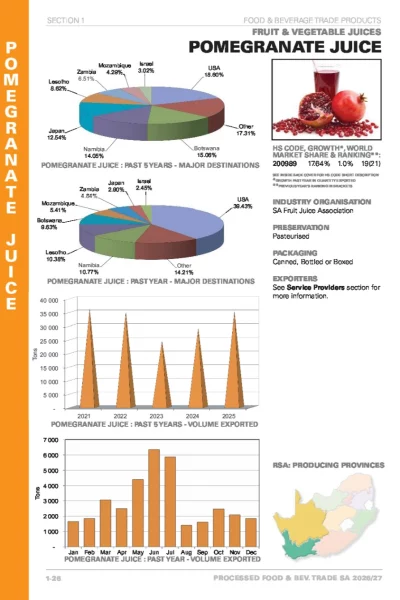
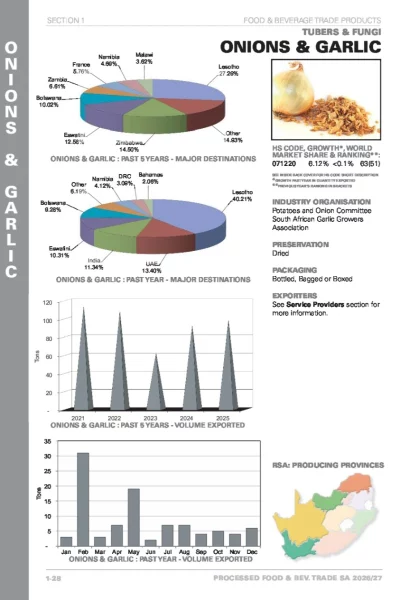
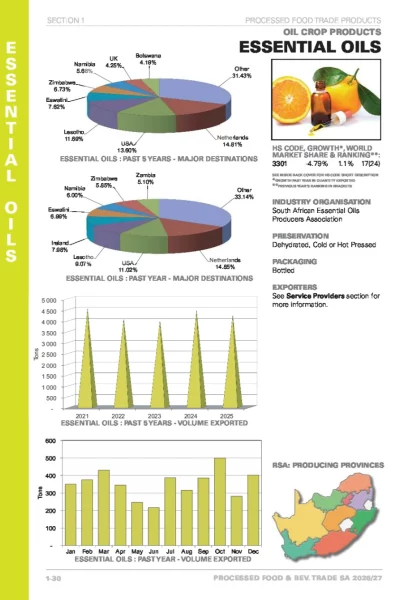
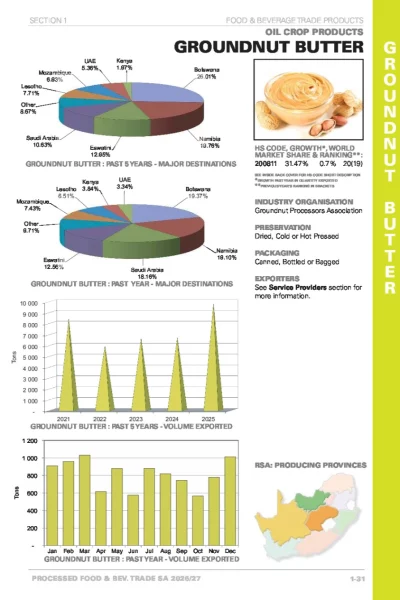
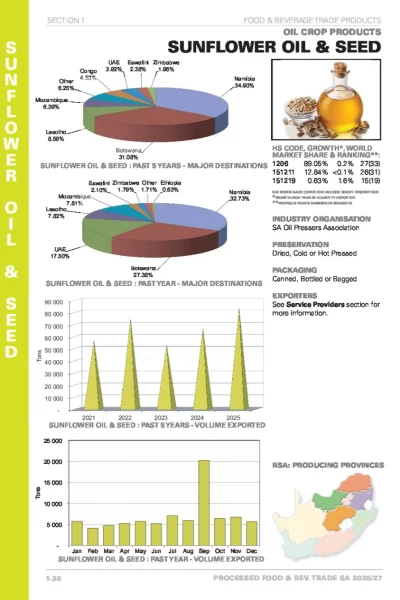
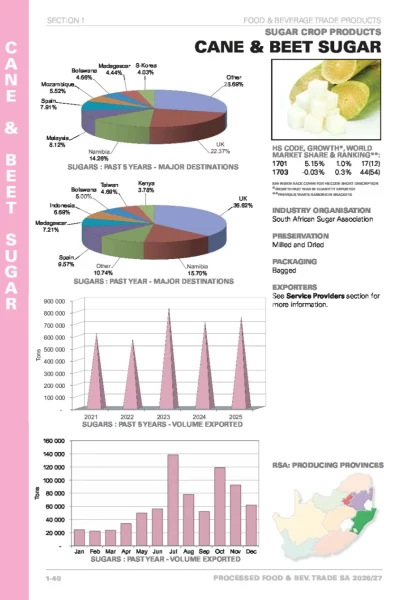
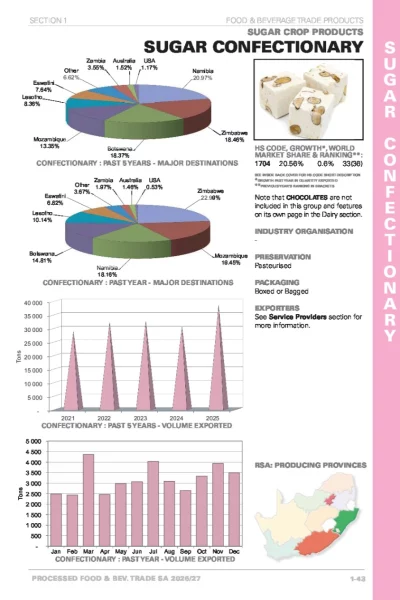
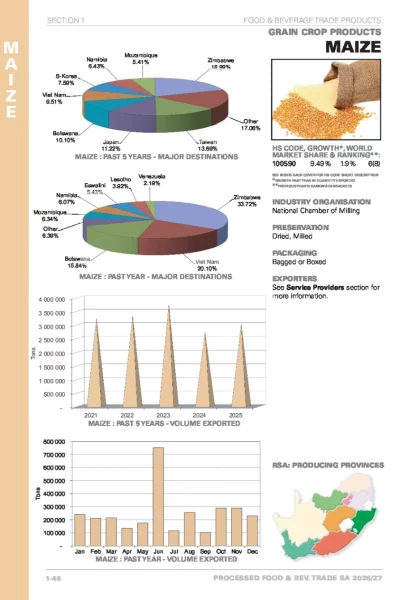
These include Fresh Food Trade SA, Processed Food & Beverage Trade SA, and Wines & Wineries of SA, each focused on a different slice of the supply chain.
Because these guides sit on the desks and desktops of buyers, distributors, and logistics planners, an SME listing reaches precisely the people who make daily decisions about trucks and stock. The guides group businesses by category and region, making it easy to spot potential suppliers and partners along key routes.
For SMEs willing to invest time in crafting strong profiles and keeping information current, this combination of online and offline visibility can be a powerful route to market engine.
Guides that map the fresh and processed supply chain
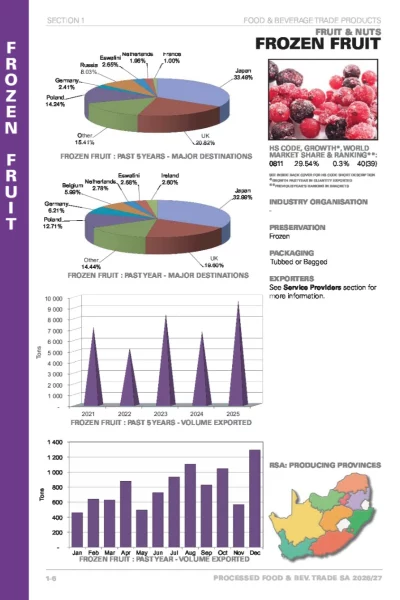
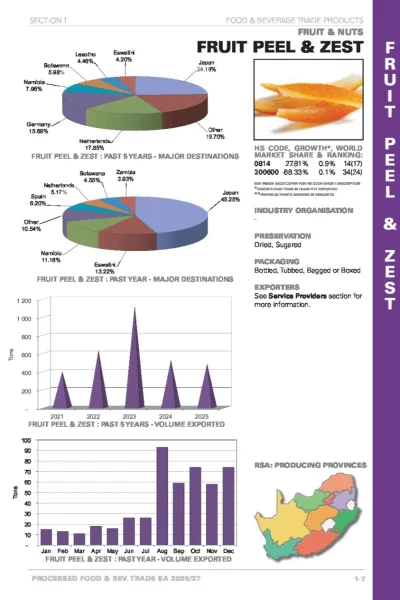
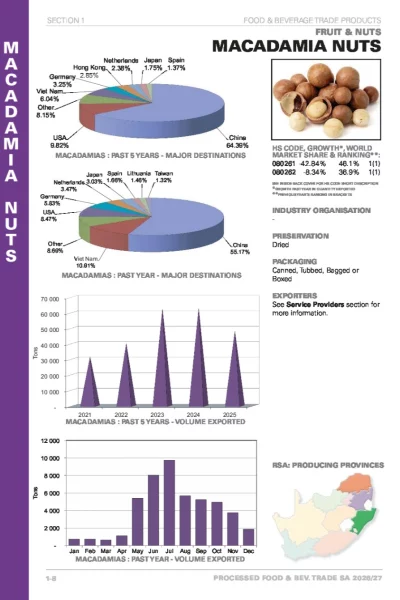
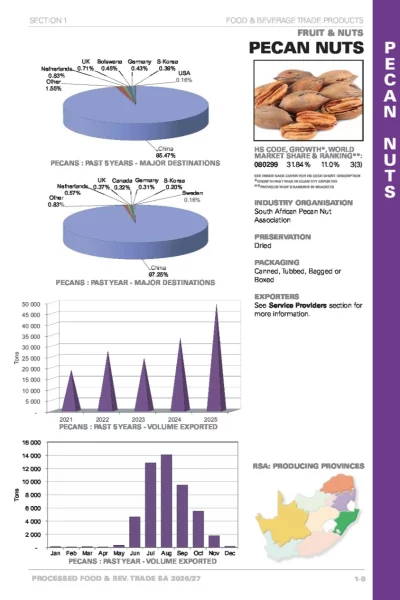
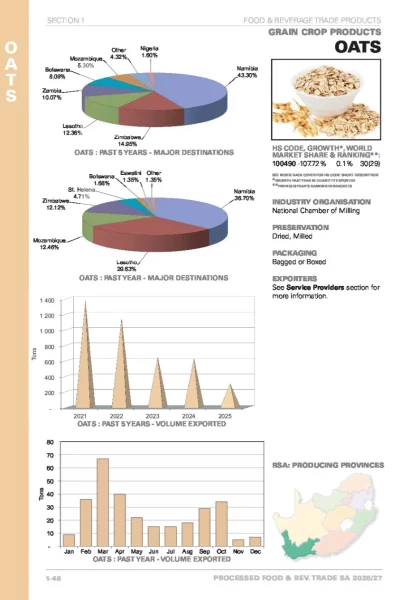
The Fresh Food Trade SA directory gives a structured view of the fresh food trade and supply chain, while the processed foods directory plays a similar role for packaged and long-life products.
Each guide highlights exporter listings, product categories, and contact details, which are exactly the elements logistics planners need to design routes and consolidation strategies. When a distributor is planning a run into a particular agricultural region, these guides provide a quick way to see which producers operate there and which value-added products might be worth collecting along the way.
For SMEs in those regions, appearing in the right section of the guide can mean the difference between occasional local deliveries and regular slots on a regional truck. The more clearly they state their pack formats, minimum order quantities, and service preferences, the easier it becomes for distributors to include them in established patterns.
Over time, this clarity helps both sides manage expectations and reduce miscommunication at loading bays and delivery points.
How these guides support route-to-market decisions
The route to market is ultimately about choosing paths that balance cost, reliability, and growth potential. Food and Beverage Trade South Africa’s directories support these choices by offering a comprehensive snapshot of who supplies what, from where, and in which formats.
Buyers can compare multiple options, evaluating not only product fit but also distance, storage requirements, and likely transport complexity. SMEs stand to benefit when their listings anticipate these questions and answer them directly.
In practice, this might mean stating clearly which provinces are already served, which ones are aspirational, and what kind of support would be needed to expand. Logistics partners reading the same listing can then propose solutions that match those ambitions, such as shared loads, cross-docking through specific hubs, or seasonal campaigns tied to harvest times. The directory becomes a neutral meeting place where these ideas can begin to take shape.
Avoiding common mistakes with food and beverage directories
Despite the potential benefits, many SMEs underuse or misuse directories. One frequent mistake is treating the listing as a one-line business card instead of a strategic communication tool.
Vague descriptions, missing regions, and absent logistics details discourage serious enquiries because buyers and transporters cannot immediately see whether collaboration is practical. The result is silence, which can be wrongly interpreted as a lack of interest in SME products.
Another common error is failing to update listings after significant changes. When a producer opens a second site, adds a frozen range, or secures a new certification, that information should appear in the food and beverage directory as soon as possible.
Outdated profiles can lead to unrealistic expectations or missed opportunities. Finally, some SMEs forget that directories and websites should tell a consistent story. If the delivery capabilities shown in a listing do not match those described on the company website, confusion follows. Aligning these messages helps everyone plan better routes and avoid surprises.
Conclusion: From static listing to moving product
In the early morning quiet of the factory, pallets of sauce or juice do not care how clever a business plan looks. They only move when people and vehicles move them. For South African food and beverage SMEs, a well-chosen and well-used food and beverage directory can be the bridge between a neat pallet in the storeroom and a repeat order from a retailer in another province. It is a humble tool, but a powerful one when combined with clear thinking and honest communication.
By stepping into a curated South African food directory that buyers and logistics partners respect, SMEs position themselves where real decisions are made about routes, loads, and schedules. Over time, the chaos of last-minute calls and desperate deliveries can give way to regular runs, fuller trucks, and calmer days. In a sector where margins are thin and external shocks are frequent, that shift can feel like the difference between constantly putting out fires and finally having room to plan for the future.
FAQ Section
How does a food and beverage directory differ from a general business directory?
A food and beverage directory focuses specifically on the food value chain, including producers, suppliers, logistics providers, and exporters. Listings usually include details like product categories, regions served, and storage requirements, which are critical for planning transport and cold chain, rather than just generic contact information.
Can a directory really help a small producer reduce logistics costs?
Yes. By using a South African food directory to find suppliers and customers along existing routes, a producer can shorten trips, consolidate loads, and avoid running half-empty vehicles. Over time, these changes reduce fuel and toll costs and improve negotiating power with logistics partners.
What information should SMEs highlight in a directory listing to support logistics decisions?
SMEs should include regions served, storage conditions required, typical order sizes, lead times, and any certifications relevant to handling or export. Mentioning whether products are ambient, chilled, or frozen, and indicating preferred delivery formats such as cartons or pallets, helps buyers and logistics providers design efficient routes.
How often should directory listings be updated?
Listings should be reviewed at least once a year and updated whenever there are material changes in capacity, product range, regions served, or certifications. Quick updates after signing with new logistics partners or expanding into new provinces ensure that buyers always see an accurate picture of what is possible.
Are food and beverage directories only useful for export-ready businesses?
No. Local and regional opportunities often arise first, especially where distributors seek new products to fill routes between major cities and towns. Export-ready SMEs benefit from directories that list international contacts, but smaller firms can still use directories to strengthen domestic supply chains and prepare for future export steps.
How can an SME choose which food and beverage directory to invest in?
It helps to check who uses the directory, whether it is linked to respected trade publications, and how strong its presence is among logistics providers and buyers. SMEs should also assess whether the directory allows them to describe logistics capabilities in enough detail to attract the right kind of enquiries.
Can directories help with cold chain challenges during load shedding?
Directories cannot fix power cuts, but they can make it easier to find cold chain partners with backup power, monitoring systems, and experience in handling intermittent supply. Choosing partners this way reduces the risk of product loss and helps maintain quality despite external disruptions.