Introduction: The morning when customers start on Google
A delivery driver leaves before sunrise because perishable stock waits for nobody, and a buyer in Bryanston will not cross the city just to find a new supplier. The route is planned, the bakkie is loaded, yet the day’s success will be decided long before the first handshake. It begins the moment a buyer types a query on a phone and the shortlist appears on a small screen. For any SME in the trade, South Africa food business SEO is not a buzzword—it is visibility, trust, and a fair shot at work in a market where timing and temperature decide margins.
Why local intent rules the buyer journey in South Africa
Local buyers search with place names because logistics, freshness, and compliance are all local realities. A head chef in Sea Point will type for Cape Town suppliers, and a retail buyer in Pinetown wants Durban solutions first. The signal shows up in phones, towers and coverage, not just in laptops and offices.
South Africa’s communications regulator reports that rural 3G/4G coverage sits above 85% across provinces and urban 3G/4G coverage runs at roughly 97%–100%, so mobile search has become the default doorway to procurement. That’s why South Africa food business SEO must be designed for phones first, maps first, and impatient thumbs.
Reality check: slow growth, high unemployment, and why digital visibility still pays
The macro picture is tight and unforgiving, which makes efficient marketing essential rather than optional. Statistics South Africa confirms the economy was 0.6% larger in 2024 than in 2023, with growth led by finance and trade and weaker performance in manufacturing.
That means customers are still spending, but they compare harder and expect quicker answers. The labour market remains under pressure too, with the official unemployment rate at 33.2% in Q2 2025, so decision-makers are wary and risk-averse. In this context, South Africa food business SEO earns trust by answering practical questions faster than competitors and by proving capability up front.
Table of Contents:
TL;DR: Key Takeaways
- South Africa food business SEO is the most reliable way to be found when B2B buyers search with local intent on mobile devices. The foundation is a fast, trustworthy website matched to a complete Google Business Profile, backed by citations and credible industry listings.
- Keywords must mirror day-to-day realities like cold-chain, delivery windows, compliance tasks, and geo-specific needs. The playbook is simple: build a page for each location and service, complete the profile with proof, collect reviews with intent, and track calls and quotes weekly.
What “South Africa food business SEO” really means for SMEs
The phrase lands differently in the food trade than in generic marketing decks. For a distributor or processor, search visibility affects route density, wastage, and even diesel spent per delivered kilogram. This is why South Africa food business SEO focuses on turning exact local problems into pages and profiles that answer them.
Think of a buyer’s world: compliance dates, refrigeration limits, procurement cycles, and cash-flow guardrails. Content that matches those details earns time and trust, which turn into enquiries and orders.
Local SEO vs national SEO: different games, different wins
National SEO chases scale and broad awareness, while local SEO wins by proximity, relevance, and real-world proof. An SME doesn’t need to rank for broad terms like “food distributor South Africa” to grow. The smarter win is to dominate “wholesale dairy supplier Midrand” or “HACCP auditor Cape Town,” because these searches come from buyers with budgets and immediate intent.
The South Africa food business SEO approach treats each province and metro as a mini-market, with dedicated landing pages, matching Google categories, and service bundles written in plain South African English.
The trust triangle: website, Google Business Profile, and third-party mentions
Trust online forms a triangle that holds or falls together. The website shows depth and detail, the Google Business Profile shows proximity and proof, and third-party listings show community validation.
When South Africa food business SEO brings these three into alignment, rankings stabilise and conversions get easier. The triangle strengthens with consistent product names, matching categories, and the same photos on site and profile. None of this is flashy. It’s the basics, done thoroughly and kept tidy.
Story: Sipho’s route from Soweto to Sandton
Sipho’s morning turns on one quiet moment: a buyer checks Google while the storeroom door is still rolling up. The shortlist shows three suppliers with decent ratings and one with complete product photos and delivery hours.
That profile gets the call first, and the first call often gets the order, especially when the offer is clear and the address is nearby. This is why South Africa food business SEO matters in practice. It shortens the path from search to sale and reduces the number of missed chances.
Missed calls, empty fridges, and a buyer who “just searched on Google”
Anyone in wholesale knows the pain of a missed call after months of hustling. Often the next supplier wins not because of price, but because the profile answered three questions faster: do you deliver here, do you have stock, and can you prove compliance.
South Africa food business SEO answers those questions in the places buyers look first: the profile services list, the product section, and the top fold of your service page. This is not theory. It’s what plays out on phones between 6am and 8am while trucks start their rounds.
Reflection: the small shifts that compound—one profile, one page, one review at a time
Growth for SMEs rarely comes from one big swing. It comes from small shifts that stack: a clearer category, a sharper page title, a photo that actually shows the product label, and a habit of asking for reviews after successful deliveries.
Within weeks, South Africa food business SEO turns those micro-habits into a thicker pipeline, better-qualified enquiries, and shorter sales cycles. Keep the tone human. Speak to real worries like load-shedding contingencies, refrigeration specs, and turn-around times.

Map the demand: keywords customers actually type
Buyers type their problems, not your product names. A restaurant manager will search for “bulk sunflower oil Pretoria” or “same-day lettuce supplier Bellville,” not a brand-led slogan. Treat South Africa food business SEO as a listening exercise. Pull data from Search Console, your call logs, and GBP Insights to see which suburbs, service types, and hours trigger calls. Then build pages that mirror those patterns, including delivery cut-offs, packaging formats, and minimum order values. This makes every click feel like a helpful step, not a maze.
SEO works best when it matches the language real buyers use—and that starts with clarity on who the business is trying to reach. This guide on defining your target market for a food business in South Africa helps tighten positioning, refine keywords, and improve lead quality.
Geo-modified intent: “supplier near me” becomes “wholesale spices Johannesburg”
“Near me” searches are useful, but buyers with budgets often add the city or the industrial node because they need predictable routes and times. South Africa food business SEO leans into this by creating specific city and township pages that speak to traffic patterns, delivery windows, and cold-chain handovers. Mention the real-world constraints a buyer recognises, like congestion on the N1 at peak times, or same-day cut-offs before 10:00. That sort of context signals operational maturity, which reads as trust.
Long-tail gold: compliance, cold-chain, and cost-saving queries
High-intent queries hide in paperwork and plant rooms. Terms like “COA inspection checklist Johannesburg,” “R146 nutrition table help,” or “backup power for walk-in freezers Durban” indicate a buyer with a problem to solve today. South Africa food business SEO turns those terms into practical guides and service pages that include templates, photos, and short videos. The win is not just ranking; it is being bookmarked by busy people because your content reduces risk and saves time during audit month.
Build the base: on-page signals that make pages win
Pages that win tend to share the same bones. Clear titles that include the service and city, headers that match questions buyers ask, and copy written in plain language. Build South Africa food business SEO pages around one service in one place, with pricing guidance where possible, and explicit lead times. Include embedded maps, driving directions for receiving, and a short section on returns, recalls, and substitutions. These details lower buyer anxiety and increase call-through rate, which is the real conversion.
Page titles, headers, internal links and schema for food business categories
A tidy site loops visitors between related pages. Link “wholesale dairy Johannesburg” to “cold storage capacity” and “delivery routes Gauteng” so the buyer can evaluate fit without phoning. Mark up products and services with appropriate schema, and use FAQ schema for recurring questions about halal status, allergen controls, or delivery insurance. The South Africa food business SEO method treats internal links as a service to the reader, not just a ranking trick. When the reading path makes sense, so do the leads.
E-E-A-T for the trade: expertise and proof that de-risks a purchase
Expertise is earned with transparent bios for quality controllers, photos of certificates, and short case notes about successful projects. Experience shows in specs and SOPs, not adjectives. Authoritativeness grows with mentions from credible bodies, and trust is built by consistent details and responsive contact. The most effective South Africa food business SEO pages carry this proof lightly, but visibly, so it is easy for a procurement officer to share the link in an internal email thread.
Own your backyard: Google Business Profile done properly
A complete profile outranks a beautiful profile that is incomplete. Categories must fit the service, service areas must match routes, and hours must reflect when someone answers the phone. Use the “Products” section to show SKUs or service bundles with realistic lead times. Photos should look like the loading area and stock that will actually arrive, not generic stock art. When South Africa food business SEO is mirrored in the profile—right down to wording and FAQs—buyers feel continuity and call sooner.
Categories, services, photos and products that match search intent
Mis-categorised profiles lose calls silently. If the primary business is distribution, don’t pick “grocery store”; select categories that describe B2B fulfilment. Add service descriptions that include suburbs and industrial parks, as that text is searchable and often visible. Keep photos fresh. A 30-day photo cadence shows life and reduces doubt. The same discipline applies on-site, where images are compressed, alt text is descriptive, and captions make sense to a human.
Reviews that stick: how to ask, track and reply like a pro
Reviews move rankings and conversions, but only when earned and maintained. Ask at natural moments: after a successful delivery, after solving a stock-out, or at quarter-end when procurement ticks off supplier scores. Share a short link with a suggested topic, like “delivery reliability” or “accuracy of temperatures,” so the review is specific. South Africa food business SEO improves with credible reviews because buyers recognise patterns they care about. Reply within two business days, always.
Power up off-page: citations and industry directories that move the needle
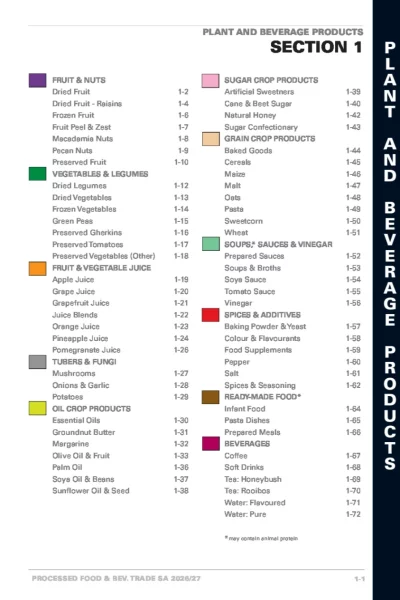
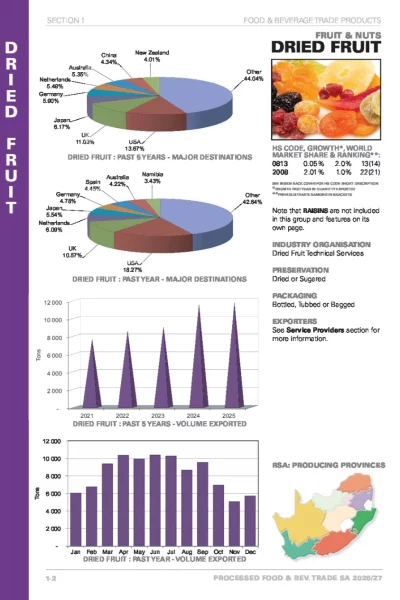
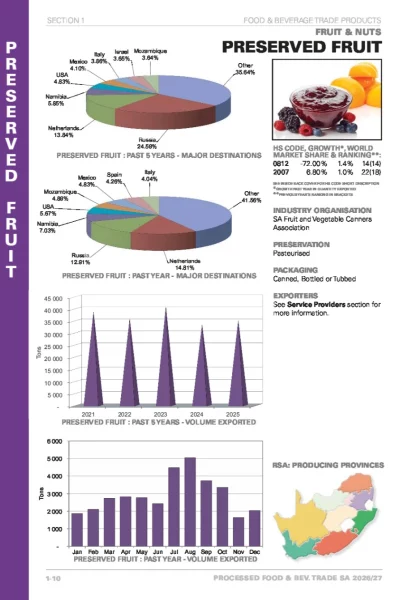
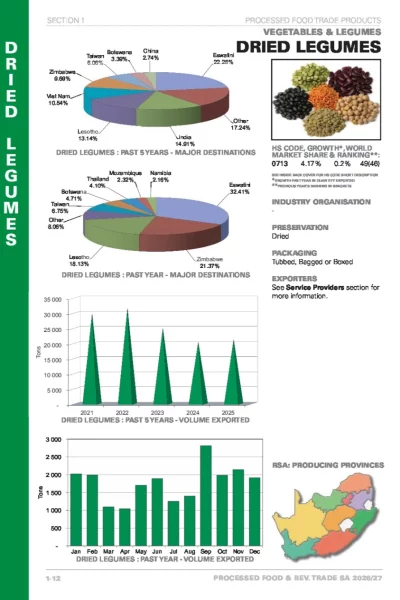
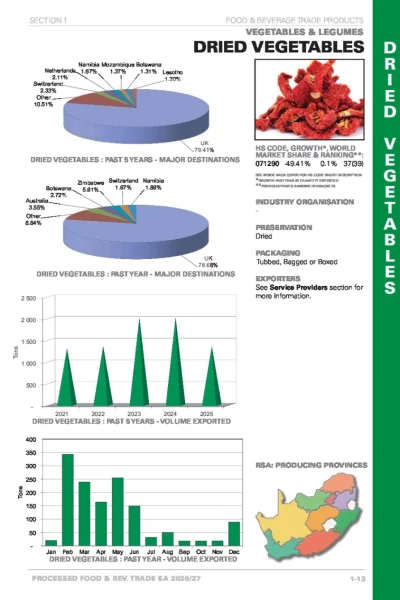
Local citations validate the business entity and help map results decide where to place a listing. Start with Food & Bev Trade as the authoritative industry listing, and add municipal directories, provincial chambers, and logistics associations. Treat each profile like a mini-landing page: consistent NAP, the same short description, and a link to the most relevant service page. South Africa food business SEO widens the web of trust without spamming, focusing on quality rather than quantity.
Where to list: Food & Bev Trade plus provincial directories and chambers
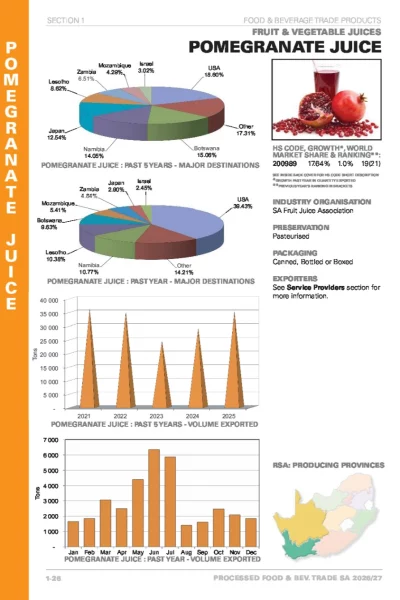
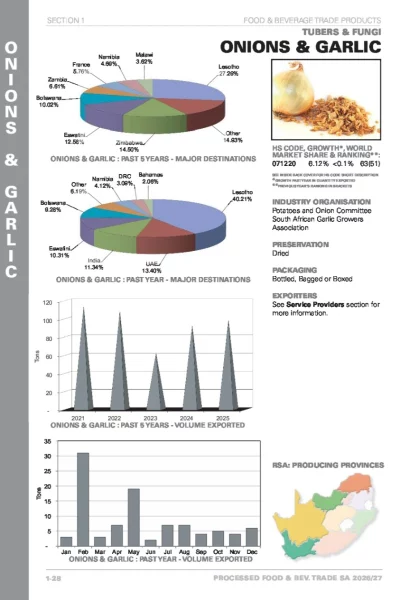
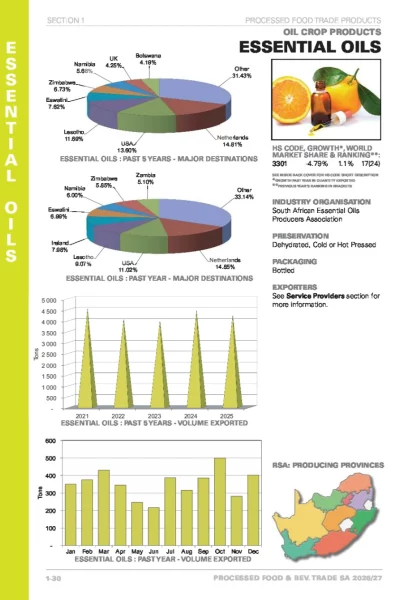
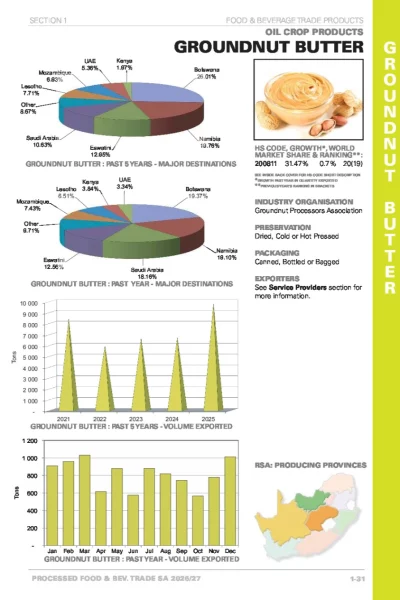
An industry-specific directory beats a random global list every time for relevance. Food & Bev Trade provides both credibility and targeted exposure to buyers in retail, hospitality, and manufacturing across the country. Add sector bodies and export councils where it makes sense. The idea is simple: meet buyers where they already look, then lead them home to a page that answers their next question.
Link outreach that doesn’t feel like spam
Good outreach is service-led. Offer a short checklist, a supplier onboarding guide, or a local compliance explainer to an industry body in exchange for a mention. Keep it short and useful. Over time, these mentions raise the authority of your South Africa food business SEO pages and attract warmer traffic that already trusts the context where it found you.
Technical checks: speed, mobile, and Core Web Vitals without the jargon
Technical debt drags rankings down quietly, especially on mobile. Fix the basics before chasing shiny tools. Compress images, reduce plugin bloat, and host close to South Africa for lower latency. A South Africa food business SEO site should open in under three seconds on a mid-range Android device over 4G, which is realistic given the national network coverage noted by ICASA. Test with real devices in the provinces you serve to catch slow pages and broken forms before buyers do.
Images, compression and simple CMS fixes that SMEs can control
Small controls solve big problems. Use next-gen image formats, lazy-load below-the-fold assets, and limit homepage sliders. Cache pages and avoid heavy third-party scripts that delay first input. None of this requires a semester of coding. It requires a checklist, an hour a week, and the patience to chip away. The reward is a smoother South Africa food business SEO experience that keeps buyers moving toward contact, not away from it.
Content that converts: playbooks for common B2B scenarios
Content is a service when it shortens buying cycles. Build a “Need a pallet by Friday” page template with cut-off times, minimum orders, and a direct phone link that works after hours. Create a “compliance month” hub every quarter with the right forms and R146 labelling explainers. Publish “cold-chain ready” pages that detail temperatures, tolerances, and your power-out contingency plan. These pages are the practical face of South Africa food business SEO, and they earn bookmarks as well as enquiries.
“Need a pallet by Friday” pages
Rush orders are the stress test for trust. A page that shows same-day options, route maps, and payment terms removes friction at exactly the moment a buyer needs clarity. Add three short case notes to prove it is real. Over time, this single page often becomes the highest-converting asset in the stack because it aligns perfectly with intent and location. That is the quiet strength of South Africa food business SEO—meeting urgent demand with precise answers.
“R146 labelling help” explainer hubs
Compliance searches spike with audits and product launches. An explainer hub that translates R146 into plain English, backed by links to official documents, wins attention from SMEs and corporates alike. Pair the hub with contact paths to trusted consultants. This is where South Africa food business SEO becomes a network effect, connecting buyers and specialists while your brand becomes the helpful constant in the middle.
“Cold-chain ready” service pages with specs customers trust
Cold-chain pages that show probe logs, delivery temperature ranges, and generator capacity calm procurement nerves. Share a short paragraph on maintenance schedules and escalation paths during outages. When South Africa food business SEO includes this level of operational transparency, risk-averse buyers engage faster and ask better questions, which shortens the time to purchase order.
Measure what matters: from rankings to revenue
Rankings are a proxy; revenue and retention are the goal. Track calls from the site and Google Business Profile, measure emails and quote requests, and watch which pages assist the most conversions. South Africa food business SEO works best when dashboards stay simple and are checked weekly, not hourly. Over months, expect call volumes to lift first, followed by close rates as reviews and mentions grow. That is how the flywheel forms: visibility, proof, and delivery.
Simple dashboards: Search Console, GBP Insights, and call tracking
Search Console shows the queries and pages doing the heavy lifting. GBP Insights shows where map views and calls are coming from. A basic call-tracking number per location turns guesswork into data. With that feedback loop, South Africa food business SEO stops being theory and becomes a weekly operating habit. Pair the numbers with real-world notes from the sales team and route scheduler, and adjust pages accordingly.
Conclusion: Consistency beats hacks
Growth here is earned, not hacked. The businesses that win in local search show up consistently, keep details tidy, and focus on human worries more than keywords. South Africa food business SEO is a long game of clear pages, credible profiles, and community proof. Keep at it for a season, and the pipeline thickens. Keep at it for a year, and the brand starts to carry itself—even on tough weeks.
FAQ
How long before local SEO shows results for a food SME?
Most businesses see a lift in map views and calls within six to eight weeks once profiles and key pages are in place. The compounding effect usually arrives after three months when reviews and citations accumulate. The pace depends on competition, content quality, and how consistently details are maintained. Keep expectations steady and focus on weekly actions rather than daily rank checks.
Is paid search better than South Africa food business SEO?
Paid search is helpful for launches and seasonal pushes, but it stops when the budget stops. South Africa food business SEO compounds because pages and profiles keep working after publishing. A blended approach is often strongest: capture urgent demand with paid traffic while building a base of organic visibility that lowers cost per lead over time.
How many location pages are too many?
Create pages only where service is real and routes exist. One page per city or cluster is sensible if the team can deliver there within the promised times. Each page should show unique local details—delivery windows, recent clients with permission, and a map. Duplicate pages without substance tend to stall rather than scale South Africa food business SEO.
What should go into a Google Business Profile for a distributor?
Select categories that reflect B2B distribution rather than retail. Add service areas that match routes, list products or service bundles with lead times, and upload real photos monthly. Respond to every review, and use the Q&A feature to answer recurring questions. These habits strengthen South Africa food business SEO signals and make buyers comfortable calling.
What metrics prove that SEO is paying off?
Track calls, quote requests, and closed deals back to the page or profile that started them. Watch assisted conversions too, because many buyers read several pages before calling. Over time, aim for a higher call-through rate from key pages and a steady climb in branded searches, which signal growing awareness driven by South Africa food business SEO.
Does load-shedding still matter for SEO content?
Yes, because buyers want to see operational resilience even if outages are less frequent this year. Include a brief statement of backup-power plans on cold-chain pages and explain delivery contingencies. This calms risk-averse readers and increases conversions, which is the real test of South Africa food business SEO.
Are reviews from suppliers and partners useful, or only from end-customers?
Both help, provided they are specific and honest. A logistics partner praising on-time loading or a retailer noting accurate invoices tells a procurement officer what to expect. These details increase trust signals around South Africa food business SEO and nudge hesitant buyers to pick up the phone.