Introduction: Breakfast rush, big ambitions
At first light in the winelands, production ramps up, delivery notes stack, and the first truck edges out of the yard. By midday, a buyer in Midrand is comparing options, searching quietly for a supplier who can commit on lead times and temperature control. This is where SEO for food suppliers South Africa earns its keep, turning real-world strengths into the language buyers type into Google. In a market where time, cold chain integrity, and compliance make or break orders, search visibility is not a “nice-to-have” but another route-to-market that works while the phones are busy.
South African buyers search on the go, and most households access the internet via mobile, which means the first touchpoint is a small screen with little patience. According to Statistics South Africa’s latest General Household Survey, 78.6% of households have internet access through one or more locations, with 72.6% using mobile technology; fixed-line access at home sits at 14.5%, and Western Cape leads on overall access. This mobile-first reality should shape how pages are written, laid out, and loaded, because even a good offer is lost if the page drags or the message hides below the fold. For SMEs under pressure, that translates into a bias for fast pages, plain English, and product details up front.
Table of Contents:
TL;DR: Key Takeaways
- Search visibility pays when it mirrors real buyer moments—stockouts, compliance checks, cold chain planning, and last-mile constraints. Prioritise pages and keywords that answer procurement questions quickly, especially on mobile, where most South Africans access the internet.
- Build keyword clusters from jobs buyers need done, not just product names. Favour long-tail phrases that include certification, storage class, and delivery geography, because those phrases surface late-stage buyers who value reliability over hype.
- A compact strategy wins: clear product pages, local landing pages tied to delivery reality, and a few problem-solving articles. Track a short list of logistics-aware KPIs and keep improving the pages that buyers actually use when they need supply fast.
The Basics: What SEO means for food suppliers
SEO is simply making it easier for the right buyers to find the right product at the right moment. For food suppliers, that means mapping on-page elements to procurement questions, earning trust signals off-page, and keeping the site fast and crawlable.
The north star is intent: a chef searching “bulk long-life cream supplier Paarden Eiland lead time” is not in research mode—procurement is live, and clarity beats poetry. Keep the focus on specifications, freshness windows, compliance marks, delivery coverage, and minimum order quantities, because these details move orders from “maybe” to “send the PO.”
When search intent is tied to supply chain moments, content gets sharper. A warehouse manager might search when a pallet is rejected and needs a compliant substitute fast, or when port congestion nudges switch-to-local decisions.
South Africa’s logistics landscape has been under strain, which buyers know well; reform efforts like the national Freight Logistics Roadmap aim to stabilise performance through coordinated action by the Department of Transport, National Treasury, and the Presidency via the National Logistics Crisis Committee. Referencing these realities in content is not politics; it is context that helps a buyer trust that you understand the terrain.
Keyword Strategy 101: Finding buyer language in South Africa
Start by writing down the tasks buyers actually do in your category. A sauce manufacturer might field searches for “Halaal certified peri-peri bulk supplier Cape Town,” “shelf-stable marinade for export HS code,” or “food-service sachet packing 5g to 20g Gauteng.” Each phrase holds a job-to-be-done: compliance assurance, export readiness, or portion control for QSRs.
Expand the list with variants that include delivery windows and geography, since many decisions hinge on how quickly you can ship to the right DC or store. The aim is to capture SEO basics while staying close to buyer intent.
Long-tail phrases convert when the logistics clock is ticking. During disruptions—storms, port congestion, or road closures—buyers search for closer suppliers who can deliver within fresh-life constraints. Public reports have documented how weather and under-investment have contributed to port backlogs, which in turn sharpen regional demand for reliable local supply.
When content reflects lead-time honesty, temperature requirements, and contingency routes, searchers experience relief, not fluff. Use these signals to shape clusters like “cold chain delivery Cape Town tonight,” “Gauteng ambient sauces MOQ,” and “Eastern Cape HACCP-audited packer.”SA-specific examples to seed a list:
Focus on “rooibos-infused marinade bulk Western Cape,” “Karoo lamb fat rendered supplier HACCP,” “R638 food labelling compliance auditor for sauces,” and “export-ready marinades EU certificate of analysis.” If you serve retailers, include buyer language like “DC delivery schedule City Deep,” “promo-ready shelf-life 120 days,” and “private-label capacity 10,000 units/week.” For hospitality and QSRs, “portion-controlled sachets per carton,” “allergen control peanut free line,” and “night-shift offload” will signal operational fit.
On-Page SEO for Product & Category Pages
Give each product page a job: answer the buyer’s first five questions without scrolling. Lead with a clear H1 that includes the product and geography when relevant, then a first paragraph that states format, pack size, storage class (ambient/chilled/frozen), lead time, and delivery coverage.
Write a meta title that pairs the product with the strongest modifier, such as “Bulk peri-peri sauce supplier | Western Cape 48-hour delivery.” Keep meta descriptions human: benefit plus proof, such as a certification or standard delivery window.
Specifications are where many food supplier pages fall short. Include HS codes, allergens, shelf-life, storage temperature, MOQ, pallet configuration, and case dimensions for proper load planning. Add HACCP, FSSC 22000, or retailer audit badges in both text and image form so they are machine-readable and human-visible.
Where possible, publish typical lead times to each region and call out chilled versus frozen split because it changes route planning. This operational colour turns a generic product page into a procurement tool that reduces email ping-pong and accelerates quotes.
Image SEO that works starts with meaningful alt text. Rather than “bottle.jpg,” write “2kg Halaal peri-peri marinade food-service pouch, chilled, 30-day shelf-life.” Alt text should communicate format, certification, and storage class where relevant.
Compress images to keep pages fast and avoid layout shift that frustrates mobile users. When in doubt, choose one crisp primary image and a few details shots that show labels and packaging; you are not selling a vibe, you are enabling purchase clarity.

Content that Moves Stock (and Trucks)
Blogs and resource pages should shorten buying cycles by answering non-negotiables. Think “How to keep a 0–4°C chain on the N1 run in summer,” “R638 labelling rules for sauces,” or “What a DC wants to see on an outer case label.”
These articles pull qualified traffic and reduce friction when a buyer checks internal boxes before adding a new supplier. Mix national context with local nuance so you sound like a partner, not a textbook.
Local landing pages are your quiet heavy-lifters. If you service Cape Town, Johannesburg, Durban, and Gqeberha differently, build pages that show delivery windows by area, cut-off times, and emergency runs. South African households are overwhelmingly mobile-first, so keep these pages fast and organised, with scannable sections for delivery days and temperature classes.
Add a brief note on how you mitigated recent disruptions—buyers know the game and appreciate straight talk. This approach respects the “local is lekker” instinct without overselling.
Technical SEO without the headache
Speed is table stakes when your buyer is on a factory floor hotspot. Keep render-blocking scripts minimal, compress images, and serve static assets with sensible caching.
Mobile usability issues—tap targets, font sizing, intrusive interstitials—hurt conversions more than rankings, because they make urgent tasks feel hard. A modest technical tidy-up delivers outsized gains for SMEs under pressure.
Schema helps machines understand your offer. Mark up organisation details, product pages, and FAQs to earn richer results and better crawling efficiency.
For distributors and manufacturers, Product schema can surface pricing, availability, and review snippets where applicable, while FAQ schema speeds up answers to “MOQ,” “lead time,” and “certification” queries. Keep it honest and current. Technical SEO is not a silver bullet; it is a clean runway for the content and trust you are already building.
For a broader strategy that goes beyond quick fixes—covering site structure, content, and internal linking—this guide on SEO for food suppliers in South Africa provides a more complete framework to grow search visibility over time.
Off-Page: Earning trust signals that count
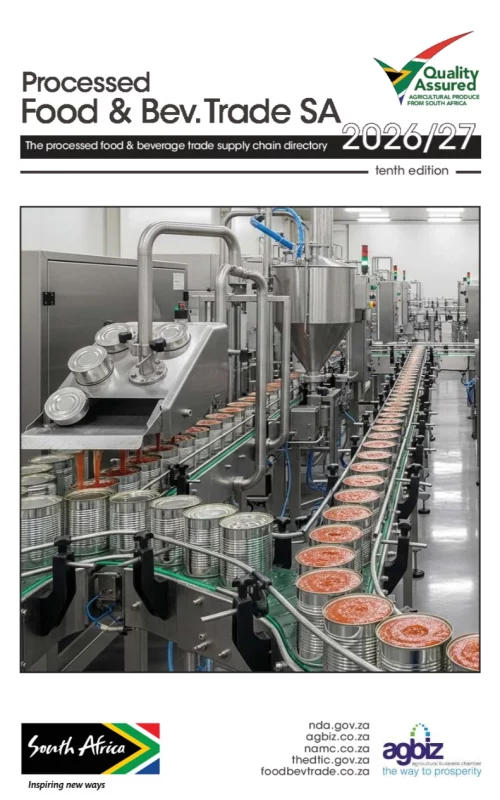
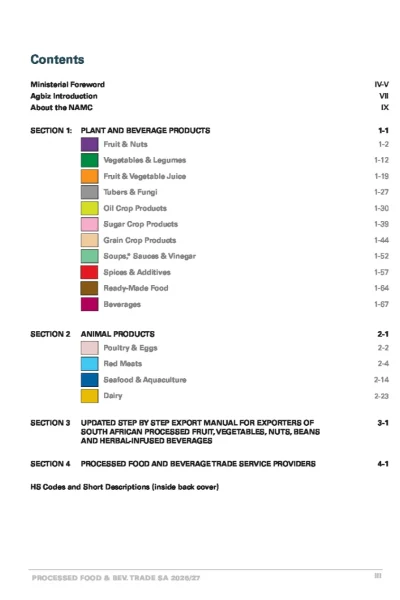
Not all links are created equal. Prioritise South African industry directories, trade associations, and credible news mentions over random international sites. Food & Bev Trade is designed for procurement visibility and category relevance; a high-quality listing with complete specs, certifications, and regional delivery details can send both referral clicks and ranking signals.
Pair that with case studies naming the route, the delivery window achieved, and the quality checkpoints passed. It reads like proof and attracts the kinds of links that nudge Google and reassure buyers.
When logistics performance is topical, thought leadership can travel further. National discussions around the Freight Logistics Roadmap and port performance have been front-of-mind for many sectors.
If you can share credible, non-confidential process improvements—like pack-out changes that reduced damages or updated route timings that account for weather patterns—trade media and associations are more likely to cite your insights. Those mentions stack up as reputation, and reputation converts.
Measurement: What to track weekly
Track keyword groups by buyer journey stage: problem discovery (“shelf-life marinade summer”), supplier evaluation (“HACCP marinade supplier Cape Town”), and purchase logistics (“48-hour delivery peri-peri Johannesburg”). Pair rankings with enquiry quality, not just volume; a few high-fit quotes beat plenty of tyre-kickers. Watch assisted conversions in analytics to see which info pages quietly help close deals. Monitor exits on lead-time and delivery pages—if buyers leave there, the message or promise needs tightening.
For SMEs, add logistics-aware metrics to your dashboard. Measure time to first response on web enquiries, quote turnaround, and conversion rate by region. Keep an eye on mobile bounce rates for local landing pages; if bounce spikes during storms or busy seasons, tighten the message at the top of the page with delivery updates.
Trend form submissions by keyword cluster, then put more effort into the pages that pull late-stage intent. Keep it simple, track it weekly, and improve the lowest-effort, highest-impact items first.
Conclusion: Keep it steady, keep it local
Search visibility grows when it reflects how South African buyers actually buy—under pressure, on mobile, and with delivery constraints in mind. The mix is simple: pages that answer procurement questions, local landing pages that align to routes, and a few pieces of helpful content that solve real transport and compliance snags. Back it with clean technical basics and a couple of solid directory listings, and the graph climbs without fancy footwork. In a country that rewards consistency over noise, steady wins the race.
FAQ Section
How many keywords should a product page target?
A single primary keyword with one or two close variations is enough for most product pages. Over-stuffing dilutes meaning and reads as spam, which turns off both buyers and search engines. Keep the headline, first paragraph, and one subheading aligned to the primary phrase, and let the rest of the page answer practical procurement questions. If you need to chase additional phrases, create a related page or a short article that links back.
Do local landing pages risk duplicate content if products are identical?
Duplicate content is only a risk when pages are essentially the same and add no unique value. Local pages should differ by delivery windows, cut-off times, service areas, case studies, and warehouse capabilities. These details change the page intent from generic to truly local, which is useful for buyers and valid for search engines. Think of each page as a service promise tailored to a route.
How can a small supplier earn quality links without a PR budget?
Start with credible South African directories and associations that procurement teams actually use, then publish one or two problem-solving articles that trade media might cite. Case studies with delivery achievements, audit outcomes, and wastage reduction can interest industry newsletters and chambers. Reviews from business customers, properly documented, also help build trust signals. Keep outreach polite, specific, and focused on mutual value rather than hype
What if the site is slow on mobile but there’s no developer on hand?
Compress images, remove heavy sliders, and trim unused scripts as a first pass. Choose a lean theme, limit fonts to one or two families, and keep page layouts simple so content loads first. Many of these fixes are point-and-click in common CMSs and can shave seconds off load time. Faster sites feel better to buyers and tend to perform better in search.
Which metrics prove SEO is helping sales, not just traffic?
Track qualified form submissions, quote requests that reference specific product SKUs, and conversion rate by region. Pair these with assisted conversions to see which articles and pages support deals over days or weeks. Monitor exit rates on delivery and lead-time pages, because those are often the last stop before an enquiry. Review this dashboard weekly and adjust content accordingly.
How often should keywords be reviewed?
Quarterly is a healthy rhythm for most SMEs, with a quick monthly look during busy seasons. Revisit phrases after supply chain shocks or regulatory changes, as buyer language shifts in those moments. Add new long-tails that mention delivery windows and certifications when they become selling points. Retire terms that attract the wrong visitors to protect lead quality.
Is blogging still worth it if the goal is B2B procurement?
Yes, if the topics solve real operational problems and reduce friction for buyers. Articles that unpack compliance, storage classes, and delivery realities attract late-stage readers who are close to sending a PO. Keep posts practical, reference South African conditions, and link directly to relevant products and contact forms. One strong article can out-perform five generic ones.