Introduction: Why Profiles Win Before the First Call
Just after sunrise in the Stellenbosch winelands, a food producer like Thabo is already planning the day while the kettles warm and the first batch of labels sits ready. Buyers in Gauteng will open their laptops long before a tasting ever happens, so the next retail break or export enquiry is decided online, not onsite. This is where food business online profile tips become more than marketing; profiles carry the story, the proof, and the promise through directories and social pages that buyers trust. In South Africa’s tight margins, a profile either answers buyers’ questions in thirty seconds or it disappears beneath the next listing, and no one has petrol money to waste on being invisible.
Table of Contents:
TL;DR: Key Takeaways
- A modern buyer shortlists quietly and fast, using directories and social pages to test credibility before sending a message. The best food business online profile tips start with clarity: one-line proposition, clean categories, and evidence of operational readiness that buyers recognise.
- Consistency beats cleverness. The same headline, product taxonomy, and contact details across listings and social pages create trust and make GEO search work harder. A profile that combines certifications, volumes, and lead times will convert better than a poetic origin story alone.
- South African realities—load-shedding, logistics, and labelling rules—belong in the profile, not hidden in emails. Simple, direct language that explains cold chain plans, dispatch days, and compliance keeps enquiries serious and reduces back-and-forth that steals production time.
The Stakes: How Buyers Shortlist Suppliers Now
B2B procurement in South Africa feels personal, but discovery is increasingly digital and unforgiving. Category managers and distributors scan directories to identify who is retail-ready, then check social pages for product proof, customer feedback, and responsiveness. These two surfaces work together: directories get found; social pages make the brand feel alive.
South African buyers increasingly shortlist suppliers online before making contact, so discovery is won or lost in a few scrolls. A concentrated market keeps standards high and patience low, which means profiles must speak clearly to category, readiness, and reliability.
Recent industry data underscores how vital SME visibility remains in this environment, with small businesses generated 21% of turnover in AFS 2023, proof that the sector is meaningful, but still competing for attention in tight categories. Strong profiles help decision-makers compare like with like, avoid tyre-kickers, and fast-track credible suppliers into the next round.
Treating these food business online profile tips as a single system ensures buyers see the same message, the same claims, and the same contact paths everywhere. Failing here creates the kind of confusion that makes a buyer shrug and move on to the next supplier.
A polished profile helps, but search visibility is what consistently brings qualified decision-makers to the right pages. This South Africa food business SEO guide breaks down practical steps for improving rankings, clicks, and discoverability in competitive categories.
Messaging Spine: 5 Lines Every Profile Must Hold
A profile earns attention when it lands a clear, single-sentence value proposition that names the category and the use case. The second line should flag production capability—batch sizes, lead times, and MOQs—so buyers know whether to call now or later. Directories allow more structured fields, so food business online profile tips should adapt tone and length to fit, while social bios stay tight with one CTA and one link.
Character counts matter; trimming adjectives and replacing them with units, volumes, and regions shows respect for busy buyers who have twenty tabs open and a price negotiation waiting.
Proof Beats Pitch: Building Trust in Seven Signals
Buyers love a good origin story, but they buy on proof. Certifications like HACCP, traceability systems, and third-party audits translate into less risk for retail partners. Product-level detail—pH ranges, allergens, shelf-life, and packaging formats—helps technical and category teams do quick screening.
Origin stories still matter when tied to SA regions and crops that anchor authenticity, such as the Cederberg for rooibos or the Karoo for lamb by-products, but food business online profile tips emphasise that evidence outperforms adjectives. Each proof point becomes a tile the buyer can stack into a case for onboarding.
Food business online profile tips for Directories
Directories are where structure wins. The title must mirror the category naming buyers already use, not a clever variation that buries search visibility. Tags should reflect ingredients, product formats, and buyer intent—think “private label,” “HORECA,” or “bulk catering”—so discovery aligns with how SA buyers search.
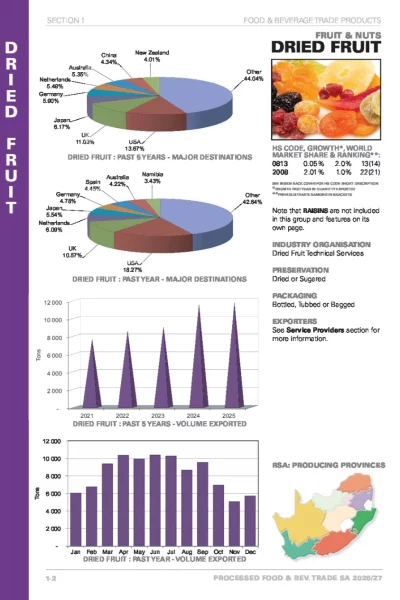
Product lists should follow SKU logic with packaging images that show true scale next to a standard object for interpretation. Among the most overlooked food business online profile tips is image consistency: the same background, resolution, and angles help buyers scan and compare SKUs at speed without guessing sizes.
Food business online profile tips for Social Media Pages
Social bios carry the concise version of the directory listing and should point to a single destination, such as a profile hub or directory listing with enquiry options. Pinned posts can feature a range overview, certifications, and dispatch days, which removes friction for new visitors.
Reply discipline matters; short, courteous responses within business hours signal reliability, and templated answers for stock questions keep tone consistent. These food business online profile tips protect the brand from slipping into casual chatter that confuses B2B buyers who want straight answers before the next procurement meeting.
Visual Identity: Images that Sell in 3 Seconds
The best imagery feels proudly South African without slipping into cliché, using natural light, working surfaces, and realistic production scenes. Thumbnails and hero images should focus on legibility—labels up front, seals visible, and textures clear—so buyers can judge quality markers at a glance.
ALT text doubles as accessibility and SEO, describing product, pack size, and use case in plain language that machines and humans understand. Thoughtful food business online profile tips treat visuals as part of the sales script, not decoration, giving buyers just enough detail to imagine the product on shelf or in service.
Operational Reality: Saying What You Can Actually Deliver
Nothing damages trust like overpromising during a week of Stage-whichever disruption, so build operational constraints into the profile. Cold chain commitments, back-up power plans, and dispatch schedules tell buyers that risks have been thought through and priced in.
SA logistics is improving but still uneven, so food business online profile tips recommend stating standard lead times and peak-season adjustments upfront. Clear return policies and breakage procedures prevent small issues from becoming relationship-ending disputes, especially when goods travel across provinces with multiple handling points.
South Africa’s hygiene and transport requirements are non-negotiable, so profiles should state alignment in plain language. A concise line that references Regulations R638 of 2018 on general hygiene requirements for food premises and transport of food reassures buyers that basics like certificates of acceptability, personal hygiene controls, and vehicle standards are in hand. Add a sentence on temperature monitoring and recall readiness to show real-world application rather than box-ticking. For a quick explainer link that many SMEs recognise, include cold chain management for SMEs to help less technical readers understand the moving parts.
Compliance Corner: Labelling & Claims Without the Headache
Profiles should not mimic a legal notice, yet they should reflect required elements that buyers will check. Country of origin, batch identification, and date marking are not optional extras, and negative claims must avoid misleading language.
While draft labelling rules continue to evolve, food business online profile tips suggest linking to a concise spec sheet that lists allergens, additives, and claim substantiation in plain English. This approach respects both the regulatory environment and the buyer’s time, creating a clear path from discovery to technical approval.

Pricing Clarity Without a Price List
South African buyers expect transparency, but public price lists can backfire when inputs shift. Indicative tiers by volume and channel can satisfy early screening without locking in numbers. food business online profile tips advise stating MOQs, pack sizes, and payment terms, then inviting a quote request via form or email.
Language that discourages tyre-kicking—such as requesting delivery suburb and required date—keeps enquiries high-quality and protects the team from administrative drag that steals production hours.
SEO & GEO Basics for Busy Owners
Discovery hinges on how consistently a business is named and categorised across listings and socials. Name, address, and phone (NAP) must match character for character, including abbreviations, to unlock local and GEO search benefits. Intent-rich keywords like “sauce co-packer,” “private label condiments,” or “bulk marinades supplier Cape Town” help the right buyers find the right profiles.
Practical food business online profile tips recommend structured data on the site and clean directory categories so “near me” logic understands where and how the business serves customers.
Review & Update Cadence
Profiles are living assets, not once-off uploads. A quarterly refresh that aligns with South African seasonality keeps information accurate and campaigns timely.
Updating hero images, new certifications, and changed lead times tells buyers that the lights are on and the team is attentive. These food business online profile tips protect credibility: in a market where things change quickly, the business that updates first often wins first look.
Case Snapshot: Thabo’s Profile—Before and After
Before, the profile led with an artisan narrative, scattered product names, and a phone number buried in a wall of text. After applying food business online profile tips, the headline names the category and use cases, certifications appear near the top, and SKUs are grouped by format with clear images and ALT text.
Pinned social posts match the directory content, and the link-in-bio routes to an enquiry page that captures delivery suburb, channel, and estimated volumes. The brand still feels proudly local, but the operational signals make it retail-ready.
Conclusion: A Profile That Works While You Work
A good profile turns early-morning graft into all-day discovery by meeting buyers where they search and answering what they actually ask. The strongest food business online profile tips keep the message simple, the proof visible, and the operations believable, so the first call arrives with intent already warmed. In a country that rewards grit and clarity, the profile becomes the quiet salesperson who never knocks off early and never misses a dispatch.
FAQ
How long should a directory bio be for B2B buyers?
A short paragraph of 80–120 words works best, using the first line as a proposition with category and use case. Follow with production capacity, lead times, and certifications. Keep contact and CTA visible near the top so buyers do not hunt. This format travels well across most directory character limits while staying readable on mobile.
What images convert best in food directories?
Front-facing pack shots with labels fully legible, plus one angled shot showing texture or usage context, perform consistently well. Include an object for scale, such as a measuring spoon or a 330 ml bottle, so buyers understand sizing instantly. Maintain the same background across the range to help category managers compare SKUs quickly. Add ALT text that describes product, pack size, and intended use.
Should pricing be public in profiles?
Public price lists can cause friction when inputs change. Indicative tiers and MOQs provide clarity without locking rates. A quote CTA that asks for delivery suburb, channel, and approximate volumes keeps the conversation focused and reduces non-serious enquiries. This approach balances transparency with operational reality.
How often should social bios and pinned posts be updated?
Quarterly is a solid baseline, with immediate updates for new certifications, packaging changes, or adjusted dispatch days. Seasonal ranges should roll into pinned posts as they launch. Consistency across platforms helps GEO signals and reduces buyer confusion during shortlisting. Treat updates as maintenance, not campaigns.
What compliance info belongs in a public profile?
Country of origin, allergens, batch identification, and date marking policy are standard signals for buyers. Negative claims should avoid misleading phrasing and be backed by evidence. Linking to a concise spec sheet or data sheet keeps profiles clean while giving technical teams what they need. This keeps approval cycles moving.
How much “story” is the right amount?
One tight paragraph that ties product to region, sourcing, and craft is enough. The rest should switch to proof—certifications, volumes, and lead times. Buyers appreciate personality, but decisions hinge on risk and readiness. Keep it proudly local and decisively practical.
What’s the quickest win if time is tight this week?
Align titles, tags, and contact details across the top three directories and social pages, then add a pinned post with range overview and dispatch days. Upload consistent pack shots with ALT text. These moves raise credibility and search performance without heavy lifting.