Introduction
It is still dark outside, and the first message lands before sunrise. A buyer has a listing window, a warehouse slot, and a delivery date that will not move. In that kind of pressure, a supplier relationship is either a stabiliser or a silent risk waiting to show itself. That is why a supplier vetting checklist food process is not admin for admin’s sake, it is the quickest route to confidence.
Table of Contents:
TL;DR: Key Takeaways
- Use a supplier vetting checklist food flow that starts with risk, then asks for proof.
- Treat traceability solutions South Africa food as a minimum, not a nice-to-have.
- Build recall readiness checklist habits before a crisis forces them.
- Vet capacity, lead times, and logistics with the same seriousness as compliance.
Why supplier vetting feels tougher in South Africa right now
South African supply chains can be brilliant, and they can also be unforgiving. A single missed dispatch can cascade into write-offs, chargebacks, and reputational damage with the next buyer. For SMEs, the pressure is not only from procurement, it is from real-world constraints like power interruptions, variable logistics performance, and input cost swings. Buyers respond by leaning harder on proof because good intentions do not protect a delivery window.
The reality of tight timelines and fragile margins
Buyers are measured on continuity, not on empathy. If stock does not land, a category plan is disrupted, and the buyer is the person who must answer for it. That is why food suppliers South Africa are often assessed with a faster, more structured process than smaller suppliers expect. The goal is not to catch anyone out, it is to reduce uncertainty quickly.
Why “good on paper” still fails in real life
A supplier can look perfect in a pitch deck and still fail on the floor. The problem is usually a weak control that was never tested under pressure, like batch coding that is inconsistent or a lab result that arrives after product has already moved. A supplier vetting checklist food approach forces those controls into the open early. It turns risk into a set of practical questions with evidence attached.
What a supplier vetting checklist food process actually is
A supplier vetting checklist food process is a repeatable set of questions that helps buyers compare food suppliers South Africa fairly. It is not a single document, it is a workflow: request evidence, verify it, and score it. It also sets expectations on what “credible” means for this product category, channel, and risk profile. When done well, it saves time for both sides because it reduces vague back-and-forth.
From “sales pitch” to “verifiable proof”
A pitch says, “quality is important”. A buyer hears, “show the controls”. Proof looks like current certificates, a traceability record, a COA tied to a batch, and a corrective action log that shows how issues are handled. The supplier vetting checklist food structure makes proof easy to request and easy to review. It protects the supplier too, because it reduces misunderstandings that later become disputes.
Where the checklist sits in the buyer workflow
Most buyers run a shortlist, then deeper due diligence, then a trial order. The supplier vetting checklist food stage sits between “interesting” and “approved”. It is the point where a supplier becomes a low-risk option or gets parked until gaps are fixed. When the checklist is clear, improvement becomes practical rather than emotional.
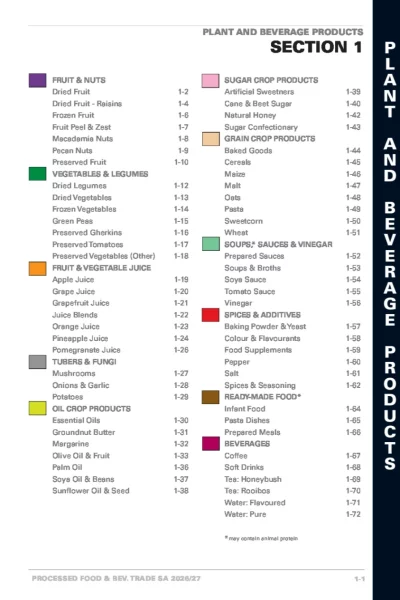
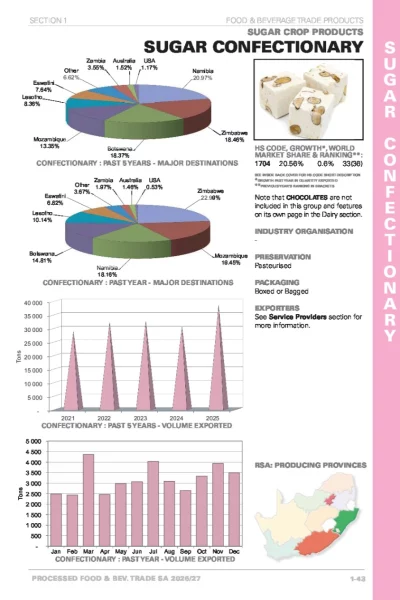
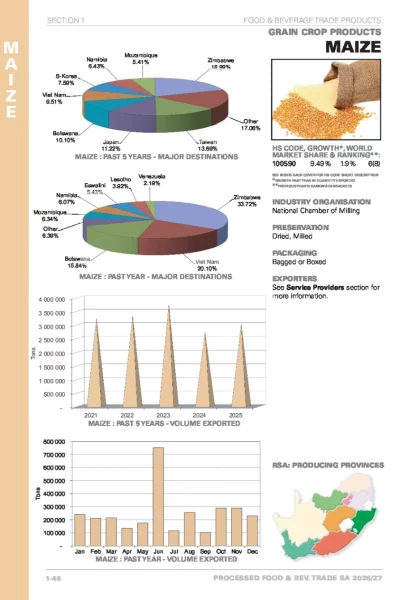
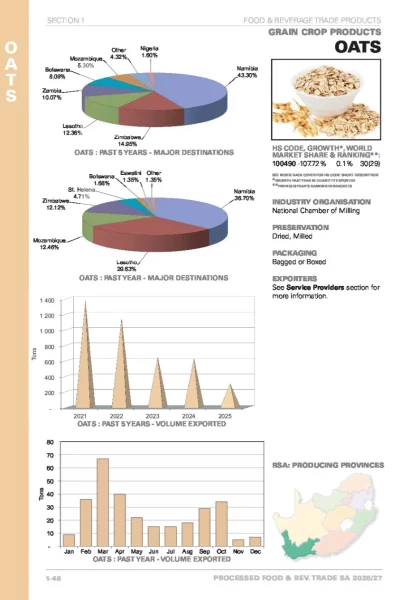
A supplier-vetting process works best when it begins with a focused and relevant shortlist. The Food Trade Directory South Africa helps buyers identify potential manufacturers, suppliers, distributors and service providers before requesting documentation or arranging assessment calls. Once the shortlist has been created, the questions in this checklist can be used to compare candidates consistently and identify any gaps requiring further verification.
Before the 10 questions: set the ground rules
Define “credible” for the category before the first meeting. A chilled product needs cold chain discipline; an ambient product needs shelf stability and packaging integrity. Set the risk level upfront, because high-risk products require stricter proof and tighter timelines. Request documents once in a single proof pack, otherwise the process drags and everyone gets frustrated.
Define what “credible” means in this category
Credibility is not a vibe, it is evidence that the basics are controlled. For chilled lines, temperature discipline matters more than pretty packaging. For ambient lines, shelf life validation and packaging integrity may carry more weight. This is where traceability solutions South Africa food and a recall readiness checklist become non-negotiable foundations.
Decide the risk level before the meeting
Not every product carries the same risk. Ready-to-eat items, allergens, chilled products, and high-volume retail lines usually demand tighter controls and faster evidence. Lower-risk products still need proof, but a buyer may accept a phased roadmap as volumes grow. The supplier vetting checklist food stays the same, only the thresholds change.
Request documents once, not five times
A single proof pack request reduces pain. It asks for core documents, labels, specs, and traceability examples in one go, with dates and product names that match what is being offered. If a supplier sends incomplete files, that itself is useful information about readiness. This is where many supplier relationships either become “easy” or become “hard”.
The 10 questions South African buyers ask first
Can you prove legal compliance for your operation and products?
This is usually the first gate because a buyer cannot take reputational risk for basic non-compliance. Start with the government reference for general hygiene requirements for food premises and transport via the official regulations portal. Ask for current proof that matches the site and product, not a generic file from another line. A supplier vetting checklist food review becomes simple when documents are current, consistent, and clearly owned.
Fast proof to request
Request the Certificate of Acceptability where applicable, recent inspection outcomes, and allergen controls relevant to the site. Ask for a label file that matches the product on offer, not a “sample label” from last year. Ask for a one-page product spec listing ingredients, allergens, storage, and shelf life. These basics speed up every other step.
Red flags buyers spot quickly
Watch for missing dates, mismatched product names, and certificates that do not match the actual premises. Watch for labels that promise claims without supporting evidence. Watch for vague answers like “that’s handled by the consultant”, with no internal ownership. Buyers read this as risk, not as a small admin issue.
What is your traceability system, from ingredient to batch to customer?
Traceability solutions South Africa food are a buyer’s shortcut to confidence. The question is not whether there is software, it is whether a batch can be traced quickly and accurately. Expect a buyer to ask for a real trace example: an incoming ingredient lot, a production batch record, and where that batch shipped. If the story breaks anywhere, the supplier is not buyer-ready.
Practical traceability solutions South Africa food for SMEs
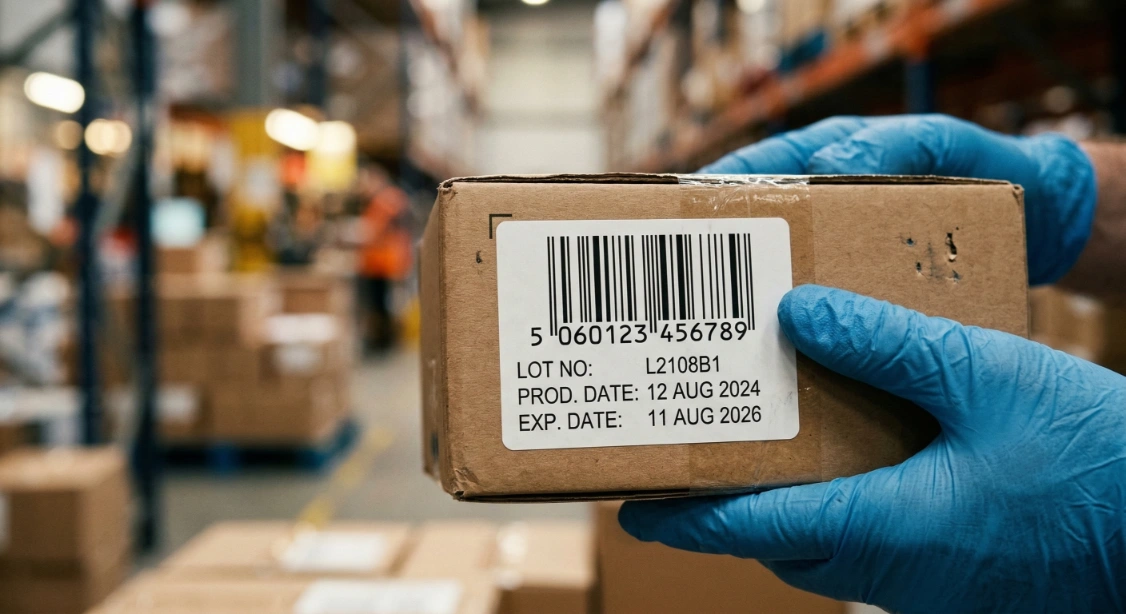
A minimum viable system can be simple: clear batch codes, disciplined recording, and one source of truth for lot numbers. Spreadsheets can work if they are controlled, backed up, and consistently used. Labels must match records, and records must match dispatch. Reliability beats complexity every day.
If something goes wrong, what is your recall readiness checklist plan?
A recall readiness checklist is not a binder that gathers dust. Buyers want to see roles, triggers, and communications, plus evidence the plan has been tested. A supplier that has run a mock recall can answer calmly and clearly. A supplier that has not will often over-explain and still miss key steps.
Mock recalls and release discipline
A mock recall proves whether traceability works under pressure. It also proves whether contact lists are current and decision-making is clear. Buyers listen for a defined trigger, a defined communication process, and lessons learned. This is where traceability and recall readiness become real, not theoretical.
What third-party standards or audits can you show, and what do they cover?
Standards are not a guarantee, but they are a signal. Buyers want to know what was audited, when it was audited, and what issues were found and closed. The key is relevance to the channel, not name recognition. A supplier vetting checklist food capture should include the scope, the site, and the validity dates.
Picking the right standard for the channel
Retail and export channels often lean on stronger evidence than informal trade. Some buyers accept HACCP-aligned systems, while others want internationally benchmarked schemes. What matters is alignment to buyer requirements and the ability to show records that support claims. A supplier who explains scope in plain language usually runs a more mature system.
What is your real capacity, and what is your constraint?
Capacity is not only about maximum output, it is about predictable output. Buyers ask about line capacity, seasonal constraints, and what happens when demand spikes. In South Africa, power and labour constraints can be real bottlenecks, so buyers ask what has been put in place to manage them. If the answer is vague, the risk score climbs quickly.
Line speed, labour, and power risks
A credible supplier can explain a normal week, a peak week, and the limiting step. They can also show what happens when refrigeration fails or a key input is delayed. A supplier vetting checklist food prompt for continuity planning is helpful because it forces practical thinking. A basic plan is better than pretending the risk does not exist.
What are your lead times, MOQs, and changeover rules?
Lead times that only work on quiet weeks do not count. Buyers ask for lead time ranges and what shifts those ranges, like packaging delays, changeover complexity, or seasonal demand. They also ask how orders are prioritised when the schedule is full. A supplier vetting checklist food approach keeps these answers consistent and evidence-based.
How buyers stress-test lead times
A buyer may ask the lead time for repeat orders versus new SKUs. They may ask how long artwork approvals and label sign-off typically take. They may also ask how forecasting is updated and what happens when forecasts are wrong. Strong suppliers answer with process, not hope.
How do you manage quality release, COAs, and non-conformances?
Buyers ask for COAs, but they also ask what happens when a result is out of spec. A COA that arrives late is a risk because it turns into reactive firefighting. Buyers want to know who signs release and what records support that decision. This is operational maturity, not bureaucracy.
COAs that mean something
A credible COA links to a batch, a sampling plan, and a lab method. It is not a generic certificate that never changes. Where possible, show trend evidence for repeated risks, even if it is simple. The supplier vetting checklist food question is really about release discipline.
How do you control cold chain or shelf stability end-to-end?
Cold chain is often where good suppliers become great suppliers, or where weak suppliers fall apart. Buyers ask how temperatures are monitored, how handovers are managed, and what happens when a truck is delayed. For ambient products, buyers ask about shelf life validation, storage conditions, and packaging integrity. A supplier vetting checklist food process should prompt visible evidence, not promises.
Where spoilage risks hide
Spoilage risk hides in loading bays, waiting time, and messy handovers. It also hides in packaging choices that do not match distribution realities. Strong suppliers can show temperature logs, storage SOPs, and handling instructions. Those documents do more than any sales claim ever will.
What is your route-to-market readiness: packaging, barcodes, and product data?
Even if the product is excellent, buyers still need operational basics: consistent case sizes, barcode readiness where required, and product data that matches what is delivered. Labels must align to regulatory basics and buyer expectations. Use the Department of Health’s food control guidance to understand why these checks exist and what “informed choice” is meant to protect. A buyer sees missing data as friction and risk.
The “proof pack” buyers want in week one
Many buyers want the same bundle: specs, labels, allergen controls, shelf life, and traceability examples. They also want a clear contact point for quality and operations. A supplier vetting checklist food bundle makes onboarding smoother because it reduces “send it again” loops. When the proof pack is consistent, buyers often move faster.
Who else buys from you, and can references be verified?
Buyers ask for references, but they do not want name-dropping. They want proof that deliveries are consistent and that issues are handled professionally. Provide one operational reference and one quality reference, with context on what was supplied and for how long. If references must stay anonymous, provide a verified contact under NDA.
References without name-dropping
Offer a short, structured reference summary instead of hype. Include the product type, delivery cadence, and what service level expectations looked like. Buyers listen for consistency and transparency. This is one of the easiest places to build trust quietly.
A simple 100-point scoring rubric buyers use
A scoring rubric keeps decisions fair and reduces bias. Allocate 30 points to compliance and safety controls, because this is often a gate. Allocate 30 points to reliability, including capacity realism, lead time discipline, and continuity planning. Allocate 25 points to traceability solutions South Africa food and recall readiness checklist proof, including a quick trace exercise. Allocate 15 points to commercial fit like MOQs, packaging fit, and route-to-market readiness.

How to apply the checklist without slowing down the business
Run the supplier vetting checklist food process in three rounds. Round one is a proof pack review that should take one to two hours per supplier once files are complete. Round two is a structured call that follows the ten questions, with gaps captured as actions. Round three is a small trial order with release discipline, trace checks, and a post-delivery review.
Treat the supplier vetting checklist food as a living workflow, not a once-off form. Keep the supplier vetting checklist food questions in the same order every time so comparisons stay fair. If a supplier is improving, re-run only the sections that changed, rather than restarting the entire process. That is how vetting stays strict without becoming slow.
Use Food and Beverage Trade South Africa to shortlist faster
Shortlisting works best when it starts with credible categories and clean comparisons. Use the Food Trade Directory South Africa buyer shortlist hub to build a shortlist before outreach begins, then apply the supplier vetting checklist food scorecard to compare two or three candidates. Use the Food Label Compliance Checklist before the first meeting to catch obvious label and claim risks early. For manufacturing partnerships, use the co-packer selection checklist to confirm capacity, changeovers, and quality ownership before signing.
Conclusion
Supplier vetting is not a price exercise, it is a risk decision that affects quality, continuity, and buyer confidence. When expectations are defined upfront, the shortlist becomes smaller and better, and site visits become verification rather than guesswork. A supplier vetting checklist food workflow keeps decisions consistent, even when the market gets noisy. When the supplier vetting checklist food is consistent, buyers compare suppliers fairly and SMEs know exactly what to fix.
FAQ
What makes a food supplier credible in South Africa?
Credibility is proof of controlled basics: hygiene, consistent records, and predictable delivery. Buyers look for evidence that matches the actual site and product, not generic documents. Strong traceability solutions South Africa food and a tested recall readiness checklist are usually the clearest signals. Consistent communication when issues arise also counts.
How long should supplier vetting take for an SME?
With a clear proof pack, many initial checks can be done in a week. The slow part is usually missing documents and unclear ownership of answers. A supplier vetting checklist food template reduces delays because it asks for everything once. Keep the supplier vetting checklist food proof pack request standardised to avoid repeat admin.
Do buyers expect big certifications from small manufacturers?
Not always, but buyers do expect controls that can be demonstrated. Some channels require specific schemes, while others accept HACCP-aligned systems if records are strong. The key is to show what is in place and what is being improved. A supplier vetting checklist food scorecard helps frame this fairly
What traceability level is the minimum most buyers accept?
At minimum, a batch code must link to ingredients, production date, and dispatch customer. Records should be easy to retrieve and consistent across batches. Simple traceability solutions South Africa food can work if discipline is strong. Buyers often test this by asking for a live trace exercise.
What is the biggest mistake suppliers make during vetting?
Over-promising lead times and under-explaining constraints. Missing documents and inconsistent labels are also common failures. A supplier vetting checklist food process makes these gaps visible before they become costly. Fixing gaps early is usually cheaper than fixing them mid-crisis.