Introduction: The real picture of starting a food business in South Africa
It is still dark outside when the first lights flicker on in a small production kitchen on the outskirts of Cape Town. Pots simmer with chilli, garlic, and herbs while staff move between stainless steel tables, labelling bottles and checking orders that need to reach a deli in town by mid-morning. In the middle of it all stands the owner, quietly calculating how many units must move this week just to cover rent, salaries, ingredients, and transport. This is the daily reality behind the dream of starting a food business in South Africa, where passion for flavour meets the hard edge of logistics, regulation, and cash flow.
For many South Africans, starting a food business in South Africa feels like one of the most natural ways to turn a family recipe or community favourite into a formal income. The country has a strong culture of informal traders, home industries, and side hustles that sell food at markets, taxi ranks, and office parks. Yet the moment a business moves from a once-off market stall to regular production and deliveries, everything changes. Suddenly issues like cold chain, municipal approvals, and reliable vehicles can make or break the operation long before a supermarket buyer tastes the product.
This checklist is designed to guide readers step by step through how to start a food business in South Africa in a way that is practical and honest. It covers concept development, compliance, money, and market access while weaving in the transport and logistics decisions that often get left until too late. The goal is not to sugar-coat the journey, but to help serious entrepreneurs avoid common pitfalls so that each delivery that leaves the premises brings them closer to a sustainable, long-term business.
Table of Contents:
TL;DR: Key Takeaways
- Starting a food business in South Africa is not just about the recipe, it is about building a system that can produce, store, and move food safely every single week.
- The entrepreneurs who survive tend to be those who treat compliance, cash flow, and logistics with the same respect as flavour and branding.
- A realistic route-to-market plan, backed by reliable transport and cold chain partners, will often matter more than fancy packaging when it is time to get stock on shelf.
The opportunity: Why the food industry suits South African SMMEs
The food and beverage industry plays a significant role in South Africa’s manufacturing and SMME landscape. Research from the Banking Association, cited by local development agencies, notes that SMMEs make up about 91 percent of formal businesses and provide employment to roughly 60 percent of the labour force. This includes thousands of small manufacturers, caterers, bakeries, and processors that keep supermarket shelves stocked and supply food service outlets daily.
Within the food and beverages sector itself, small and micro businesses contribute a major share of income and jobs, especially in urban and peri-urban areas where informal and formal operations sit side by side. A Stats SA analysis on industry dominance highlights that small and micro firms account for a large portion of total income and employment in food and beverages, giving smaller operators a meaningful foothold in the value chain.
This means that starting a food business in South Africa is not a fringe activity, but part of a recognised engine of growth. The opportunity is real, but so is the competition.
Across the country there are an estimated three million medium, small, and micro-entrepreneurs employing more than 13 million people, many of them in consumer-facing sectors such as food. The food and beverages division also remains an important contributor within manufacturing, even when short-term output fluctuates.
Stats SA’s monthly manufacturing reports regularly show food and beverages as one of the largest divisions in terms of production and sales. For a new entrant, this points to a sector with depth, but also to the need for disciplined operations and tight logistics to compete with established players that already run efficient supply chains.
Logistics sit in the middle of this opportunity. It is one thing to make a sauce or baked product that everyone loves at a Sunday braai, and quite another to deliver it consistently to a retailer in another province, at the right temperature and with the right paperwork.
Transport infrastructure, fuel costs, port congestion, and urban congestion all influence how far and how fast a small food business can grow. Entrepreneurs who “make a plan” with logistics early on are far more likely to keep their promises to customers when the roads, power grid, or supply chain throw a curveball.
What the numbers say about small food businesses
Statistics South Africa’s structural industry reports show that small and micro firms carry a surprisingly large share of income and jobs in food and beverages. One official analysis notes that in the food and beverages sector, small and micro businesses account for a majority share of both income and labour participation.
This matters because it confirms that the sector is not dominated only by a handful of big factories, but still leaves room for nimble operators that serve niche markets or specific regions.
At the same time, reports on the wider SMME ecosystem highlight how dependent the country is on these businesses for livelihoods. For example, one national study estimates that SMMEs supply over a third of gross domestic product and a majority share of jobs, underscoring their role in stabilising communities during economic shocks.
In practical terms, this means that every delivery van leaving a small factory in a township or rural town is not just carrying stock, but also wages, school fees, and loan repayments. A missed delivery due to a failed vehicle or poor planning can ripple through many households.
For those considering how to start a food business in South Africa, these numbers underline both the opportunity and the responsibility. A well run, compliant operation that pays attention to logistics can grow from a side hustle into a serious employer.
A poorly planned venture that ignores transport, cold chain, and documentation can burn cash quickly and leave suppliers unpaid. Getting the basics right early gives a founder far more room to manoeuvre when markets shift or transport costs rise.
Logistics and supply chain realities new founders face
Logistics in South Africa can feel like a moving target. Load-shedding disrupts cold rooms and freezers, which can damage stock if contingency plans are weak. Road conditions vary between regions, and congestion around big cities can turn a quick delivery into a long, fuel-heavy trip.
Courier networks do reach most towns, but not every courier is equipped or willing to handle cold or frozen goods, and many charge premiums that eat into already thin margins.
New food businesses often underestimate how much time and money will be spent simply moving goods from suppliers to factory and from factory to customer. Each step adds risk, from a bakkie breaking down on the N1 to receiving pallets late from a supplier that did not manage to get export containers cleared on time.
For small operators, the answer is not to become logistics experts overnight, but to build modest, reliable routes using partners and schedules that suit their scale. In many cases, starting small with a limited delivery radius and scaling routes deliberately is a better strategy than promising nationwide deliveries from day one.
Clarify the concept: From recipe to viable food business model
Before worrying about licences and inspectors, it is important to decide exactly what sort of food business is being built. The options range from a micro manufacturer supplying sauces or baked goods, to a catering company, shared kitchen, or food truck, to a ghost kitchen servicing delivery apps.
Each model comes with its own regulatory and logistics profile. For example, a frozen dumpling producer will face different transport needs from a salad bar or a peanut butter brand.
The concept should answer a few key questions. Who will buy the product, in what quantities, and how often. Will orders be made in advance or on demand.
What level of shelf life is realistic without adding ingredients that conflict with the brand values. How many locations must be supplied consistently in order to break even. These questions directly influence vehicle size, delivery frequency, packaging, and warehousing needs, which all carry costs.
Transport and logistics must be baked into the concept, not treated as an afterthought. A business that sells fresh items that only last two days after production will need tightly planned local routes and early-morning deliveries.
A shelf-stable pantry product might move more slowly and can travel further, but requires reliable upstream logistics for packaging, ingredients, and distribution partners. By aligning concept and logistics early, the founder reduces the risk of promising what the delivery fleet and storage cannot realistically support.
Route to market and how it affects your logistics
There are several main routes to market in the South African food sector, and each one brings specific logistics implications. Selling direct to consumers at markets, online, or via a small retail outlet gives more control over pricing and brand story, but it places the full delivery responsibility on the business.
Supplying independent retailers, delis, and cafes spreads the load but requires regular, punctual deliveries, often on set days when receiving staff are available.
Working with wholesalers and distributors can unlock access to many stores at once, but these partners usually demand strict adherence to delivery windows, pallet standards, and paperwork.
Exporting adds further complexity in the form of container booking, port handling, and international cold chain. In every case, the chosen route to market determines whether a business needs one bakkie, a fleet of refrigerated vehicles, or a standing arrangement with a specialist logistics provider.
Entrepreneurs planning on starting a food business in South Africa should sketch their preferred route-to-market on paper and map the transport steps for each stage. This does not need to be a complex diagram, just a clear flow from ingredient suppliers to production, on to warehousing, and finally to customers.
Once the flow is visible, it becomes easier to spot pressure points, such as long rural routes, cross-border deliveries, or high-risk cold chain segments, and to plan around them intentionally.
Product and recipe development checklist
The starting point for any food venture is a product that can be made consistently, tastes as intended, and can survive the journey from kitchen to consumer. Standardising recipes transforms a family favourite into a repeatable formulation with precise measurements, yields, and process steps.
It becomes important to document ingredients by weight, identify critical control points such as cooking time and temperature, and record batch sizes. This documentation supports future food safety audits, but it also helps staff maintain quality when the founder is not on site.
Shelf-life testing is often overlooked but plays a central role in logistics planning. A chilled sauce that lasts twelve weeks unopened in the fridge can be produced in larger batches and moved further afield than one that spoils in seven days.
Simple tests can be run informally at first, but proper microbiological testing through an accredited laboratory gives more confidence and helps support claims to retailers. The shelf life determined here will later feed into labelling, stock rotation, and route planning, so it is worth doing properly.
Packaging and format must also be considered at this stage. Glass jars, pouches, tubs, and sachets all carry different risks in transport, from breakage to leakage or crushing. The choice of packaging affects pallet configuration, carton design, and even which couriers will accept consignments.
A lighter, more durable format might save fuel and reduce transport damage, even if it costs slightly more upfront. Thinking about how products will stack in a vehicle or cold room while still in development can prevent many headaches later.
Transport and logistics implications at this stage
The decision to produce ambient, chilled, or frozen products fundamentally shapes all later logistics decisions. Ambient products can often ride in normal vans or on third-party courier networks with less risk, while chilled and frozen goods require reliable cold rooms, insulated vehicles, and temperature monitoring.
The more temperature sensitive the range, the more tightly controlled routes and delivery windows need to be. A founder who chooses a frozen line should budget for higher transport costs from the start, rather than hoping to treat frozen goods like normal parcels.
Premises, equipment, and layout that inspectors and drivers appreciate
Once the product concept is clear, the next question is where it will be made. South African municipalities differ in how they treat home kitchens, shared kitchens, and light industrial units, but in all cases the production area must meet hygiene and structural requirements.
Regulation R638 sets out detailed general hygiene requirements for food premises and the transport of food, which apply regardless of scale. Surfaces must be washable, handwashing facilities must be adequate, and there must be clear separation between raw and cooked areas.
Equipment must be selected not just for production capacity, but also for cleaning, maintenance, and space efficiency. Large fixed equipment that cannot be moved may complicate cleaning and pest control.
Smaller modular equipment can be rearranged as the business grows, allowing for better workflow between receiving, preparation, cooking, packing, and dispatch. The layout should minimise cross-traffic between raw and finished goods and should allow delivery staff to access dispatch areas without walking through sensitive zones.
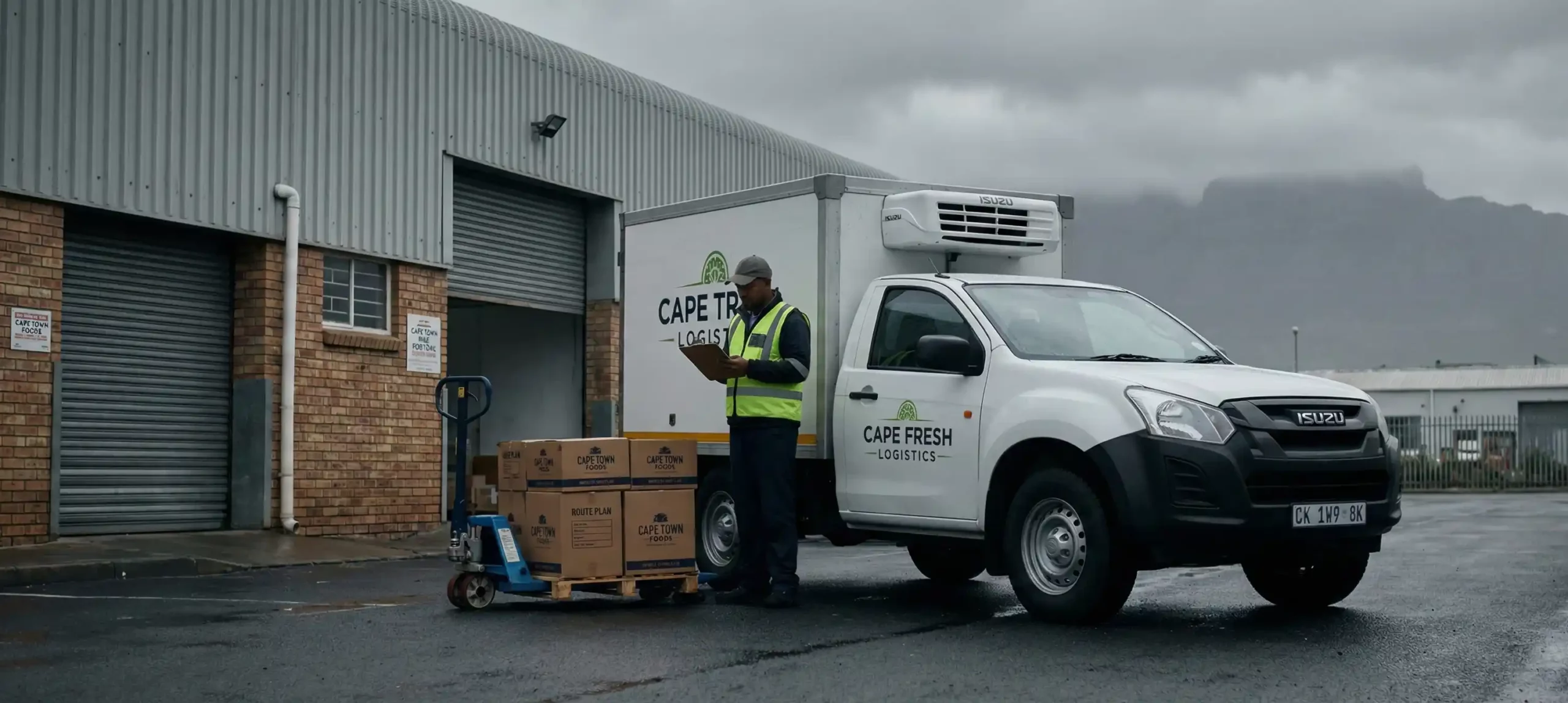
From a logistics point of view, the physical location of the premises matters more than many new founders realise. A site that is close to major routes, has safe access for vehicles, and offers enough space for loading and unloading will save time and fuel daily.
A site hidden down a narrow cul-de-sac may be cheaper, but can become a nightmare when larger delivery vehicles or third-party logistics firms need to collect pallets. Factoring in ease of access, parking, and nearby fuel stations at the outset makes routine transport smoother.
Transport and logistics implications at this stage
When scouting premises, future delivery routes and vehicle types should be considered deliberately. A business that intends to supply supermarkets in several provinces should think carefully before choosing a site that is far from national routes or prone to flooding.
Even for small urban producers, proximity to customers and suppliers will influence delivery lead times and petrol usage. Choosing premises in a location that suits both inspectors and drivers is one of the most practical decisions a founder can make.
Business registration, tax, and basic compliance
Once the location and concept are settled, it is time to formalise the business. Registering a company with the Companies and Intellectual Property Commission creates a legal entity that can sign contracts, open a business bank account, and be taken seriously by larger buyers.
Tax registration with the South African Revenue Service is compulsory, and depending on projected turnover, voluntary or compulsory VAT registration may apply. These steps can feel administrative, but they form the backbone of relationships with retailers, logistics providers, and financial institutions.
Formal registration supports better transport and logistics agreements. Many reputable logistics providers and couriers will only offer business accounts to registered entities that can supply company documents, proof of address, and tax numbers.
Retailers and distributors also request these documents before onboarding a supplier, partly to manage risk and partly to ensure compliance with their own policies. A founder who delays registration may find that orders are promised but cannot be invoiced, and deliveries must be handled informally with cash, which complicates record-keeping.
Transport-related contracts, such as leases for vehicles or agreements with third-party logistics firms, are much easier to manage under a registered entity. Insurance, accident claims, and liability for damaged goods are more straightforward when there is a clear legal entity in place. For those starting a food business in South Africa with hopes of scaling, getting the company structure and tax affairs in order early can prevent stress later when the first large buyer asks for a full compliance pack.
Transport and logistics implications at this stage
Formal registration opens the door to better transport rates and terms. Business accounts with fuel providers, couriers, and vehicle finance houses often require company documentation. With these in place, a small business is better positioned to negotiate favourable terms, access credit, and join trade networks that improve access to vetted logistics partners.
Food safety law and the Certificate of Acceptability
South African food businesses operate under several pieces of legislation, but one of the most important for everyday operations is the Foodstuffs, Cosmetics and Disinfectants Act and its associated regulations. Regulation R638 of 2018 sets out general hygiene requirements for food premises, the transport of food, and related matters, and it applies to both big and small operators.
Among other things, it covers structural standards for premises, hygiene training, pest control, and record-keeping for temperature and cleaning.
A key requirement from R638 is the need for a Certificate of Acceptability. Guidance from municipal authorities explains that a Certificate of Acceptability is obtained through submitting an application at the local authority office, after which an inspector checks compliance.
In practice, this means that a health inspector will visit the premises, assess layout, equipment, and hygiene practices, and only then sign off the certificate. The certificate must be displayed in a visible place on the food premises once issued.
Industry guidance on how to start a food business in South Africa emphasises that compliance with R638 is not optional. A widely referenced food safety guide states that since the introduction of Regulation R638, all food handling businesses are legally required to comply with specific hygiene and operational standards.
This includes restaurants, tuck shops, food trucks, and small manufacturers. Compliance is not only about avoiding fines, but also about protecting customers, winning trust, and enabling contracts with larger buyers who require evidence of a robust food safety management system.
From a logistics perspective, R638 has direct implications for transport. Vehicles used to move food must be kept clean, must protect food from contamination, and must maintain temperature where required. Records of temperatures, cleaning, and maintenance are expected, especially for refrigerated vehicles.
For a young business, this can be managed through simple log sheets and clear responsibilities, but it must not be ignored. A delivery that arrives at a retailer with melted or temperature-abused stock can lead to rejected pallets, wasted fuel, and damaged relationships.
Food business licence and municipal approvals
In addition to the Certificate of Acceptability, many food businesses also need a business licence in terms of the Businesses Act 71 of 1991 and relevant local by-laws. The Act aims to regulate licensing for certain categories of business, including those that sell food for on-site or off-site consumption, sell perishable food, or operate restaurants and similar establishments.
Municipal guidance documents point out that it is an offence to operate certain businesses without a business licence.
Local authorities usually handle licence applications, zoning approvals, fire safety clearances, and signage permissions. Requirements differ between municipalities, so it is important to check the specific by-laws where the business will operate.
For example, a food truck may need a different type of licence from a fixed restaurant, and both may be subject to restrictions on trading hours or locations. In some areas, informal hawkers must apply for trading permits rather than full licences, but they are still subject to environmental health checks.
Delays in licences can delay trading, which in turn disrupts planned deliveries and supplier arrangements. Entrepreneurs often secure suppliers, packaging, and even vehicles before licences are finalised, only to find that they cannot legally open the doors.
This creates cash flow pressure, especially where rent and staff costs have already started. A more cautious approach is to sequence commitments so that licences and certificates are well under way before signing long, fixed-term contracts with logistics providers.
From a transport point of view, licences also intersect with issues like parking, noise, and traffic flow. A municipal health officer or planning department may raise concerns about delivery vehicles blocking pavements or causing congestion in quiet residential streets.
Addressing these matters upfront by planning delivery windows, using smaller vehicles, or sharing off-loading areas with neighbouring businesses can prevent complaints and potential enforcement actions later.
Cold chain, storage, and transport planning from day one
Food businesses live or die by their control of time and temperature. A robust cold chain plan should begin with an honest audit of what equipment is available, what backup power exists, and how products move between different temperature zones.
For chilled and frozen products, reliable refrigeration is non-negotiable. This may involve fridges and freezers, but could also extend to small cold rooms or shared storage with a third-party cold store.
Transport must align with storage. There is little point in maintaining perfect cold chain in the factory if products are then moved in open vehicles for hours in summer heat. Options range from insulated cooler boxes with ice packs in a small bakkie to dedicated refrigerated trucks or outsourced cold-chain services.
The right choice depends on product sensitivity, delivery distance, and order volume. For many new ventures, starting with short, tightly controlled routes using smaller vehicles is a sensible stepping stone before investing in larger capacity.
Load-shedding adds another layer of complexity. Backup options include generators, battery inverters, or partnering with cold stores that have their own power solutions. Each has cost implications, but losing batches of product due to power cuts can be even more expensive.
Planning delivery schedules around load-shedding where possible, and monitoring temperatures continuously with simple loggers or manual checks, helps reduce risk. In the South African context, this kind of planning is not optional, it is part of doing business.
Packaging, labelling, and traceability that build trust
Legal labelling requirements in South Africa require clear ingredient lists, allergens, net weight, producer details, and date marking. Mislabelled products can attract enforcement action, product withdrawals, or damage to reputation.
Getting labelling right from the start is one of the smartest investments a food entrepreneur can make. Packaging should also communicate storage instructions, such as “keep refrigerated” or “store in a cool, dry place”, which directly link to distribution and shelf handling.
Traceability is another pillar of food safety and logistics. Batch coding allows a producer to trace stock back to a production date and set of ingredients. This becomes critical if a quality issue is found, because it enables targeted recalls rather than blanket withdrawals.
Basic systems can be as simple as a spreadsheet and printed batch codes, while more advanced operations may use barcodes or QR codes. The important point is that every box and unit tells the story of where it came from and when.
From a transport angle, packaging must protect the product during loading, transit, and off-loading. Sturdy outers, shrink wrap, and pallets help prevent damage, but they must be balanced against cost and environmental considerations.
Cartons should be sized to fit standard pallets and delivery vehicle dimensions to avoid wasting space. For export, additional requirements may apply regarding materials, labelling, and documentation, so packaging choices should leave room to adapt if export becomes a goal.
Money matters: Costing, pricing, and cash flow in a food business
Financial planning often receives less attention than recipe development, yet it is central to survival. Costing must include ingredients, packaging, labour, rent, utilities, and a realistic estimate of logistics costs.
Fuel, maintenance, tyres, tolls, and driver wages can add up quickly, especially when delivering to far flung customers. Without accurate costing, pricing may under-recover costs, leading to a situation where sales grow but losses deepen.
Payment terms also shape cash flow. Retailers and larger buyers frequently work on thirty, sixty, or even ninety day cycles, which can place strain on a young business that must pay staff and suppliers much sooner.
Factoring in these gaps early and building a small cash buffer reduces the risk of missing deliveries due to lack of fuel or vehicle repairs. In some cases, it may be wiser to start with smaller customers who pay more quickly, even at lower volumes, until the business can handle longer payment cycles.
Working capital for logistics should be ring-fenced as far as possible. That means setting aside money for fuel, maintenance, and emergency repairs instead of using every spare rand for new equipment or branding. In rural areas, where distances are greater, these costs can be especially significant.
A founder who treats transport as a fixed, non-negotiable line item, much like rent, is less likely to cancel or delay deliveries when cash is tight.
Suppliers, distributors, and delivery partners you can rely on
Reliable suppliers and logistics partners form the backbone of any food business. Ingredient suppliers, packaging firms, cold stores, and transport companies must be chosen with care.
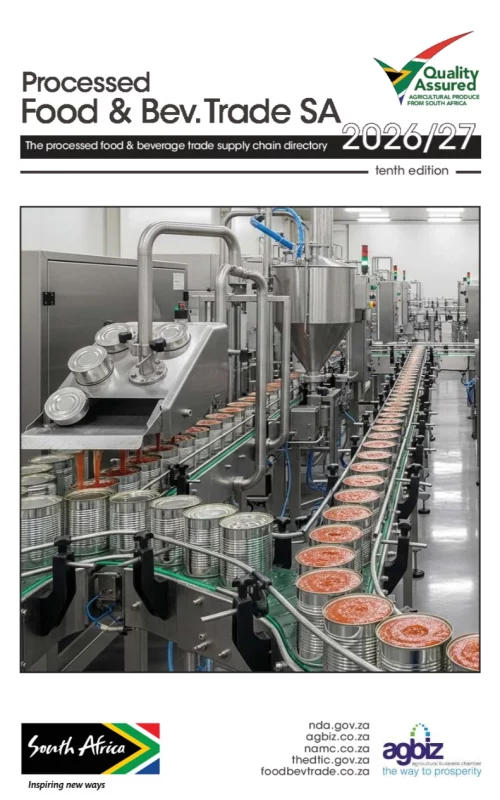
Platforms such as Food and Beverage Trade South Africa host resources like Fresh Food Trade SA and other directories that connect buyers with vetted producers, logistics providers, and service firms in the food value chain. Using a South Africa food trade directory can save time and reduce risk compared to relying only on word of mouth.
When selecting delivery partners, a few criteria help. These include track record in handling food, ability to maintain required temperatures, insurance cover for goods in transit, and willingness to work with smaller volumes at the beginning.
Written agreements should clarify responsibilities for delays, temperature breaches, and damaged goods. It is better to have these conversations upfront than to argue over a rejected pallet later.
For some businesses, especially in early stages, it may be more practical to handle deliveries internally within a limited radius. As volumes grow, outsourcing some or all routes to specialist providers can free up time and reduce complexity.
The key is to recognise that every missed or late delivery erodes trust, so logistics partners must be treated as extensions of the brand. Choosing partners who understand the pressure on SMEs and are prepared to walk the road with them can make a huge difference.
Marketing, sales channels, and repeat orders
Marketing for a small food business in South Africa typically combines digital tools with physical presence. Social media, simple websites, and messaging apps help tell the brand story, share behind-the-scenes moments, and announce stockists.
Farmers’ markets, pop-up stalls, and in-store tastings bring the product directly to mouths and allow immediate feedback. The most effective marketing efforts are those that are backed by the ability to fulfil orders reliably once interest is sparked.
Sales channels should be chosen with logistics in mind. Selling to customers in a tightly defined geography allows for efficient routes and predictable delivery days. Shipping across the country from day one may look attractive, but courier delays, high transport costs, and complex returns can quickly become painful.
For refrigerated or frozen goods, shipping beyond a core radius is particularly challenging unless strong cold chain arrangements are in place.
Repeat orders are the lifeblood of any food business. Customers and retailers come back when products arrive on time, in full, and in perfect condition, week after week. Marketing messages that promise freshness and reliability must be matched by transport and storage systems that deliver on that promise.
In South Africa, where consumers are increasingly price sensitive yet still value quality, a reputation for never missing a delivery can be a powerful differentiator.
Scaling up, audits, and export readiness
Once the basics are in place and the business has some momentum, attention can turn to scaling. This might mean moving to bigger premises, investing in additional equipment, or formalising systems in preparation for audits.
Many retailers and food service buyers require suppliers to implement systems such as Hazard Analysis and Critical Control Points or other recognised food safety schemes. These systems rely heavily on robust documentation, traceability, and control over logistics.
Export readiness introduces new layers of regulation and logistics. Exporters must comply with importing country requirements, veterinary or phytosanitary rules where applicable, and strict cold chain documentation. Working with experienced freight forwarders, cold stores, and logistics providers becomes essential, especially for products that travel by sea.
The national directories and industry guides published by Food and Beverage Trade South Africa can be valuable tools for identifying potential partners across these specialised services.
Scaling often exposes weak points in earlier decisions. A site that coped well with a few weekly deliveries may become congested when several trucks arrive daily. A manual system that was just adequate for ten pallets a week may crumble under the pressure of fifty.
The aim is therefore to strengthen systems gradually, anticipating the next level of growth instead of waiting for a crisis. In logistics terms, that means planning for increased capacity, backup vehicles, and deeper relationships with multiple providers where possible.
Pre-launch checklist: Documents, decisions, and delivery routes
By the time launch day arrives, certain foundations should be firmly in place. The business should be registered, tax numbers issued, and key licences or certificates well progressed or secured. Premises must meet hygiene and structural requirements set out in Regulation R638, and a Certificate of Acceptability application should be lodged with the local authority.
A basic food safety management system, even if still simple, should exist in written form, including cleaning schedules, temperature logs, and batch records.
On the commercial side, product recipes, labelling, and packaging should be finalised, with realistic shelf lives confirmed through appropriate testing. Pricing should cover production, overheads, and a careful estimate of logistics costs, with some margin for fuel price increases and unexpected repairs.
Initial sales channels should be chosen with delivery radiuses in mind, focusing first on areas that can be serviced dependably. Early agreements with suppliers and logistics partners should be written down, even if they are short.
Transport and delivery plans should be tested before going live. This can be as simple as running mock deliveries to check timing, fuel usage, and loading practicalities. Bottlenecks such as narrow driveways, complex off-loading points, or security access requirements can then be addressed before customers are waiting.
A realistic weekly schedule that aligns production with deliveries, store receiving hours, and staff availability makes operations smoother and reduces the stress that often comes with start-up chaos.
Conclusion: Starting strong so the wheels keep turning
South Africa’s food entrepreneurs operate in a challenging yet opportunity-rich environment. On the one hand, there are power cuts, rising costs, and concentrated retail structures that can make access to shelf space difficult.
On the other, there is a deep love of food, growing interest in locally made products, and a vast network of formal and informal channels through which a good product can find its market. Bridging those two realities takes more than passion, it takes planning.
For anyone serious about starting a food business in South Africa, the safest path is to treat compliance and logistics as allies rather than obstacles. Each permit, certificate, and documented process opens another door to bigger customers and more stable contracts.
Each carefully planned route that brings stock to a retailer on time strengthens reputation and builds trust. When the basics are in place, even tough weeks feel manageable because the wheels quite literally keep turning.
Food and Beverage Trade South Africa exists to help connect producers, distributors, and service providers in this ecosystem, offering directories, guides, and insights that save time and reduce trial and error. When used alongside a practical checklist like the one in this article, those resources can turn an early-morning kitchen shift from a gamble into the start of a deliberate, long-term journey in the food industry.
With a grounded plan and sensible logistics, the dream of a resilient, proudly South African food brand moves from distant hope to realistic destination.
FAQ Section
How much money is needed to start a food business in South Africa?
The amount depends on the concept, but even a small manufacturing operation usually needs budget for basic equipment, initial stock, rent or shared kitchen fees, licensing, lab tests, and some form of transport. A very lean model might use existing home equipment and a personal vehicle, while more ambitious plans require dedicated premises and delivery vehicles. The safest approach is to cost everything, including fuel and packaging, and then add a buffer rather than relying only on sales to cover early expenses.
Is it legal to sell food from home without any licences?
In most cases, formal approvals are needed once food is produced and sold regularly, even from home. Regulation R638 and local municipal by-laws apply to food premises and food transport regardless of size, and a Certificate of Acceptability is typically required. A business licence may also be necessary if meals or perishable foods are sold to the public. It is important to contact the local municipality’s environmental health department to confirm specific requirements before trading.
What are the main requirements to start a food business in South Africa?
Core requirements include suitable premises that meet hygiene standards, a Certificate of Acceptability from the local authority, a business licence where applicable, and registration with SARS for tax. In addition, proper labelling, basic food safety procedures, and record-keeping for cleaning and temperatures are expected. For some products, such as meat or dairy, additional sector-specific rules may apply. Thinking through route-to-market and transport needs at the same time helps align these requirements with everyday operations.
How long does it take to get a food business licence and Certificate of Acceptability?
Timelines vary between municipalities, but it is realistic to plan for several weeks from application to final approval, depending on inspection schedules and any issues that must be fixed. Delays are common when premises are not ready, documentation is incomplete, or equipment is still being installed. Applying early, keeping in regular contact with the relevant departments, and responding quickly to inspector feedback can shorten the process. It is wise not to commit to large supply contracts until key approvals are clearly in place.
Does a small food business need a refrigerated vehicle?
Not every food business needs a refrigerated vehicle, but any business handling chilled or frozen products must ensure safe temperatures during transport. For very small operations, insulated containers with ice packs in a normal vehicle may be acceptable for short routes if temperatures are monitored. As volumes grow or distances increase, dedicated refrigerated vehicles or outsourced cold-chain services become more appropriate. The decision should be based on product type, route length, and the expectations of customers such as retailers and restaurants.
Can a small food business export products from South Africa?
Exporting is possible, but it adds layers of regulation, logistics, and documentation. Exporters must meet both local and importing country rules, including labelling, food safety standards, and in some cases veterinary or plant health certifications. Working with experienced freight forwarders, cold stores, and industry bodies is essential. It is often best for a small business to first build a solid domestic base, then explore export once systems, volumes, and logistics are stable.
Where can suppliers and logistics partners be found?
Industry directories and platforms such as the Food and Beverage Trade South Africa network provide access to lists of manufacturers, distributors, logistics firms, and service providers across the value chain. These directories are designed to save time by consolidating trusted contacts in one place. In addition, trade shows, industry associations, and local business networks remain valuable spaces to meet potential partners and compare offerings.