At 5 a.m., a small production space in the winelands is already humming. Labels are checked, cartons stacked, and a phone buzzes with a buyer question that cannot be ignored. Somewhere between load-shedding schedules and a late delivery of bottles, one problem keeps repeating. How does a growing manufacturer stay visible to serious buyers without spending every spare hour posting into the void?
That is where B2B food social media marketing stops being “nice to have” and starts acting like a practical trade tool. For South African producers selling into retail, wholesale, foodservice, distribution, and export channels, social media works best when it supports procurement decisions. The goal is not likes, it is lower perceived risk for the buyer. The goal is to be easy to understand, easy to vet, and easy to shortlist.
TL;DR: Key Takeaways
- Use B2B food social media marketing to reduce buyer risk by showing proof, process, and reliability.
- Prioritise one primary platform for buyers, then repurpose for the rest with a simple content plan.
- Build posts around buyer questions such as specs, lead times, MOQs, and audit readiness.
- Measure progress with shortlist signals: enquiries, profile clicks, brochure downloads, and meeting requests.
Why social media matters for B2B food companies in South Africa
South African buyers operate under real pressure: tight budgets, compliance deadlines, and limited time. Procurement teams often start with a fast credibility scan before asking for a meeting or a sample. That scan is exactly what B2B food social media marketing should be built to pass.
If the online presence looks vague or inconsistent, the shortlist gets shorter in a hurry. Access is not the barrier it used to be. Stats SA’s General Household Survey shows internet access is widely available through various means, and mobile access is a major driver.
That supports the reality that trade research is increasingly digital and often mobile-first. For suppliers, B2B food social media marketing works best when it helps a buyer verify basics quickly.
Define what buyer-ready looks like before posting anything
The biggest mistake in social media marketing for food manufacturers is starting with content ideas instead of buyer needs. Buyer-ready content gives fast answers: what is produced, where it ships, what compliance is in place, and how consistent supply is.
It makes a small operation feel organised and dependable, which is half the battle in B2B. Strong B2B food social media marketing begins with that baseline. Start by listing the top five questions buyers ask on first contact.
Most SA suppliers recognise the pattern: minimum order quantities, lead times, packaging formats, shelf life, and audit or certification status. Content that answers those questions earns attention because it respects the buyer’s time. That is B2B food social media marketing doing its job.
Choose platforms like a procurement team would
LinkedIn marketing for discovery and credibility
LinkedIn is often the most efficient platform for B2B discovery because it is designed around professional identity. For food companies, it works best as a proof and positioning channel: capabilities, quality systems, production updates, and distribution readiness.
It also allows targeting by job function and industry when paid activity becomes worthwhile. In practice, this makes LinkedIn marketing a core engine for B2B food social media marketing.
Instagram and Facebook for product clarity and trust signals
Even when the goal is B2B, visual platforms can support credibility because they show consistency and professionalism. Clear product shots, behind-the-scenes process clips, and packaging close-ups help buyers understand what will land on a shelf or in a case.
This helps distributors and sales reps share a quick reference when pitching internally. Used well, it becomes supporting infrastructure for B2B food social media marketing.
X for trade commentary and timely visibility
X can work as a lightweight channel for trade updates, event commentary, and linking to longer resources. It is not essential for most SMEs, but it can support reach during industry moments such as trade shows and compliance announcements.
When used, keep it simple: one insight, one link, one clear takeaway. Consistency matters more than volume.
Create a content plan that survives busy weeks
A workable content plan is not a calendar full of creative ideas. It is a repeatable structure that can run even when production is flat out. The aim is to avoid the cycle of posting heavily for two weeks and then disappearing for two months.
That stop-start pattern weakens trust for both buyers and partners. A practical approach is a three-lane plan: proof, product, and people.
Proof shows compliance and consistency, product shows what is sold and how it ships, and people shows the team and culture without becoming overly personal. This structure supports B2B food social media marketing because it maps to what buyers check when deciding whether to engage. It also makes planning simpler when time is tight.
Content pillars that attract buyers, not just followers
Proof content: make buyer risk feel smaller
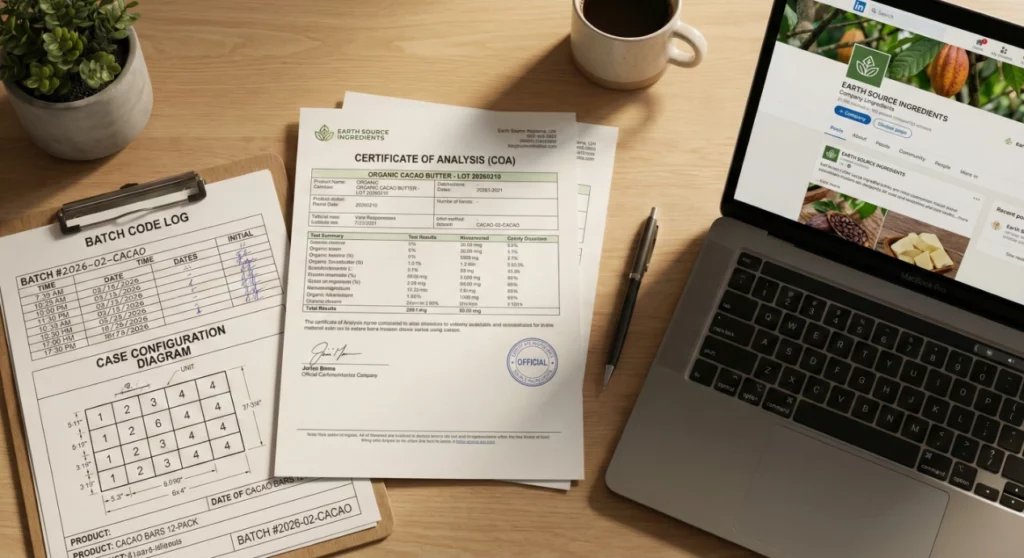
Buyers want signals that a supplier will not create problems. Proof content includes audit preparation, traceability basics, lab testing workflows, and packaging compliance checks.
These posts should be written in plain language, with a focus on what is in place and how it is maintained. In B2B food social media marketing, proof is often more persuasive than product glamour.
Keep claims specific and verifiable. A simple example is posting a short checklist for allergen controls or a photo of documented batch coding processes, with sensitive details removed.
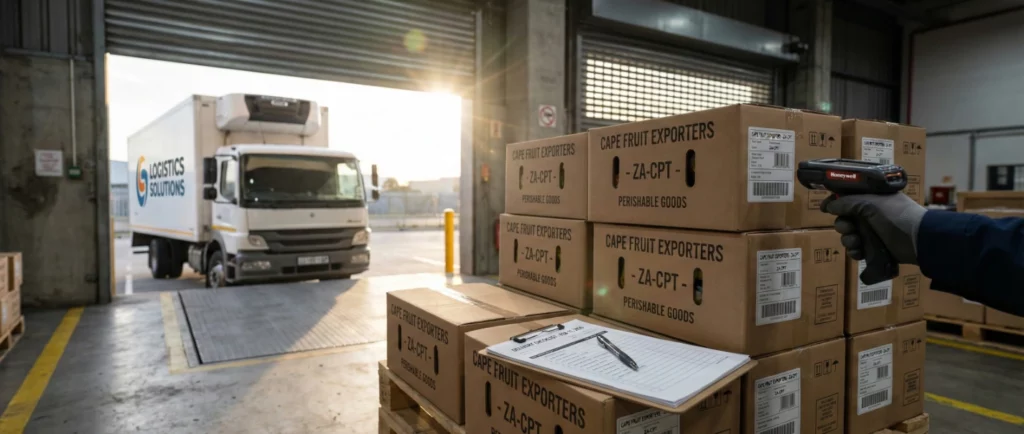
Another is a “what to expect on delivery day” post that explains temperature checks and receiving standards. These are the kinds of social engagement triggers that lead to real enquiries.
Product content: make decisions faster
Product content should answer: what is it, how is it packed, what is the shelf life, and what does the case configuration look like. Buyers also want clarity on variants, seasonal availability, and whether private label is possible.
Visuals matter, but so does structured information that a buyer can screenshot and share. The best B2B food social media marketing treats every product post like a mini spec sheet.
Consider a monthly spec spotlight post that summarises one product line. Include pack sizes, storage conditions, lead times, and category positioning, then point to a full spec pack on the website.
This approach keeps social media marketing for food manufacturers aligned to buyer workflows. It also reduces repetitive back-and-forth messages.
Operations content: show consistency under pressure
In South Africa, reliability is a differentiator because of power disruptions, transport delays, and input volatility. Operations content shows how production stays consistent: backup plans, quality checks, and cold chain controls.
This is not about complaining, it is about demonstrating professionalism. Done well, it strengthens B2B food social media marketing by proving resilience. ICASA reports that mobile cellular active subscriptions reached 94 million in 2024.
That reinforces that many buyers and trade partners will see supplier updates on mobile first. Short, scannable posts with clear visuals are more likely to be consumed and shared.
Channel content: clarify route-to-market fit
Many SMEs lose opportunities because channel fit is not obvious. A buyer may assume a supplier is only direct-to-consumer, when the business is actually wholesale-ready.
Posts that clarify route-to-market make it easier for distributors, retailers, and foodservice buyers to self-select. This is B2B food social media marketing as buyer guidance rather than brand noise.
This can be as simple as a “where products are shipping this quarter” map or a “who this range is designed for” breakdown. Another option is a short post explaining MOQs and lead times by channel. Clear expectations save everyone time. Buyers remember suppliers who communicate like that.
How to write posts that procurement teams actually read
Use procurement language, not influencer language
Procurement teams respond to clarity, not hype. Use concrete terms like lead time, MOQ, case size, cold chain, COA, and spec sheet. Avoid vague claims like “premium quality” unless evidence is shown. In B2B food social media marketing, precision is a credibility signal.
Structure posts for scanning
A strong B2B post usually has a clear first line, two short supporting points, and a call to action that matches the buyer stage. The call to action can be “request a spec pack” or “book a short intro call”. That is more effective than pushing a hard sell. It also keeps social engagement focused on business outcomes.
Keep captions grounded in SA reality
When content acknowledges local constraints in a calm, practical way, it builds trust. A short note about delivery windows, contingency planning, or production scheduling makes the operation feel real and prepared.
It is the difference between a glossy page and a supplier a buyer can rely on. This is where B2B food social media marketing becomes a trade asset.
LinkedIn marketing tactics that work for SA food manufacturers
Optimise the company page for trade searches
Use a clear headline that states product category and route-to-market, not a slogan. Add keywords naturally in the About section, including B2B food social media marketing and “social media marketing for food manufacturers” where it fits. Include capabilities such as formats, compliance, regions served, and typical buyer types. This makes LinkedIn marketing easier to measure because intent is clearer.
Post in formats buyers share internally
Buyers often share screenshots and PDFs in internal chats. Use carousel posts that summarise a spec sheet, a production checklist, or a buyer-ready product overview. Keep each slide readable on mobile and avoid tiny text. Every slide should reinforce the fundamentals: clarity, proof, and next steps.
Use a predictable cadence
Two posts a week can be enough if they are consistently useful. A simple rhythm is one proof post and one product or channel post.
This supports social engagement without forcing a constant content treadmill. Over time, that consistency is what compounds reach. LinkedIn’s own lead generation resources emphasise getting the right content in front of the right people, supported by a clear distribution plan.
The same principle applies to B2B food social media marketing for suppliers who need buyer conversations, not broad consumer reach.
Social engagement that signals ready to supply
Engagement is not just comments and reactions. In B2B, meaningful engagement includes direct messages asking for details, profile visits from relevant job titles, and link clicks to spec packs or directory pages.
These signals show that B2B food social media marketing is reaching the right people. Treat those actions as priority indicators. Response time is part of the brand.
A buyer who asks for a spec sheet and waits three days often moves on, especially when deadlines are tight. A simple process helps: a saved reply template, a shared folder of assets, and a clear internal owner for enquiries. When that process is in place, social media marketing for food manufacturers becomes far less stressful.
Integrate social media with the website and directories
Social media should not carry the full weight of conversion. It should guide buyers to structured pages that support decision-making, then capture enquiries with minimal friction. That means consistent landing pages, clear forms, and downloadable assets that explain what the buyer will receive.
This integration is the practical backbone of B2B food social media marketing. Use social posts to direct buyers and trade partners to the Food Trade Directory South Africa buyer shortlist hub for supplier discovery and category context.
When capacity, packing formats, or scale are the question, route buyers to the co-packers and contract manufacturing hub as a reference point for outsourcing and capacity planning. For channel expansion, point to the distributors and wholesalers channel access hub so buyers and partners can self-select based on fit.
When a buyer is ready to speak, route them to the trade enquiry contact page and prompt them to include MOQs, lead times, and regions served.
Paid social without burning budget
Paid social is not required at the start, but it can accelerate reach when the basics are in place. For most SMEs, the first paid test should promote a high-value asset such as a buyer-ready catalogue or a downloadable guide.
Boosting a random product post often wastes budget because the buyer intent is unclear. Paid activity should serve the same logic as B2B food social media marketing. Keep targeting tight: location, job function, and relevant industries.
Track outcomes that matter, such as form submissions and quality enquiries, not just impressions. Use small tests and compare results over two to four weeks. If it does not generate shortlist actions, change the asset, not the budget.
How to measure results with B2B KPIs
Shortlist signals
Track how often buyers request specs, ask for samples, or propose meetings. Note which posts trigger those actions and which platform the action came from. Over time, this builds a playbook of content that moves opportunities forward. Without it, B2B food social media marketing becomes guesswork.
Website and asset performance
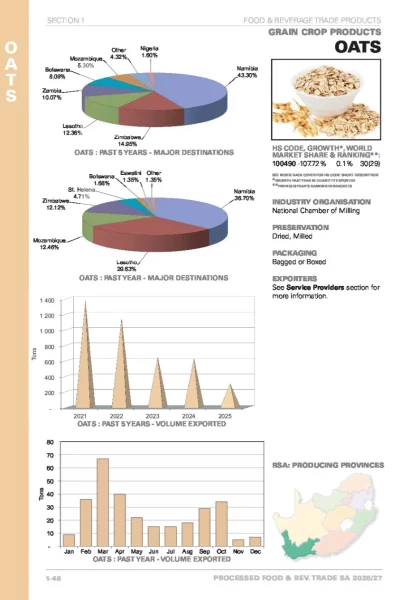
Use analytics to measure traffic from social to key pages and downloads. DataReportal reported 50.8 million internet users in South Africa at the start of 2025 and 26.7 million social media user identities. The real task is narrowing that reach to trade audiences through content and targeting choices. DataReportal Digital 2025: South Africa
Sales cycle contribution
Social media rarely closes a B2B deal on its own. It supports the cycle by warming up a buyer, validating trust, and keeping the supplier top-of-mind. Track how often a buyer references a post during a call or meeting, and treat that as evidence of influence. When done consistently, social engagement becomes a steady pipeline signal.
Common mistakes SA food SMEs should avoid
Posting like a consumer brand
Pretty food shots are useful, but B2B buyers need context. Without specs, pack formats, and channel clarity, posts become entertainment rather than a trade tool. Balance visual appeal with procurement detail. That balance is the difference between content and B2B food social media marketing.
Overclaiming and under-evidencing
Claims about quality, compliance, or capacity must be backed up. If certification is in progress, say that and share the steps and timeline. Honesty builds trust faster than marketing gloss. Buyers respect clarity, especially when it is paired with proof content.
Ignoring operational questions in comments and messages
Buyers ask operational questions because they are assessing risk. Leaving those questions unanswered creates doubt and slows decisions. A calm, clear response is part of strong B2B food social media marketing. Consistent follow-through is what turns social visibility into revenue support.
How B2B food companies in South Africa can use social media to reach buyers
Buyers in South Africa are not looking for perfection; they are looking for suppliers who make trade easier. Social media reaches buyers when it reads like a shortlist tool: clear positioning, practical proof, and consistent responses.
The most effective accounts feel like an extension of operations and documentation, not a separate marketing world. That is the most reliable route for B2B food social media marketing. Start small, stay consistent, and build around buyer questions.
Use LinkedIn marketing as the credibility hub, then support it with visuals and quick updates where it makes sense. Over time, the content library becomes a quiet sales assistant that works while production carries on. That is how B2B food social media marketing stays manageable for lean teams.
Conclusion
For SA food manufacturers, social media works when it reduces buyer uncertainty. The best posts are the ones that save a buyer time: clear product information, proof of readiness, and straightforward ways to request next-step documents. A steady cadence and a practical content plan keep momentum without draining the business. That is the real value of B2B food social media marketing.
Keep the focus on trade outcomes. When profiles, posts, and links are aligned, B2B food social media marketing becomes a reliable bridge between discovery and a confident shortlist. Done properly, social engagement turns into enquiries, meetings, and long-term channel relationships. That outcome is the practical promise of B2B food social media marketing.mall, stay consistent, and build around buyer questions. Use LinkedIn marketing as the credibility hub, then support it with visuals and quick updates where it makes sense. Over time, the content library becomes a quiet sales assistant that works while production carries on. That is how B2B food social media marketing stays manageable for lean teams.
FAQ
What should a small food manufacturer post first for B2B buyers?
Start with proof and clarity: a short capabilities post, one spec-style product post, and one reliability post explaining lead times and delivery regions.
How often should B2B food companies post on social media?
Two posts per week is enough if the content answers buyer questions and stays consistent.
Is LinkedIn marketing worth it for small SA food brands?
Yes, when the goal is procurement visibility. A well-optimised page and proof-led posts support shortlisting better than broad lifestyle content.
What content gets the most qualified enquiries?
Spec-style product posts, proof posts (audit readiness, traceability, testing workflow), and channel-fit posts (MOQs, regions served, lead times).
How can social media help with retail or distributor conversations?
It provides a credibility layer before the meeting, and it gives buyers shareable material they can forward internally.
Should paid social be used early?
Only after the profile, assets, and landing paths are ready. Start by promoting a high-value downloadable or buyer-ready pack, not random posts.
How can results be measured without complex tools?
Track shortlist signals: spec requests, meeting requests, qualified DMs, and website downloads from social traffic.