In the dynamic realm of South Africa’s food distribution, digital food trade platforms have emerged as a cornerstone for progress. These platforms are not only redefining traditional supply chains but are also fostering a new era of efficiency and transparency. The journey from conventional methods to advanced digital solutions has been marked by significant milestones that continue to shape the industry.
At the heart of this evolution lies the power of online food trade, where technology drives growth and innovation. As the country navigates market complexities and sustainability challenges, embracing digital strategies has never been more crucial. This article explores the transformative role of digital food trade platforms in modernising SA’s food distribution networks and highlights the benefits that these innovations bring to stakeholders across the board.
Table of Contents:
The Evolution of Food Distribution in South Africa
South Africa’s food distribution landscape has witnessed a remarkable transformation over the decades. Traditional methods that once relied heavily on manual processes have gradually given way to technologically advanced systems.
Early market practices laid the foundation for the integration of digital solutions, fostering efficiency and connectivity. Significant milestones, such as the advent of real-time data management and automated supply chains, have reshaped how products move from producers to consumers.
This evolution reflects a broader trend of embracing modern technologies to overcome logistical challenges. The story of change in the food trade sector is one of resilience, adaptability, and a forward-thinking approach that has steadily enhanced market performance.
Understanding Digital Food Trade Platforms
Digital food trade platforms serve as dynamic hubs that connect producers, distributors, and consumers through technology-driven solutions. These platforms offer a range of core features—from real-time tracking and automated ordering systems to comprehensive market analytics.
Their ability to streamline communication and data sharing is pivotal in enhancing supply chain transparency. By integrating digital tools, stakeholders can monitor market trends and adjust their strategies in near real-time.
The emphasis on efficiency not only reduces operational costs but also minimises the risks associated with traditional manual processes. As the industry continues to evolve, the role of digital food trade platforms becomes increasingly essential in driving both innovation and reliability.
The Rise of Online Food Trade
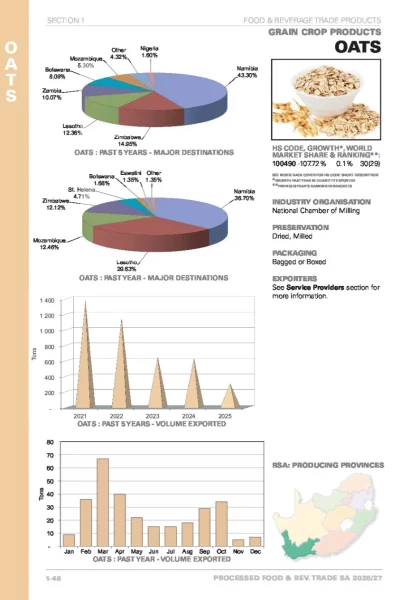
The digital era has ushered in a significant growth spurt in the online food trade sector. Market statistics reveal that South Africa’s digital transformation in food distribution is growing steadily, with an increasing percentage of transactions shifting online.
According to Stats SA, digital initiatives in food trade have grown by over 20% in recent years. This trend is expected to accelerate as more businesses adopt digital platforms to streamline operations and enhance market reach.
The story of digital innovation in the food sector is one of adaptability and forward-thinking strategies that embrace technological advances. As market demands shift and consumer behaviours evolve, online food trade is set to become a dominant force in the industry.
Enhancing Supply Chain Transparency and Efficiency
Digital food trade platforms have redefined the concept of supply chain transparency, making it easier for businesses to monitor every stage of the distribution process. With real-time data integration, companies can track product movement, predict potential delays, and optimise logistical operations.
This transparency not only builds trust between suppliers and buyers but also enhances operational efficiency by reducing wastage and redundancies. The integration of advanced analytics tools further empowers businesses to make informed decisions based on current market conditions.
Additionally, automated systems facilitate smoother communication and quicker response times, ensuring that any disruptions are swiftly managed. The overall benefit is a more resilient and adaptive supply chain that supports both growth and sustainability.
Despite the advantages, challenges remain. The South African food industry faces logistical difficulties, regulatory complexities, and fluctuating consumer trends. Addressing these challenges requires the right mix of digital tools and strategic partnerships. Learn more about the challenges facing sa food trade market and how businesses can navigate them effectively.
Fostering SA Food Innovation through Digital Platforms
Innovation in South Africa’s food sector is being driven by the increased use of digital platforms that nurture creativity and new product development. These platforms serve as incubators for ideas, offering insights into emerging trends and consumer preferences.
By providing real-time data and market analytics, digital food trade platforms help companies identify gaps in the market and develop innovative solutions. A notable aspect of this innovation is the convergence of traditional knowledge with modern technology, creating products that cater to evolving consumer demands.
Reflecting on the success stories of several local businesses, it becomes clear that embracing digital innovation has enabled companies to stay ahead of the curve. The interplay between technology and tradition is paving the way for a new era of SA food innovation that values both heritage and modernity.
Sustainability and Ethical Sourcing in the Digital Era
Sustainability has become a core pillar in South Africa’s food distribution, and digital food trade platforms are at the forefront of this movement. These platforms enable businesses to trace the origins of products, ensuring that ethical sourcing practices are followed.
The emphasis on sustainable operations not only benefits the environment but also enhances brand reputation among consumers who value transparency. By leveraging digital solutions, companies can monitor the environmental impact of their supply chains and make necessary adjustments to reduce their carbon footprint.
The role of technology in promoting sustainability is evident in initiatives that encourage local sourcing and reduce dependency on long-distance transportation. Ultimately, digital platforms are helping to build a more resilient and environmentally responsible food distribution network.
Navigating Regulatory Landscapes and Compliance
The South African food distribution sector operates within a complex regulatory environment that demands strict adherence to standards. Digital food trade platforms play a vital role in helping businesses navigate these regulations by automating compliance processes and providing up-to-date information on legal requirements.
These platforms offer tools that ensure documentation, product quality, and safety standards are maintained consistently. With regulatory frameworks continually evolving, having a digital solution that can adapt quickly is crucial for business continuity.
The role of technology in this area is twofold: it simplifies compliance and mitigates risks associated with regulatory lapses. This modern approach allows companies to focus on growth and innovation while remaining fully compliant with industry standards.
Overcoming Financial Barriers for SMMEs
Small- and medium-sized enterprises (SMMEs) often face significant financial challenges in competing with larger players. Digital food trade platforms can level the playing field by providing access to subsidies, market insights, and cost-effective technological solutions.
By streamlining procurement and reducing operational costs, these platforms help SMMEs improve their bottom lines. Financial barriers, such as limited access to capital and high logistical costs, are being addressed through innovative digital solutions that support growth and sustainability.
The narrative of overcoming financial challenges is one of resilience and resourcefulness, with digital platforms offering a lifeline to smaller businesses. The support from industry bodies and government initiatives further enhances the credibility and effectiveness of these platforms in driving sector growth.
Collaboration Among Producers, Distributors, and Enthusiasts
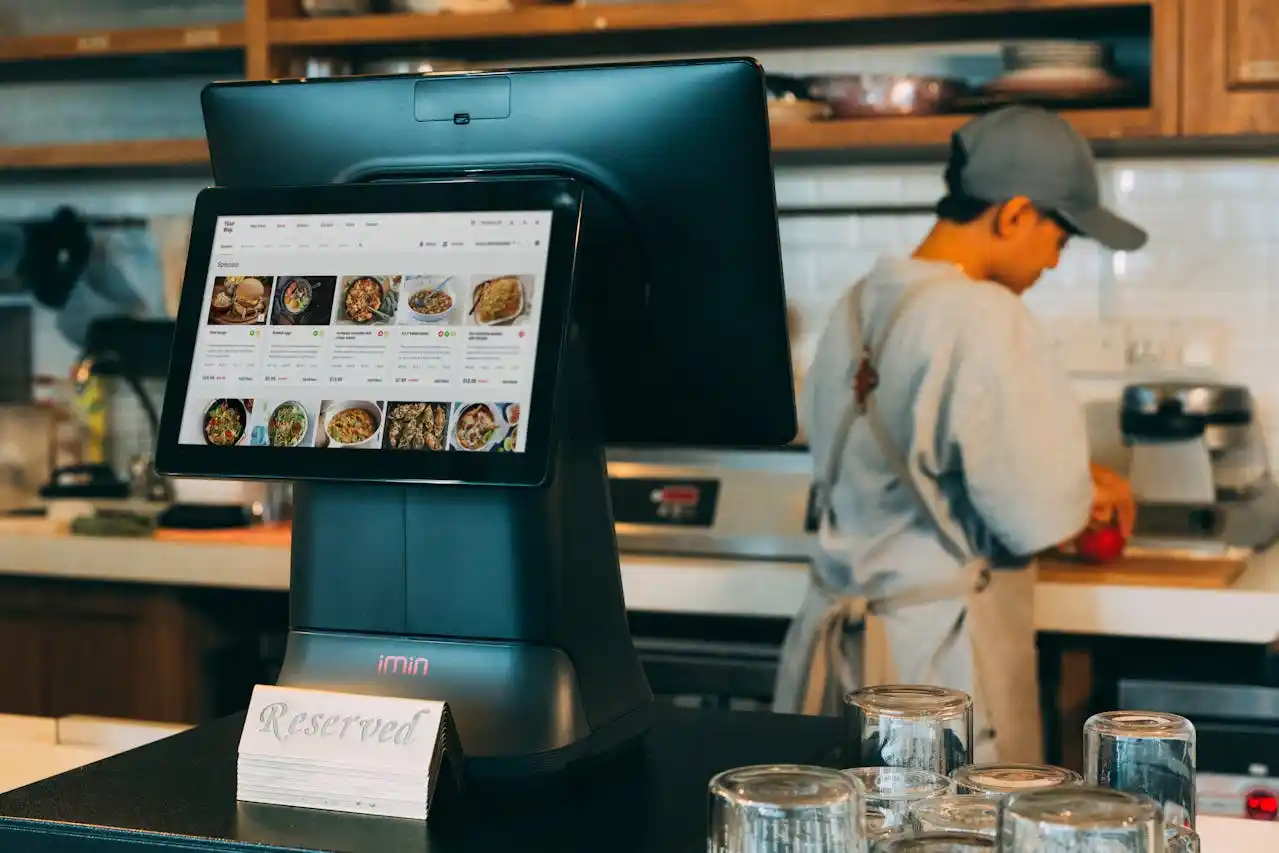
A robust food distribution network is built on strong collaboration among all stakeholders, and digital food trade platforms have become central to fostering these connections. These platforms create virtual spaces where producers, distributors, and even industry enthusiasts can interact and share insights.
The power of collaboration lies in the ability to streamline communication, build trusted relationships, and create a more cohesive ecosystem. By connecting diverse players in the food trade, digital solutions contribute to a more integrated market that benefits everyone.
The collaborative nature of these platforms also leads to increased innovation and a collective drive towards common goals. Ultimately, the enhanced connectivity supports sustainable growth and operational excellence across the board.
Challenges in Implementing Digital Platforms
Despite the significant benefits, the implementation of digital food trade platforms is not without its challenges. Technological barriers, such as outdated infrastructure and limited digital literacy, can hinder rapid adoption. Financial constraints and resistance to change are also common obstacles, particularly for smaller enterprises with limited resources.
However, the industry is actively addressing these challenges through targeted training programmes and government-supported initiatives. Lessons learned from early adopters have paved the way for smoother transitions, ensuring that the benefits of digital integration are realised more broadly.
The journey towards full digital adoption is marked by incremental improvements and collaborative efforts to overcome persistent hurdles.
Future Trends in SA Food Distribution
The future of South Africa’s food distribution looks promising with ongoing advancements in digital technology. Projections indicate that digital food trade platforms will continue to expand, driven by innovations in data analytics, mobile technology, and artificial intelligence.
As the industry adapts to evolving market demands, trends such as real-time supply chain monitoring and predictive analytics are set to become standard practices. The potential for growth is immense, with digital solutions playing a pivotal role in unlocking new efficiencies and market opportunities.
Industry experts predict that embracing these trends will not only drive operational improvements but also foster a more competitive and sustainable market. The forward momentum in digital innovation suggests a future where technology and tradition blend seamlessly to support industry advancement.
Benefits of Embracing Digital Food Trade Platforms
Digital food trade platforms offer a multitude of benefits that extend far beyond simple operational improvements. These platforms enhance efficiency by automating routine tasks and providing real-time market insights.
The increased transparency and traceability help build trust between suppliers and consumers, essential for maintaining high standards in quality and safety. By reducing costs and improving communication, digital solutions drive growth and open up new opportunities for innovation.
The benefits also include a more agile supply chain that can quickly respond to market fluctuations. As businesses across South Africa embrace these technologies, the overall landscape of food distribution is evolving into a more efficient, reliable, and forward-thinking ecosystem.
Expert Insights and Industry Perspectives
Industry experts have long observed that digital food trade platforms are revolutionising the food distribution sector in South Africa. Insights from key players in the industry underscore the importance of adopting modern technologies to keep pace with market demands.
Expert commentary highlights how digital platforms are not merely technological tools but catalysts for broader market transformation. Reflections on the lessons learned from early implementations reveal that the successful integration of digital systems requires a combination of innovative thinking and practical strategies.
These insights have inspired a wave of change, encouraging more businesses to adopt digital solutions that drive efficiency, sustainability, and growth. As voices from the field continue to share their experiences, the industry moves closer to realising the full potential of online food trade.
Conclusion
The evolution of digital food trade platforms has profoundly impacted South Africa’s food distribution landscape, driving efficiency, innovation, and sustainability across the sector. By transforming traditional methods and fostering a more connected ecosystem, these platforms offer robust solutions to longstanding industry challenges.
From enhancing supply chain transparency to supporting financial and technological integration for SMMEs, the digital revolution is paving the way for a brighter, more competitive future. The journey towards a fully integrated digital food trade system is an ongoing story of innovation, collaboration, and adaptation—one that continues to inspire growth and excellence in the South African market.
FAQ
What are digital food trade platforms?
Digital food trade platforms are online systems that facilitate communication, procurement, and data sharing among producers, distributors, and consumers within the food distribution sector.
How do these platforms benefit supply chain transparency?
They provide real-time data and analytics, allowing businesses to monitor product movement, ensure compliance with standards, and make informed decisions based on current market trends.
What challenges might businesses face when implementing these platforms?
Common challenges include technological barriers, limited digital literacy, and financial constraints, which can be overcome through training and supportive initiatives.
How do digital food trade platforms promote sustainability?
By enabling traceability and ethical sourcing, these platforms help reduce environmental impact and promote sustainable practices within the supply chain.
Are there government initiatives to support the use of digital platforms in food trade?
Yes, support from departments such as the Department of Agriculture and the Department of Trade and Industry plays a significant role in subsidising and enhancing these digital solutions.