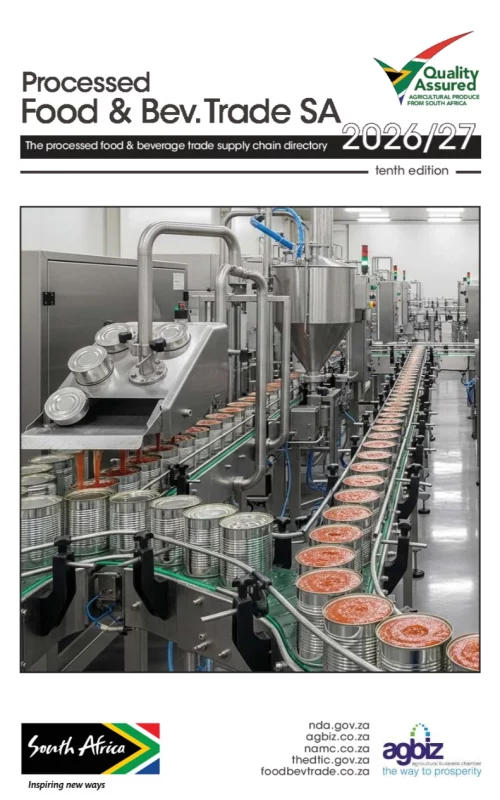
The food and beverage sector is one of South Africa’s most vital industries, driving the economy while nourishing millions of people daily. Yet, it’s no secret that the SA food trade market faces significant hurdles, ranging from supply chain issues to sustainability concerns.
For procurement managers and business owners, these challenges can feel overwhelming. But understanding the “why” behind these obstacles is the first step towards finding effective solutions.
Table of Contents:
TL;DR: Key Takeaways
- Explores why the South African food trade market is strategically important yet exposed to supply chain disruptions, inequality, and policy complexity.
- Identifies core challenges: logistics bottlenecks, food security pressures, trade barriers, and limited rural market access.
- Suggests solutions centred on technology, stronger collaboration with suppliers and regulators, and better access for rural producers.
- Underlines the role of sustainability and shifting consumer demand for ethical, local, and value-added products.
- Positions Food & Beverage Trade South Africa as a source of ongoing insights, directories, and tools to help procurement managers and owners navigate these pressures.
Understanding the Top Challenges in SA’s Food Trade Market
South Africa’s food trade market is a cornerstone of the national economy, contributing billions of rands annually and providing livelihoods for countless individuals. This sector, with its vibrant interplay of local and international trade, supports the nation’s food security while fostering economic growth. However, navigating the complexities of this dynamic market comes with its fair share of hurdles.
From logistical bottlenecks to evolving consumer demands and stringent trade regulations, the SA food trade market requires adaptive and forward-thinking approaches. Let’s delve deeper into some of the key obstacles and their broader implications for stakeholders at every level.
1. Supply Chain Complexities in South Africa
South Africa’s food supply chain is vast, connecting local farmers, processors, distributors, and retailers. However, the system is far from seamless. Fragmented infrastructure, load-shedding, and logistical bottlenecks create significant delays and increase costs. For procurement managers, this means juggling multiple suppliers and dealing with unpredictable delivery schedules.
For example, delays at ports can lead to spoilage of perishable goods, translating into financial losses. Investing in technology-driven logistics solutions and forging reliable supplier relationships are essential steps towards overcoming this challenge in the SA food trade market.
One of the quickest ways to reduce disruption is to work with partners that are consistent on quality, lead times, and cold-chain handling. This list of reliable fresh food service providers is a helpful reference point when reviewing supply options and strengthening continuity plans.
2. Food Security in South Africa
Climate change, resource scarcity, and economic inequality exacerbate food insecurity in South Africa. According to Statistics South Africa, over 20% of households experience inadequate access to food. This impacts the entire supply chain, as procurement managers face difficulty sourcing enough quality products to meet demand.
Innovations like vertical farming and drought-resistant crops offer hope. However, scaling these solutions requires significant investment and collaboration across the SA food trade market.
3. Agricultural Trade Barriers
Trade regulations, tariffs, and stringent quality standards can hinder the movement of agricultural products within South Africa and beyond its borders. Exporters often face high compliance costs, while importers deal with delayed shipments and increased prices.
For instance, the ban on certain poultry imports due to avian flu outbreaks has disrupted the availability of chicken, a staple protein for many South Africans. Simplifying trade policies and improving transparency are crucial steps to ease these barriers in the SA food trade market.
4. Rural Market Access and Development
While South Africa boasts a vibrant urban market, rural suppliers often struggle to connect with larger retailers. Limited infrastructure, lack of technology, and high transportation costs prevent rural producers from competing on a national scale.
Developing rural market hubs and incentivizing retailers to source locally can bridge this gap. This not only boosts rural economies but also diversifies product offerings for consumers in the SA food trade market.

Solutions to Overcome These Challenges
Leverage Technology: Digital tools like supply chain management software can help streamline operations, reduce waste, and improve communication between stakeholders in the SA food trade market.
Foster Collaborations: Building trusted relationships with suppliers and fostering partnerships with government agencies can create a more resilient supply chain.
Stay Informed: Subscribing to platforms like Food and Beverage Trade SA provides procurement managers with the latest industry insights, trends, and regulations within the food and beverage industry South Africa.
The Role of Sustainability in Addressing SA Food Trade Challenges
Sustainability is no longer a buzzword—it’s a necessity. By focusing on environmentally friendly practices, businesses can mitigate risks associated with resource scarcity and climate change. Sourcing from suppliers that adhere to sustainable farming practices not only benefits the planet but also resonates with eco-conscious consumers.
Brands like Woolworths are leading the charge with their sustainability programs, demonstrating that ethical practices can align with profitability in the SA food trade market.
Trends Shaping the Future of SA’s Food Trade Market
- Emerging Technologies: Automation and AI are transforming supply chains, making them more efficient and transparent.
- Local Brand Growth: South African brands are gaining international recognition, showcasing the potential for export-driven growth in the SA food trade market.
- Consumer Preferences: The demand for organic, non-GMO, and locally sourced products continues to rise, pushing businesses to adapt within the SA food trade market.
Conclusion: Charting a Path Towards a Resilient Food Trade Market
South Africa’s food trade market is at a crossroads. While challenges persist, they also present opportunities for growth and innovation. By embracing technology, fostering collaborations, and committing to sustainability, the SA food trade market can overcome these hurdles and thrive.
Procurement managers and business owners play a pivotal role in this transformation. Platforms like Food and Beverage Trade SA are here to support your journey, offering the insights and resources you need to succeed in this dynamic sector.
FAQ
What are the biggest challenges in SA’s food trade market today?
Supply chain inefficiencies, food security issues, trade barriers, and limited rural market access are among the top challenges.
How can procurement managers ensure sustainability in their supply chains?
They can prioritize sourcing from suppliers with sustainable practices, invest in technology, and foster transparent supplier relationships within the SA food trade market.
What role does technology play in overcoming food trade challenges?
Technology streamlines supply chains, improves forecasting, and enhances communication between stakeholders, reducing costs and inefficiencies in the SA food trade market.