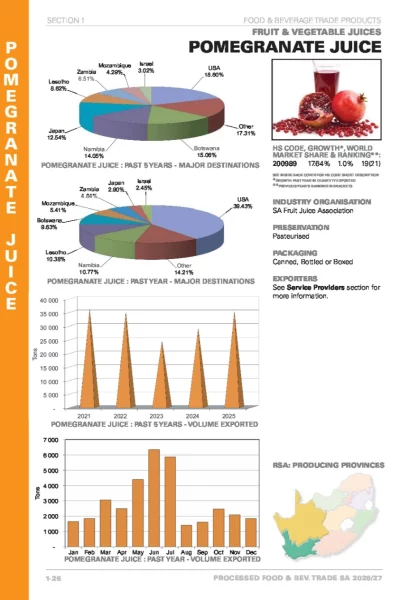
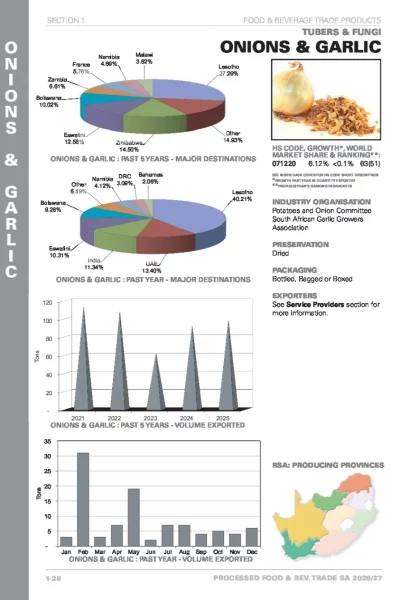
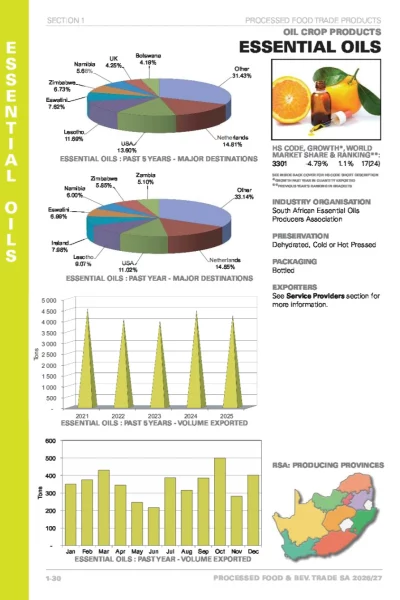
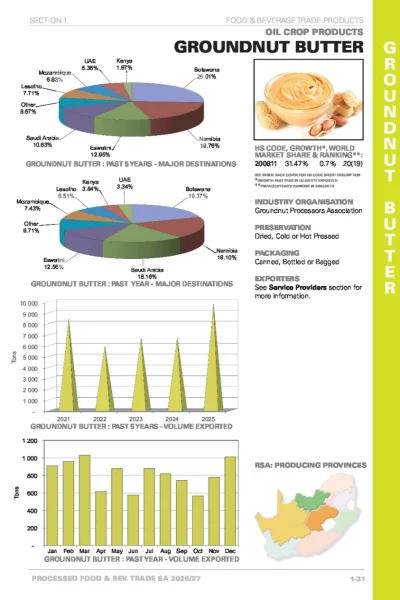
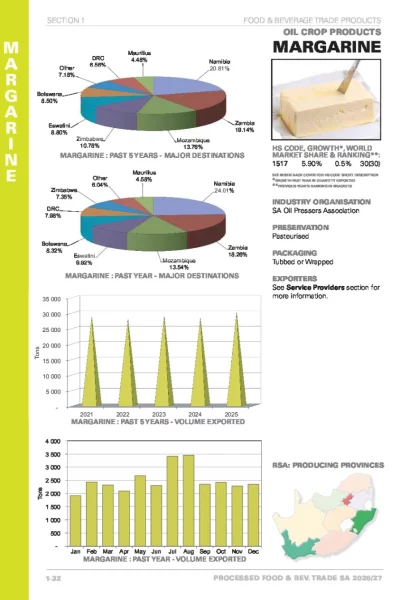
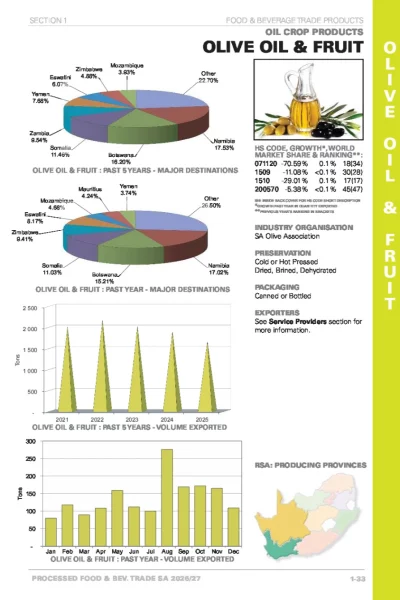
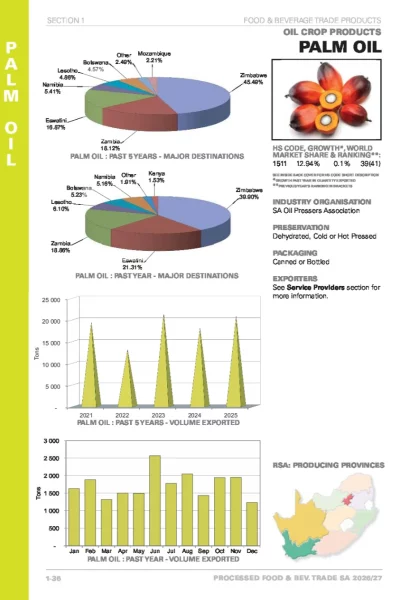
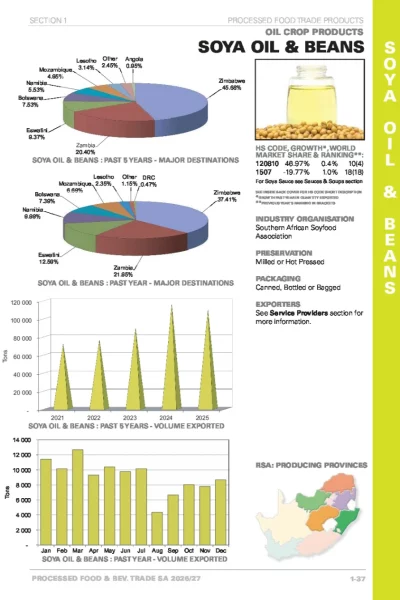
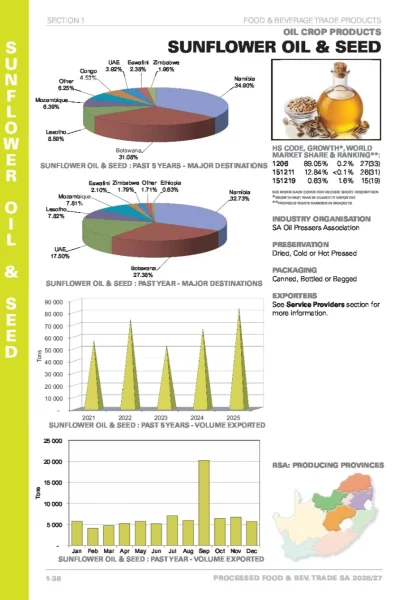
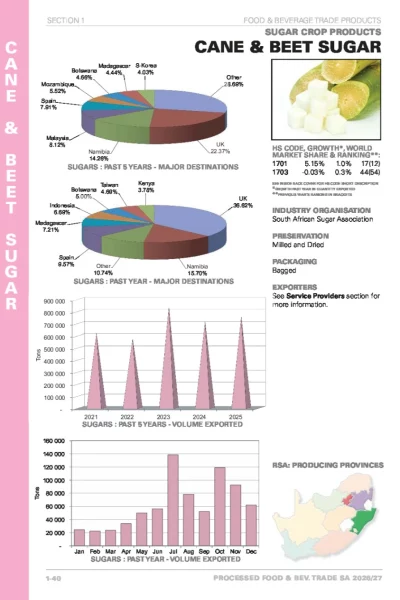
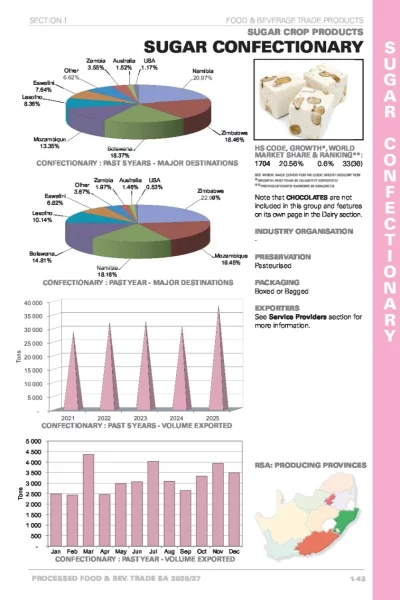
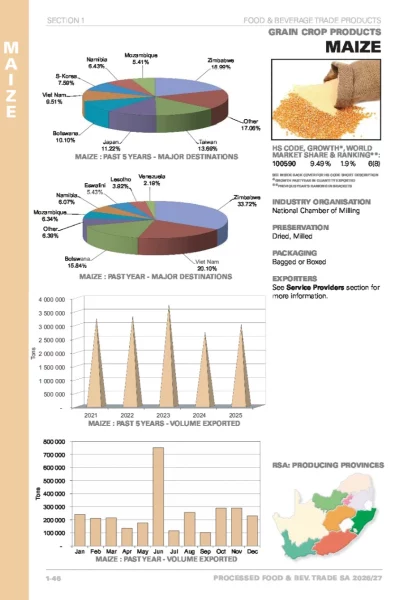
Register to receive a free download link via your email address
We respect your privacy, do not tolerate spam and will never sell or give away your personal information to any third party.

Picture a growing condiment brand that has outgrown its rented kitchen. Retail buyers want consistent volumes, proper labelling, and food safety documentation, but building a factory is out of reach. This is exactly where food contract manufacturing South Africa becomes the practical route to scale, letting a brand hand production to an established facility while keeping control of the recipe, brand, and route to market.
The same logic applies to beverage brands needing a filling line, snack producers chasing retail listings, and exporters that need certified production capacity. Outsourced production is now a normal part of the South African food and beverage trade, from start-ups to established FMCG businesses.
This page explains what contract manufacturing and co-packing mean in the local context, how the different models compare, what buyers should verify before shortlisting, which questions to ask, and which red flags to avoid. It also shows how the Food and Beverage Trade South Africa publications help buyers and suppliers find each other faster.
Food contract manufacturing South Africa refers to an arrangement where a brand owner, retailer, or distributor pays a third-party facility to produce food or beverage products on its behalf. The manufacturer supplies the premises, equipment, production staff, and quality systems. The brand owner typically supplies the recipe or specification, the brand identity, and the sales channels.
The arrangement only works when the manufacturer can prove compliance. Every production facility must meet the general hygiene requirements for food premises set out under Regulation R638 of the Foodstuffs, Cosmetics and Disinfectants Act, which covers premises design, temperature control, food handler training, and transport. Serious buyers treat this as the entry ticket, not the finish line, and many also expect a supplier vetting process that covers certifications, batch records, and recall readiness.
These terms are often used loosely, which causes confusion in negotiations. Contract manufacturing usually means the facility produces the full product from the brand owner’s specification, often sourcing ingredients itself. Co-packing traditionally focuses on filling, packing, and finishing, such as bottling a beverage, sachet-filling a spice blend, or flow-wrapping a snack bar.
Private label production means the manufacturer produces its own established formulation, which the buyer then sells under the buyer’s brand. Toll manufacturing means the brand owner supplies the ingredients and pays a processing fee, with the facility converting those inputs into finished goods. Clarifying which model applies prevents disputes over ingredient sourcing, liability, and intellectual property.
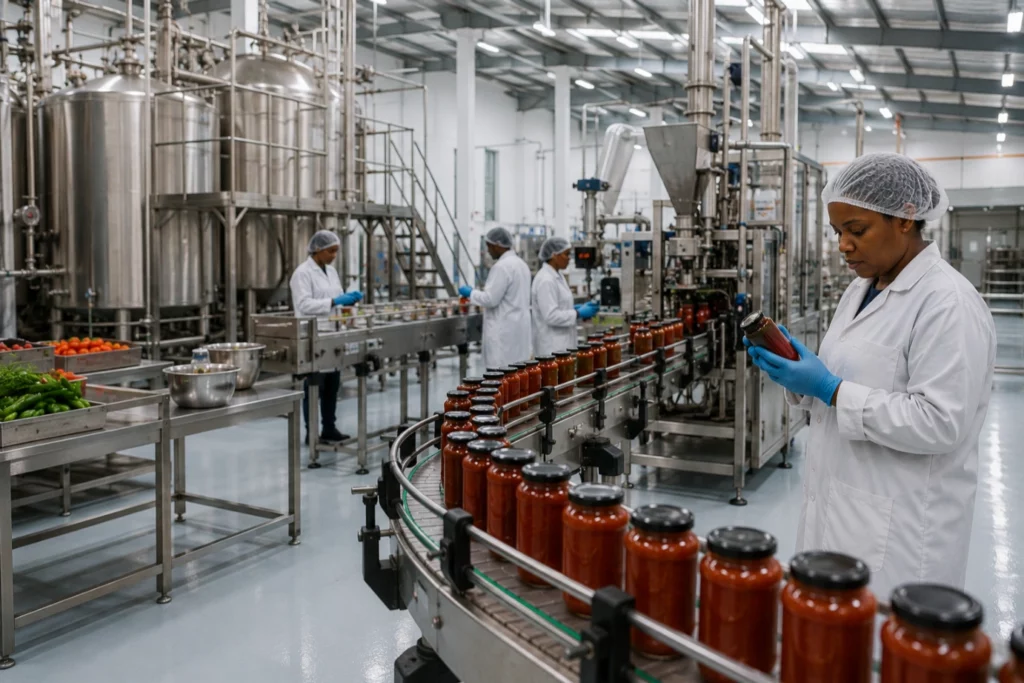
Co-packing and contract production are common across shelf-stable and chilled categories. Typical examples include sauces and condiments, dry mixes and spice blends, snacks and bakery items, ready meals, juices, functional beverages, bottled drinks, and pantry staples such as grains, pulses, and spreads. Shelf-stable FMCG products suit the model particularly well because a longer shelf life allows efficient batch scheduling.
Start-up brands use contract manufacturers to reach retail-grade quality without capital outlay. Established FMCG companies use them to add capacity, test new categories, or smooth seasonal peaks. Retailers and distributors commission private label ranges, exporters need certified volumes for foreign markets, hospitality groups outsource branded pantry lines, and ingredient suppliers use toll processing to convert raw materials into saleable formats.
A weak production partner damages everything downstream. Food safety failures trigger recalls, inconsistent batches erode consumer trust, and unstable lead times break retailer service-level commitments. Buyers therefore assess batch consistency, shelf-life validation, allergen control, traceability, packaging compatibility, and labelling support before signing anything, since incorrect labels are a common cause of rejected stock and delayed listings, as covered in the guide to labelling requirements for South African food products.
Certification is the clearest shorthand for capability. Many retailers and export buyers expect a documented food safety system aligned to the SANS 10330 HACCP standard published by the SABS, or a GFSI-recognised scheme such as FSSC 22000. The table below summarises the core checks.
Contract manufacturing shortlisting checklist
| Criterion | What a buyer should ask or verify |
|---|---|
| Legal compliance | Valid Certificate of Acceptability and R638 compliance for the specific premises |
| Food safety certification | HACCP based on SANS 10330, FSSC 22000, or equivalent, with current audit reports |
| Allergen control | Documented allergen management plan, segregation, and validated cleaning procedures |
| Traceability and recall | Batch coding, mock recall results, and a written recall procedure |
| Capacity and MOQs | Realistic minimum order quantities, trial batch options, and scale-up capacity |
| Lead times | Confirmed standard lead times, peak-season performance, and stock continuity plans |
| Packaging compatibility | Formats, materials, and filling tolerances matched to the product specification |
| Labelling support | Ability to apply compliant labels and assist with artwork checks |
| Shelf life | Validated shelf-life data and stability testing for the product category |
| Commercial terms | Pricing structure, payment terms, IP protection, and exit clauses in writing |
Practical co-packing solutions are concentrated where food and beverage production clusters: Gauteng for FMCG and dry goods, the Western Cape for beverages, wine-adjacent products and sauces, and KwaZulu-Natal for port-linked manufacturing and commodity processing. Regional choice matters because transport costs, cold chain risk and lead times all improve when production sits close to either the ingredient source or the main distribution hub. Buyers planning national retail distribution often weigh a single large facility against two regional partners.
When comparing co-packers, line up the same questions for every candidate. Compare MOQs and whether a paid trial run is available, confirm actual production capacity per shift rather than theoretical maximums, and pin down lead times for both first production and repeat orders. Then assess packaging options, ingredient sourcing arrangements, warehousing and distribution readiness, and the service levels the facility will commit to in writing. A structured comparison turns a sales conversation into a procurement decision.
For procurement teams and brand owners, a structured approach to food contract manufacturing South Africa delivers faster manufacturer comparison and clearer conversations about capacity, compliance, documentation, packaging, and lead times. It reduces back-and-forth when preparing RFQs, product specifications, and buyer meetings, and it supports better supplier-fit decisions before any commitment to a production partner. Government support can also strengthen the business case, since qualifying agro-processing investments may access incentives such as the Agro-Processing Support Scheme administered by the dtic.
For manufacturers, co-packers, and related service providers, registration for upcoming Food and Beverage Trade South Africa publications can improve discoverability with trade buyers. Suppliers present their capabilities in a buyer-ready context, alongside the categories and regions buyers actually search. The annual publications support trade visibility in a grounded way, without implying guaranteed enquiries, rankings, or sales.
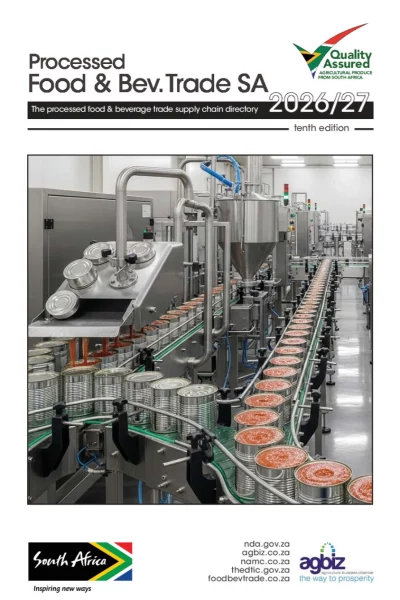
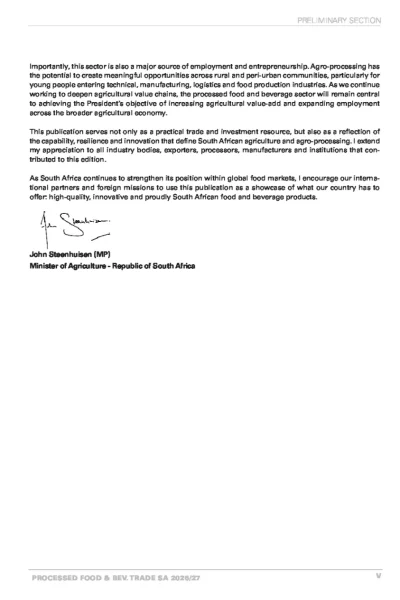
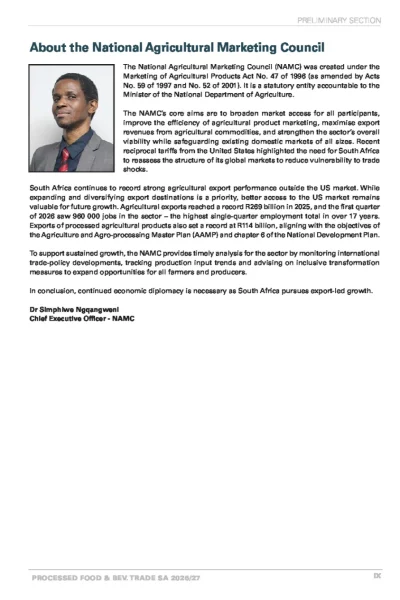
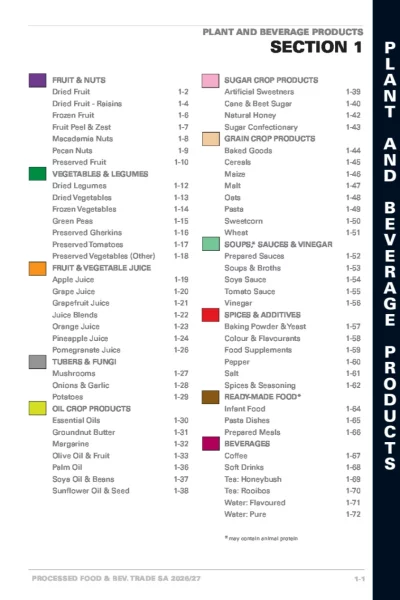
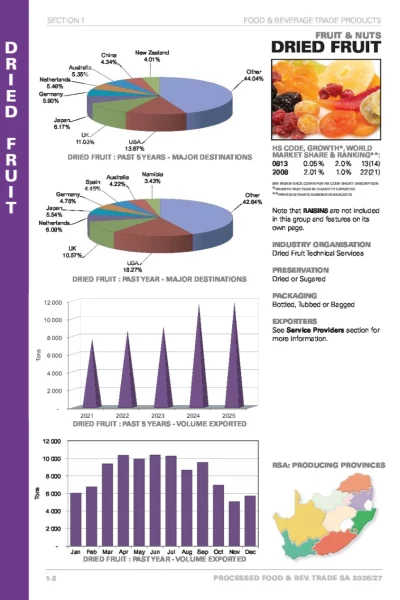
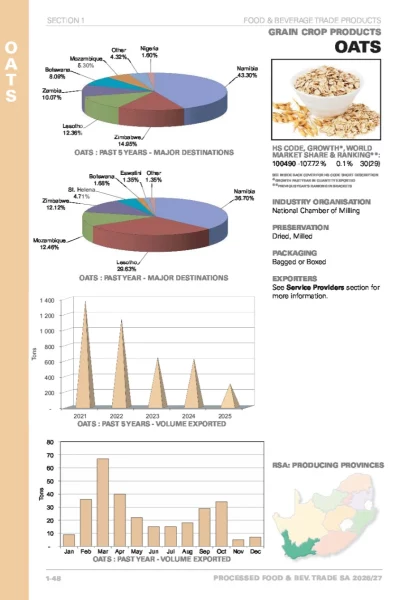
A buyer-ready reference guide designed to help procurement teams, brand owners, and suppliers understand South Africa’s food and beverage trade landscape. Choose the publication most relevant to your sector and use it to shortlist partners, prepare for supplier conversations, and plan trade activity with more confidence.
Register your business to be featured in upcoming publications.
Food and Beverage Trade South Africa is a publisher and trade resource hub connecting buyers, suppliers, manufacturers, exporters, distributors, and service providers through annual downloadable publications. Each edition is built for practical trade use, helping procurement and supply chain professionals find relevant businesses and helping suppliers reach the buyers who matter.
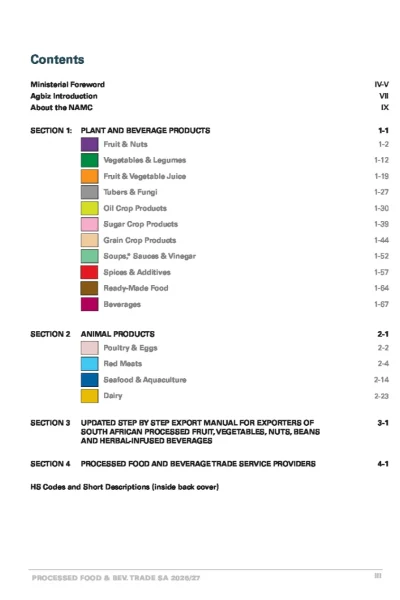
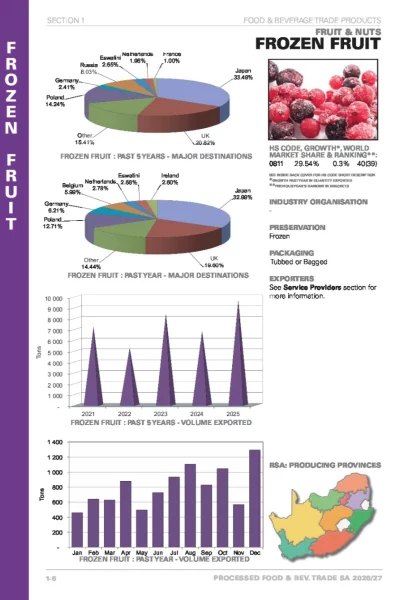
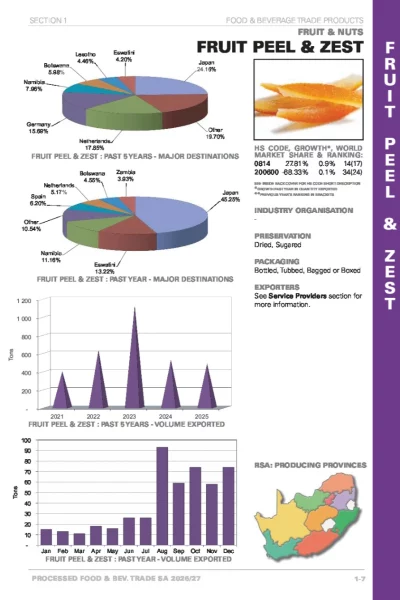
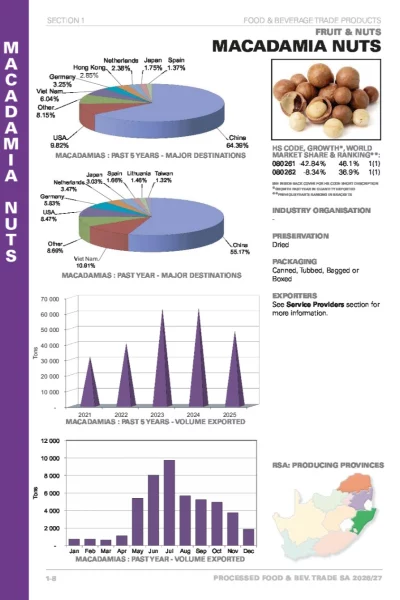
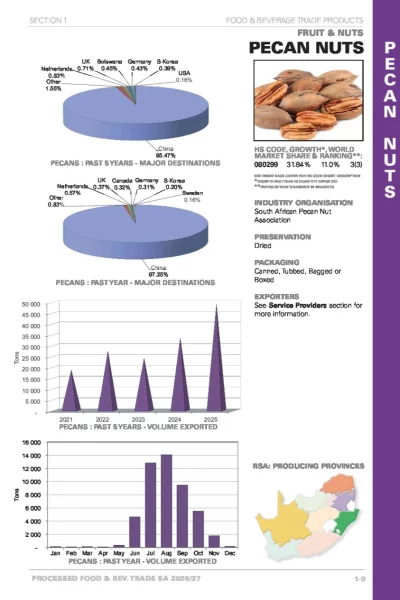
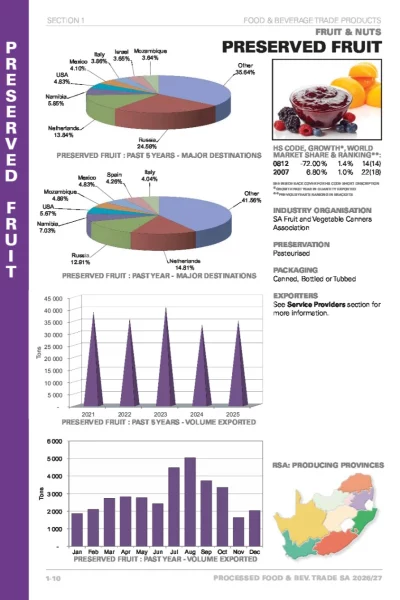
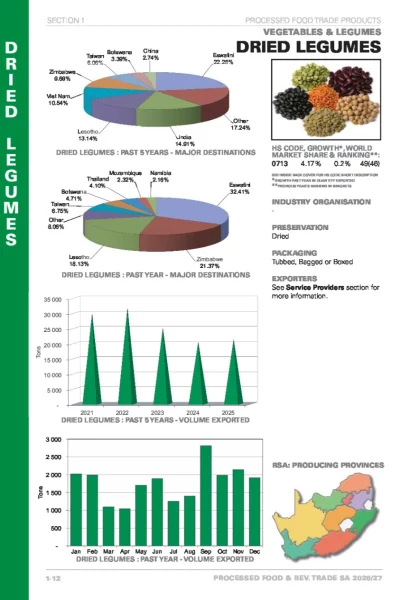
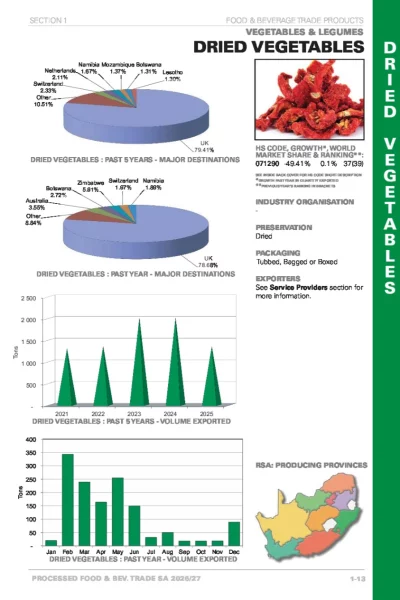
The current editions are Fresh Food Trade SA, covering the fresh food trade and supply chain, Processed Food & Bev Trade SA, covering processed food and beverage trade, including contract manufacturing and co-packing, and Wines & Wineries Of SA, the visitor’s guide to South African wines and wineries. Registration is for inclusion in future editions of these publications, not for website listings.
It is an arrangement where a third-party facility produces food or beverage products to a brand owner’s specification. The brand owner keeps the recipe, brand and sales channels while the manufacturer handles production.
A contract manufacturer typically produces the full product from the specification, often sourcing ingredients. A co-packer traditionally focuses on filling, packing and finishing an existing product, although many facilities now offer both.
Minimum order quantities vary widely by category, format, and facility, from a few hundred units for trial runs to several thousand for standard production. Always confirm MOQs in writing and ask whether a paid trial batch is available.
First production runs commonly take longer than repeat orders because of artwork approval, ingredient procurement, and line setup. Confirm standard lead times, peak-season performance, and the facility’s plan for stock continuity before committing.
Request the Certificate of Acceptability, current food safety certification such as HACCP or FSSC 22000, recent audit reports, the allergen management plan, batch record examples, and recall procedure documentation.
Yes. Beverage contract manufacturing commonly covers blending, filling, bottling, canning, capping, labelling, and secondary packaging, depending on the facility’s lines and the product format.
Use a consistent shortlisting checklist covering compliance, certification, allergen control, traceability, MOQs, lead times, packaging compatibility, and commercial terms. Comparing every candidate against the same criteria makes supplier-fit decisions far easier.
Prepare an accurate capability summary covering product categories, certifications, capacity, MOQs, regions served, and contact details. Buyer-ready information makes a listing in the annual publications far more useful to trade readers.
We respect your privacy, do not tolerate spam and will never sell or give away your personal information to any third party.
We respect your privacy, do not tolerate spam and will never sell or give away your personal information to any third party.
We respect your privacy, do not tolerate spam and will never sell or give away your personal information to any third party.

Register to receive a free download link via your email address.
We respect your privacy, do not tolerate spam and will never sell or give away your personal information to any third party.
Register to receive a free download link via your email address.
We respect your privacy, do not tolerate spam and will never sell or give away your personal information to any third party.
We respect your privacy, do not tolerate spam and will never sell or give away your personal information to any third party.
We respect your privacy and do not tolerate spam and will never sell, rent, lease or give away your information (name, address, email, etc.) to any third party.
Feature now in the online edition and also in the next print edition. After registration you will receive an email with detailed participation options.
We respect your privacy and do not tolerate spam and will never sell, rent, lease or give away your information (name, address, email, etc.) to any third party.
We respect your privacy, do not tolerate spam and will never sell or give away your personal information to any third party.