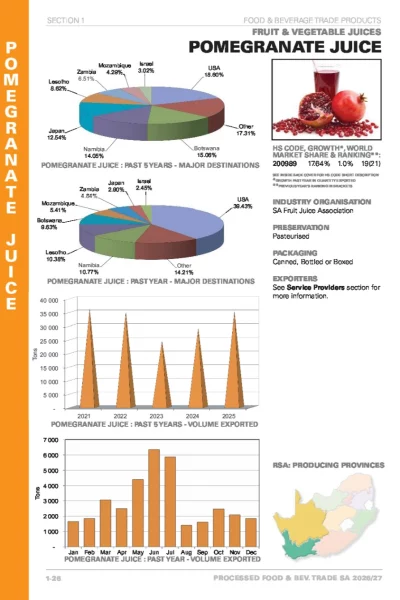
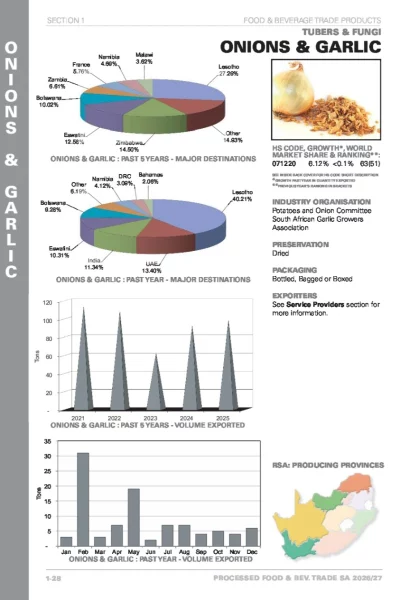
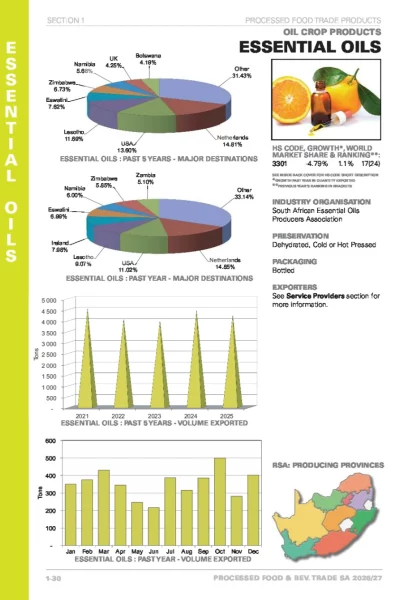
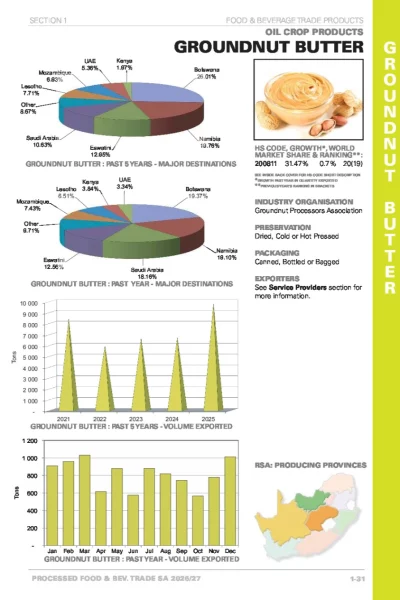
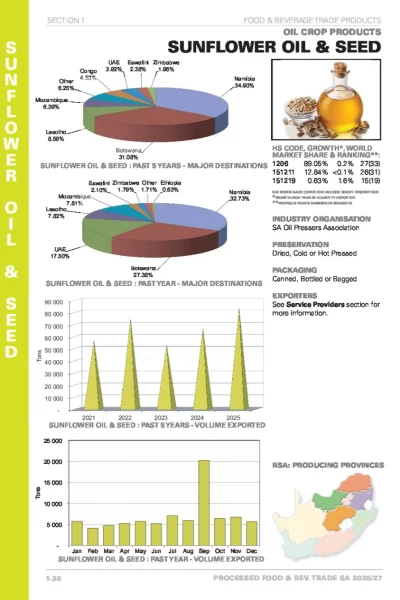
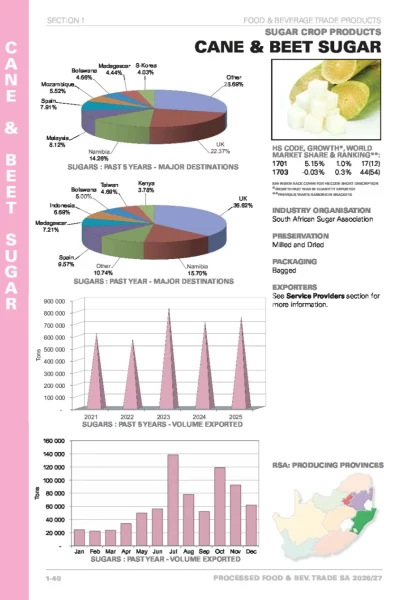
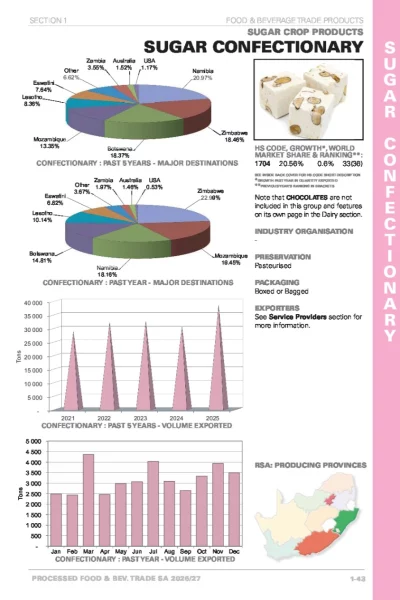
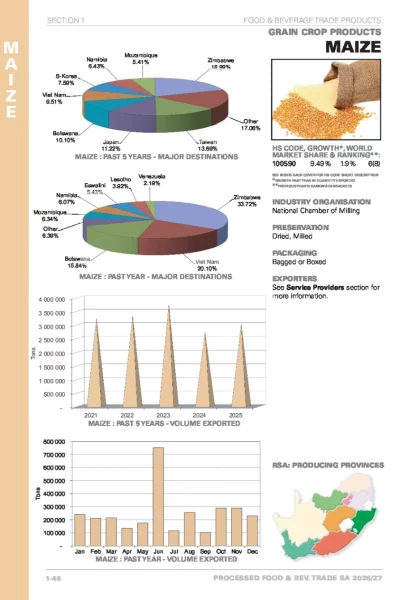
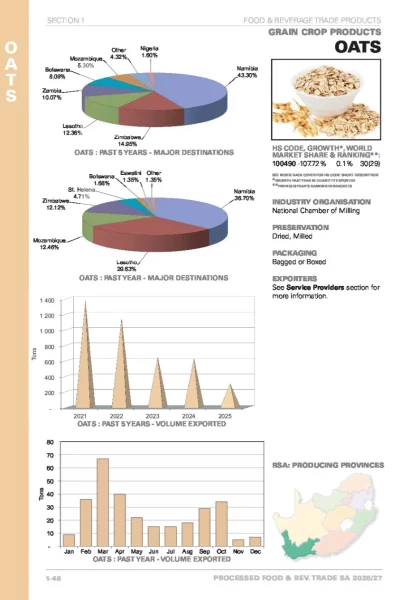
Register to receive a free download link via your email address
We respect your privacy, do not tolerate spam and will never sell or give away your personal information to any third party.
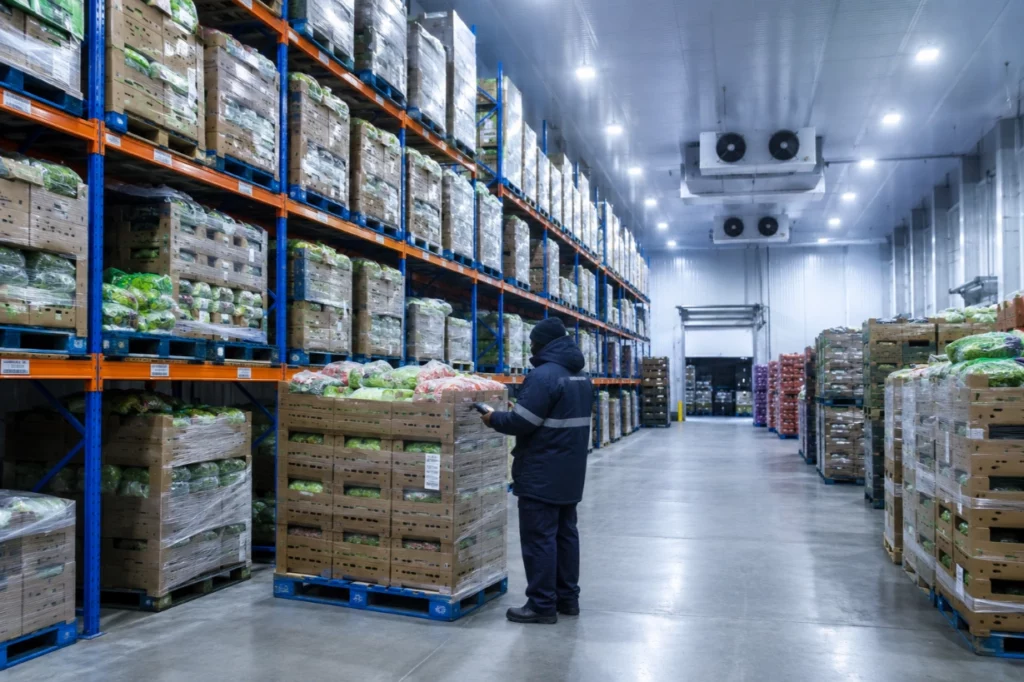
Picture a supply chain manager in October, staring down the festive season demand spike with one refrigerated transport contract about to lapse. Shortlisting cold chain service providers South Africa buyers can actually rely on takes more than a quick search and three phone calls. A wrong choice shows up later as temperature breaks, rejected deliveries, written-off stock, and awkward conversations with retail customers.
This guide explains what cold chain logistics covers in the South African food and beverage trade, which products depend on it, and how to evaluate providers before an RFQ or site visit. It also covers the service-level checks, documentation, and common risk areas that separate a solid partner from a costly one. A practical shortlisting checklist and FAQs are included, along with a faster route to discovering relevant providers through the annual trade guides. Buyers who already use a supplier vetting checklist for SA buyers will find the same logic applies here, just with refrigeration added.
Cold chain logistics is the managed movement and storage of temperature-sensitive products from production through to the final delivery point, without breaking the required temperature range. In practice that means refrigerated transport, cold chain warehousing, temperature monitoring, and the documentation that proves the product stayed within specification. In South Africa, Regulation R638 hygiene requirements for the transport of food under the Foodstuffs, Cosmetics and Disinfectants Act set the legal baseline, including thermometers in every chilling and freezer facility used for storage, display, or transport.
The chain is only as strong as its weakest handover. A pallet can leave a packhouse at the correct temperature and still arrive compromised if the loading bay, vehicle, or receiving store lets the product warm up along the way.
Fresh fruit and vegetables, dairy, meat, poultry, and seafood are the obvious candidates, but the list runs wider. Frozen foods, prepared meals, certain beverages, and temperature-sensitive ingredients such as cultures, yeasts, and some flavourings all rely on temperature-controlled transport and storage. Products carrying claims on their packaging also depend on an unbroken chain, because a temperature break can undermine the shelf life printed on the label. Anyone reviewing food labelling requirements in South Africa will know that date marking and storage instructions assume the cold chain held.
Exporters, wholesalers, retailers, foodservice operators, manufacturers, packhouses, distributors, and importers all procure cold storage services and refrigerated transport in some form. Some need dedicated fleets and contracted cold chain warehousing. Others need shared loads, seasonal overflow capacity, or a partner for a single export corridor.
Temperature integrity protects product safety, shelf life, and the commercial relationship with the customer receiving the load. Continuity matters too, because vehicle availability, warehouse capacity, and lead times determine whether seasonal peaks get serviced or missed. Documentation and traceability close the loop, since buyers increasingly expect temperature records, delivery proof, and recall readiness as standard. For export consignments, the perishable products export regulations require cold chain service providers and transport facilities to register with the Perishable Products Export Control Board, with annual inspections of facilities, vehicles, and equipment.
Use this table to structure first conversations with cold chain service providers South Africa wide before issuing an RFQ.
| Criterion | What a buyer should ask or verify |
|---|---|
| Temperature integrity | Which temperature ranges are guaranteed, how are they monitored, and what happens when a deviation is detected in transit? |
| Fleet capability | How many refrigerated vehicles operate per region, what are their age and maintenance records, and is multi-temperature transport available? |
| Cold storage capacity | What chilled and frozen capacity exists per site, and how is seasonal overflow handled? |
| Route coverage | Which regions, corridors, and delivery windows are serviced, and are ports and export depots covered? |
| Compliance and documentation | Can the provider show a valid Certificate of Acceptability, PPECB registration where exports apply, and sample temperature records? |
| Monitoring and reporting | Is real-time temperature monitoring available, and how quickly are reports and proof of delivery shared? |
| Contingency planning | What backup power, standby vehicles, and escalation procedures exist for power interruptions and breakdowns? |
| Commercial terms | How is pricing structured, what are the payment terms, and what does the service-level agreement cover? |
Regional footprint shapes almost every refrigerated logistics decision in South Africa. Gauteng anchors inland distribution and consolidation, the Western Cape combines dense fresh produce and wine volumes with the Cape Town port corridor, and KwaZulu-Natal carries heavy import and export flows through Durban. National distributors must also manage the long road legs between these hubs, where vehicle reliability and driver scheduling decide whether delivery windows hold. A provider with depth in one province may be thin in another, so route coverage claims deserve specific questions rather than polite nods.
Beyond geography, the operational detail determines day-to-day performance. Compare cold storage capacity, refrigerated fleet capability, delivery windows, temperature monitoring, and lead times across shortlisted providers using the same template. Then test the commercial layer, including service-level agreements, documentation standards, payment terms, and escalation procedures when something goes wrong at 02:00 on a Saturday. Providers who answer these questions in writing, without hedging, tend to be the ones worth a site visit.
For procurement and supply chain buyers, a structured discovery and shortlisting approach delivers:
For cold chain, warehousing, refrigerated transport, and packaging service providers, inclusion in the annual guides offers:
No directory or guide replaces proper due diligence. What it does is shorten the distance between a buyer with a requirement and a provider with the capability to meet it.
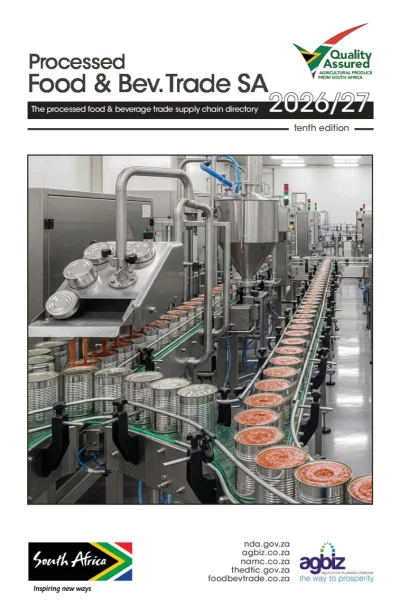
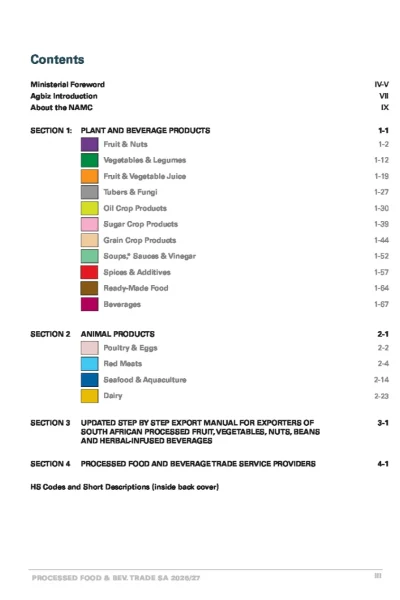
Get a buyer-ready reference and directory-style guide for South African food and beverage trade, supply chain, and service provider discovery. Each publication is a free downloadable PDF built for procurement, sourcing, and trade decision-makers.
Registration supports inclusion in future editions of these publications (not website listings).
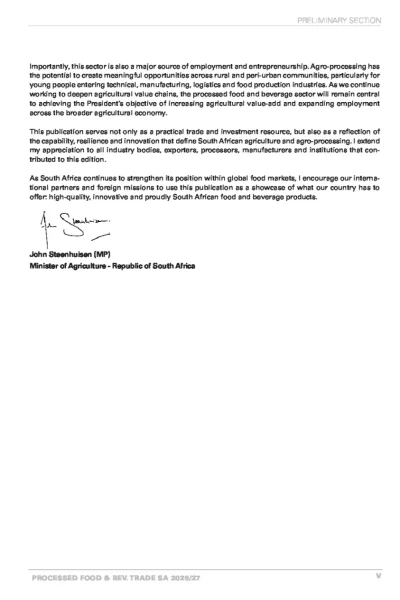
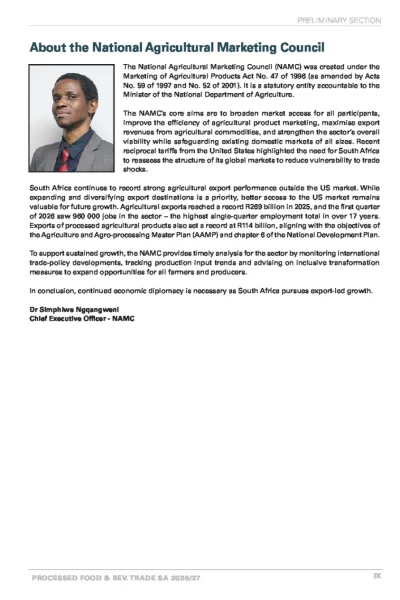
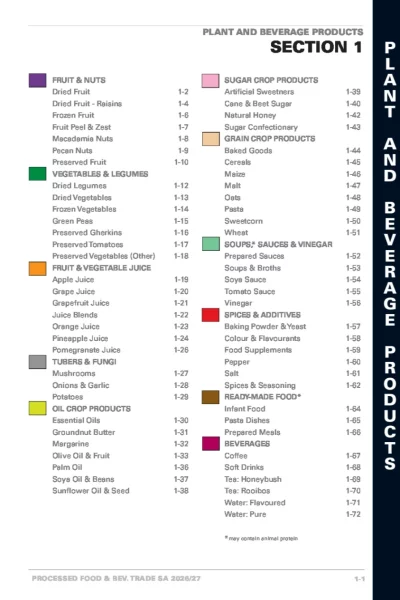
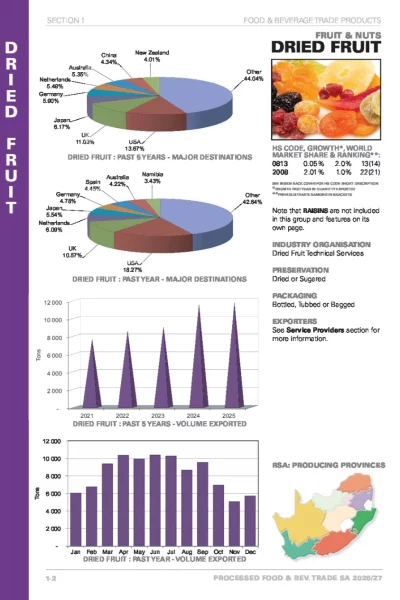
Food and Beverage Trade South Africa is a publisher and trade resource hub connecting buyers, suppliers, producers, exporters, manufacturers, distributors, and service providers through annual downloadable PDF publications. Fresh Food Trade SA covers the fresh food trade and supply chain, Processed Food & Bev Trade SA covers the processed food and beverage supply chain, and Wines & Wineries Of SA is the visitor’s guide to South African wines and wineries.
Cold chain, refrigerated transport, warehousing, and packaging businesses can register for inclusion in future editions of these publications. Registration is for the annual publications themselves, not website listings, which keeps the guides focused, current, and genuinely useful to the buyers who download them.
A cold chain service provider stores, handles, and transports temperature-sensitive products within specified temperature ranges, using refrigerated vehicles, cold storage facilities, and monitoring systems. Many also supply temperature records and delivery documentation as part of the service.
Regulation R638 of 2018 sets the general hygiene and temperature requirements for food storage and transport, with chilled perishable food typically held at 5 degrees Celsius or below and frozen food at minus 18 degrees Celsius or below. Confirm the exact requirement for each product category, as some products carry stricter specifications.
Yes. Facilities, vehicles, and equipment handling perishable products destined for export must be registered with the PPECB and pass annual inspections. Always ask an export-facing provider for proof of current registration.
Ask for the specific regions, corridors, depots, and delivery windows each provider services, rather than accepting a national coverage claim at face value. Then match that footprint against where stock actually needs to move, including ports for export volumes.
Expect a valid Certificate of Acceptability, temperature records for each load, proof of delivery, and PPECB registration where exports apply. Providers should be able to share sample documentation during the shortlisting stage.
Pricing models vary and may include per-pallet storage rates, per-kilometre or per-load transport rates, fuel adjustments, and minimum volume commitments. Ask for a full rate card and clarity on surcharges before comparing quotes.
A solid SLA covers guaranteed temperature ranges, delivery windows, monitoring and reporting, documentation turnaround, escalation procedures, and liability when a temperature break or late delivery occurs. Anything left vague in the SLA tends to become a dispute later.
The annual Food and Beverage Trade South Africa publications give buyers a directory-style starting point for discovering cold chain service providers South Africa offers, alongside suppliers and producers across the trade. Download the guide most relevant to the category being sourced.

We respect your privacy, do not tolerate spam and will never sell or give away your personal information to any third party.
We respect your privacy and do not tolerate spam and will never sell, rent, lease or give away your information (name, address, email, etc.) to any third party.

Register to receive a free download link via your email address.
We respect your privacy, do not tolerate spam and will never sell or give away your personal information to any third party.
Register to receive a free download link via your email address.
We respect your privacy, do not tolerate spam and will never sell or give away your personal information to any third party.
We respect your privacy, do not tolerate spam and will never sell or give away your personal information to any third party.
We respect your privacy and do not tolerate spam and will never sell, rent, lease or give away your information (name, address, email, etc.) to any third party.
Feature now in the online edition and also in the next print edition. After registration you will receive an email with detailed participation options.
We respect your privacy and do not tolerate spam and will never sell, rent, lease or give away your information (name, address, email, etc.) to any third party.
We respect your privacy and do not tolerate spam and will never sell, rent, lease or give away your information (name, address, email, etc.) to any third party.
We respect your privacy, do not tolerate spam and will never sell or give away your personal information to any third party.
We respect your privacy, do not tolerate spam and will never sell or give away your personal information to any third party.
We respect your privacy, do not tolerate spam and will never sell or give away your personal information to any third party.
We respect your privacy and do not tolerate spam and will never sell, rent, lease or give away your information (name, address, email, etc.) to any third party.