Dry Goods Supplier South Africa
TL;DR: Key Takeaways
Define the category and pack format first (SKU spec, case size, shelf life) so the Dry Goods Supplier brief is clear from day one.
Compare total landed cost (unit price + delivery + picking/handling + pallet charges), not just a price per case.
Shortlist on proof: traceability, batch information, and a documented process for quality complaints and recalls.
Put service levels in writing: order cut-off times, lead times by region, and an on-time-in-full target.
Introduction
A procurement team sits with a forecast, a shelf gap that needs fixing, and a production planner asking for certainty on the next delivery. Securing a reliable Dry Goods Supplier can feel simple on paper, yet the details (lead times, MOQs, documentation, and delivery performance) are where deals either run lekker smooth or turn into a weekly headache.
This page covers what “dry goods” means in South Africa’s trade context, how to evaluate and shortlist suppliers, which questions reduce risk, and how to find credible options faster when timelines are tight.
Dry goods in South Africa’s trade context (and why buyers care)
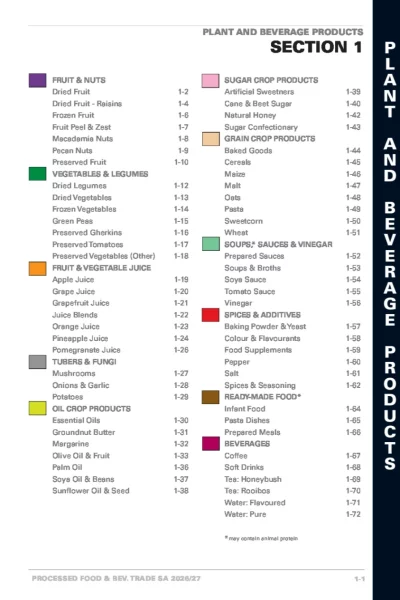
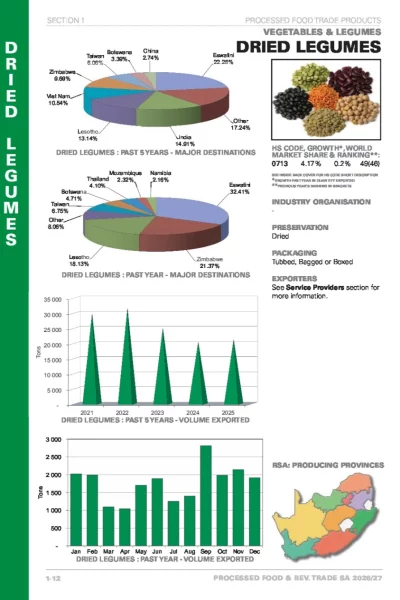
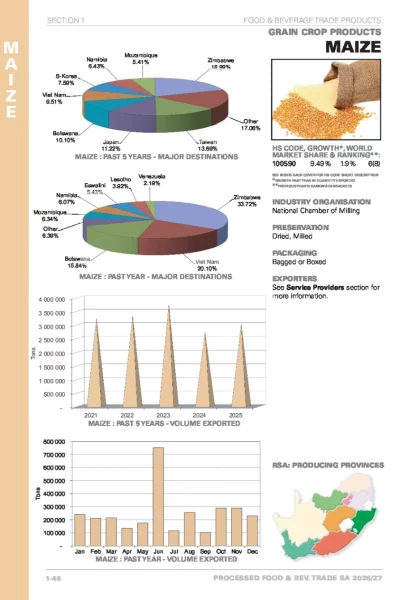
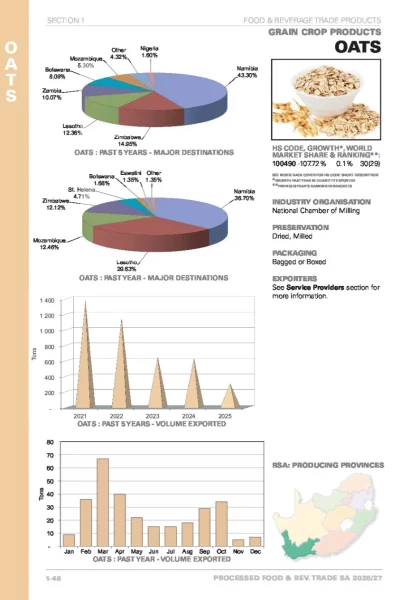
“Dry goods” usually refers to shelf-stable foods and inputs that do not need chilled or frozen handling. In FMCG and foodservice, typical examples include grains and cereals (rice, maize products, oats), pulses (lentils, beans), baking inputs (flour, sugar, baking powder), spices and seasonings, pantry staples (pasta, noodles), and ambient-stable products in cans, jars, or sachets.
Because the basket is broad, buyer clarity matters. A Dry Goods Supplier conversation goes faster when the brief is specific: product spec (including pack size and case configuration), expected throughput (weekly/monthly), and handling expectations (ambient only, humidity limits, pest-control standards, and pallet build requirements).
Who buys dry goods?
Retail and wholesale teams typically focus on range consistency, replenishment reliability, and pricing predictability. Foodservice buyers care about mixed-SKU ordering, quick top-ups, and packaging formats that match usage. Manufacturers treat many shelf-stable inputs as production-critical, so traceability, QA release, and spec consistency become non-negotiable.
Why supplier performance matters
Dry goods are “stable” until service levels slip. The most common operational pain points are continuity breaks (late deliveries or unannounced substitutions), avoidable losses (damaged cases, torn sacks, moisture exposure, pests), and compliance gaps (missing batch information or incomplete documentation). South Africa’s regional warehousing realities and transport variability can amplify the impact, so distribution footprint and order discipline matter almost as much as price.
For a broader view of distribution constraints and planning, see food logistics in South Africa. For broader supplier discovery context, see bulk food suppliers in South Africa.
Dry goods supplier shortlisting checklist
| Criterion | What a buyer should ask/verify |
|---|---|
| Product specification fit | Confirm pack size, case count, ingredient/spec sheet, and acceptable substitutions. |
| Stockholding & availability | Ask for typical stock cover (weeks) and how backorders are communicated. |
| Lead times & cut-off times | Confirm order cut-off, dispatch schedule, and typical delivery window by region. |
| MOQs & ordering flexibility | Check MOQs per SKU and whether mixed pallets/cases are allowed. |
| Pricing structure | Request a clear quote: unit price, VAT, delivery, picking, pallets, rebates, and escalations. |
| Quality controls | Confirm incoming checks, pest control routines, and handling rules for damaged goods. |
| Traceability & documentation | Verify batch/lot tracking, recall process, and document turnaround times. |
| Shelf-life management | Ask for FEFO handling and minimum remaining shelf life on delivery. |
| Damage/shrink risk controls | Confirm pallet wrap standards, claims process, and time limits for reporting. |
| Compliance basics | Confirm labelling requirements are met and importer documentation is available where applicable. |
How to evaluate and shortlist a supplier (practical procurement steps)
1) Lock the buying spec before engaging sales
Start with a one-page spec that procurement, category, and ops can all sign off. Include the must-haves (spec, pack format, shelf life, allergen profile), the volume reality (average demand plus peaks), and the delivery model (single DC, multi-site drops, or direct-to-store). This prevents the classic trap where three quotes arrive and none are comparable.
2) Match the supplier model to the operational need
A dry goods supplier in South Africa can play different roles. A dry goods wholesaler South Africa teams use is typically geared for breadth and mixed-SKU ordering. A dry goods distributor South Africa buyers use is often built for regional coverage, faster replenishment, and reliable delivery lanes. Import-focused partners may be needed for specific origins or grades, while direct manufacturers or packers suit narrow ranges where spec control is the priority.
Decide what matters most for the category: breadth, speed, certainty, or cost stability. Then shortlist Dry Goods Supplier options built for that job, rather than trying to force-fit a one-size solution.
3) Run a “proof pack” check (documents that prevent surprises)
Before a trial order, ask for evidence that the Dry Goods Supplier is operationally ready. A proof pack can include a current spec sheet plus ingredient/allergen declarations where relevant; a sample batch/lot reference with a clear traceability method from PO to delivery; a written complaints/returns process (including how credits are issued); and a simple service-level statement (order cut-off, delivery windows, escalation path).
For official references on labelling and food control, use the National Department of Health food control regulations page. For standards alignment on testing, sampling, or relevant specifications, the SABS standards portal is a practical starting point.
4) Compare total landed cost (and price-change triggers)
Unit price alone rarely tells the truth. Compare delivery fees by region, picking/handling costs for mixed orders, pallet charges or deposits, and payment terms. Also ask how price changes are triggered (currency, commodity moves, supplier increases) and how much notice is provided.
If imported items are on the list, confirm what is included in the quote (clearance, duties, delivery) and align processes to SARS imports guidance.
5) Pilot, measure OTIF, then scale with clear service levels
A small pilot order should be measured like a mini-contract: on-time-in-full performance, damage rate, substitutions (and approval method), and invoicing accuracy. When the numbers look right, scale with agreed service levels and a review cadence that keeps performance visible.
Dry Goods Supplier South Africa
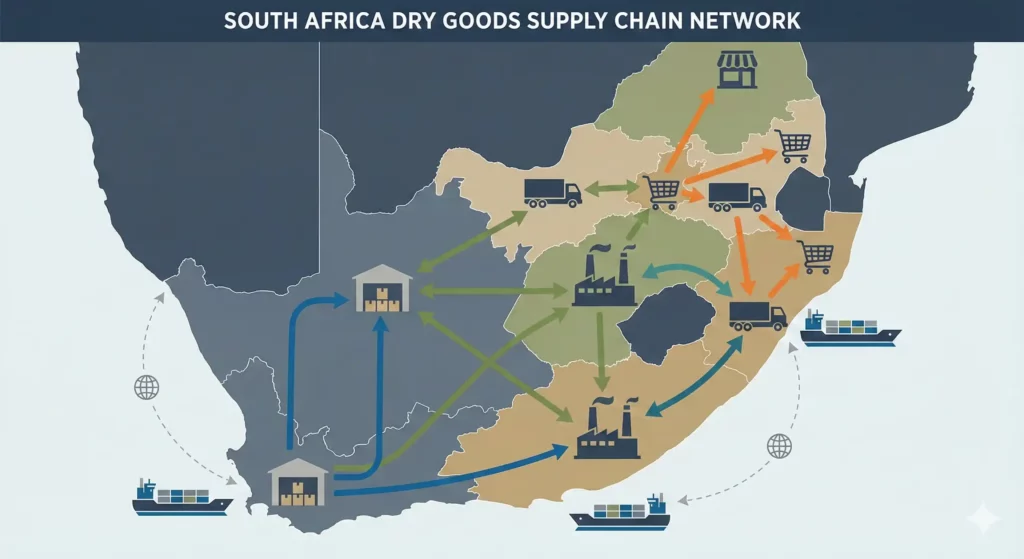
Regional realities can make or break a shortlist. Gauteng networks often suit national distribution and multi-DC replenishment. Western Cape coverage can be critical for port-adjacent warehousing, import receiving, and regional top-ups. KwaZulu-Natal is a key lane for port-linked supply and inland distribution. A credible dry goods supplier in South Africa should be able to state coverage by region, typical lead times, and the operational “rules of the road” (cut-offs, delivery days, and claims timelines).
On the commercial side, the biggest differences usually sit in MOQs, lead times, and payment terms. Some dry goods suppliers South Africa teams use are built for bulk, full-pallet movement and longer planning cycles. Others are built for mixed cases and frequent, smaller drops. Ask upfront how mixed orders are priced, whether stock is reserved for key accounts, and how substitutions are handled when a line goes short. That clarity saves a lot of chasing later and protects the dry goods supply chain South Africa teams rely on.
Benefits: outcomes that matter to buyers and suppliers
For buyers, a structured shortlist means faster comparison, fewer back-and-forth emails, and fewer hidden costs. It also makes compliance and delivery expectations explicit, which helps procurement, category, and ops align before rollout. The practical outcome is continuity: fewer urgent escalations, clearer accountability, and better predictability.
For suppliers, being included in the annual publications improves discoverability with trade buyers who are actively sourcing. It also provides a consistent format to present capabilities (ranges, regions served, accreditations, and operational readiness), so enquiries tend to be better qualified. No inflated promises; just a clearer route to being found by the right decision-makers.
Call-to-Action
Download one of our latest eBooks
Receive a buyer-ready reference guide that helps teams discover partners and shortlist faster.
Register your business to be featured in upcoming publications.
Platform Overview
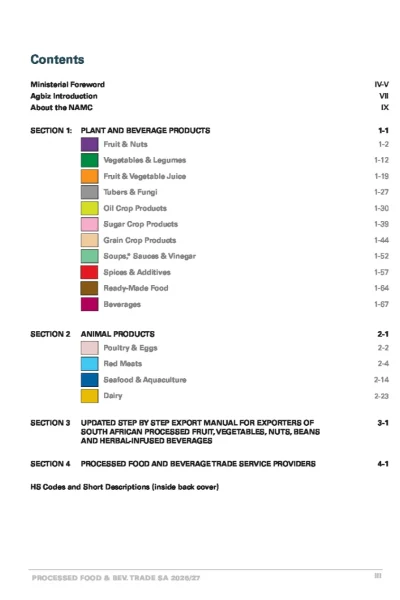
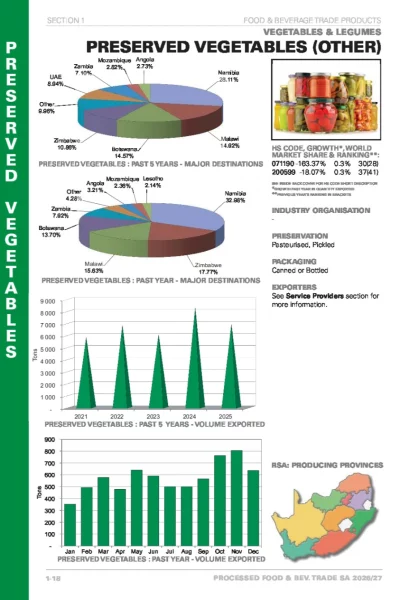
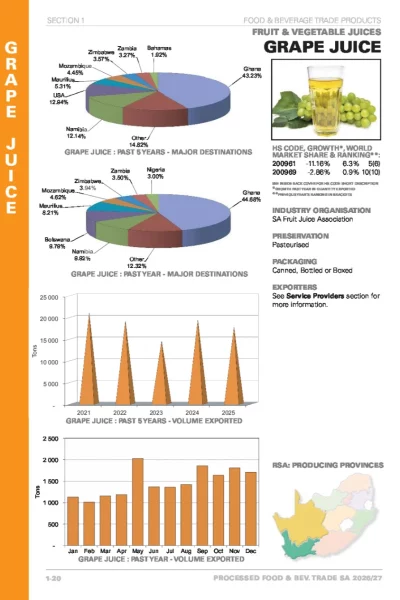
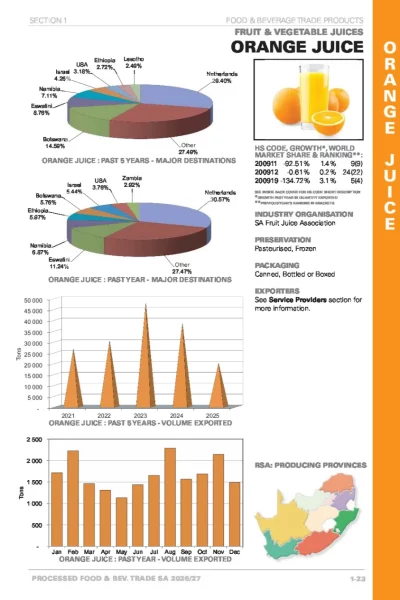
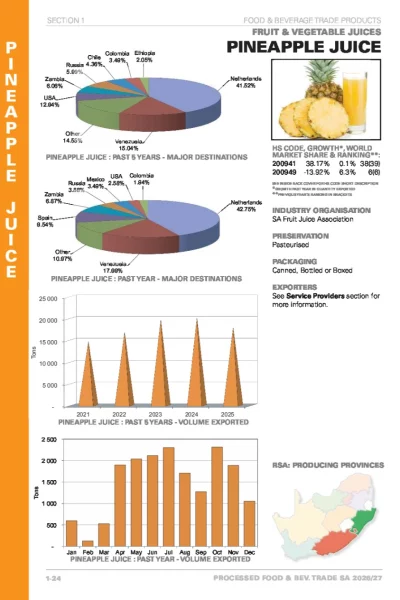
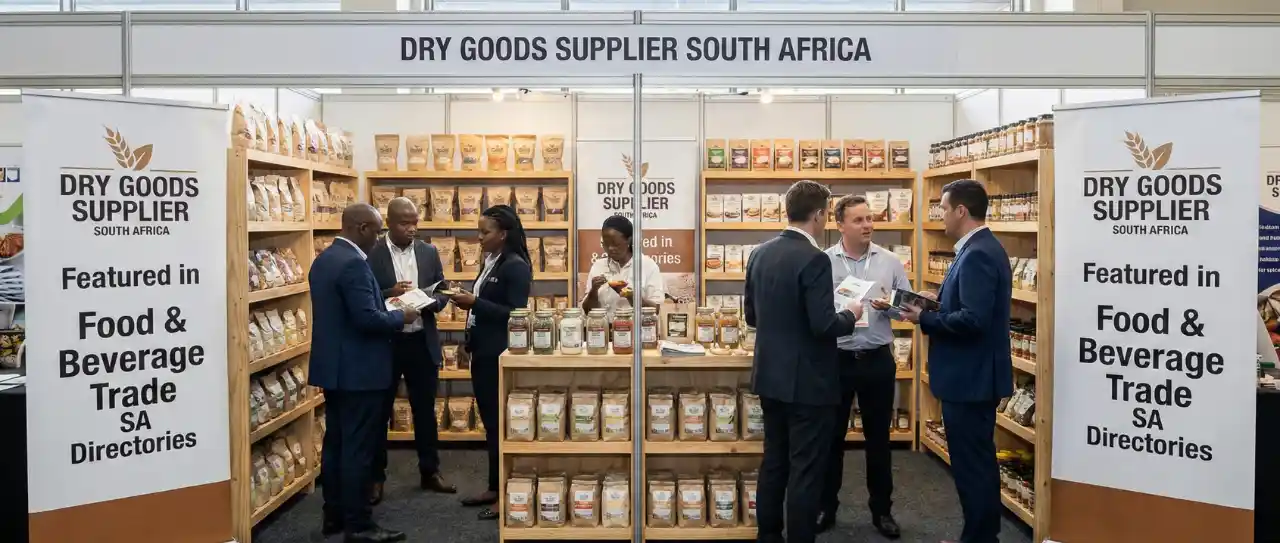
Food and Beverage Trade South Africa is a publisher and trade resource hub that connects buyers and suppliers through annual publications (downloadable PDFs through our pop-up forms). These guides support procurement and category teams with supplier discovery, market context, and trade-ready reference information:
Supplier registration is for inclusion in future editions of the publications, not for website listings.
FAQ
What is a typical MOQ for bulk dry goods?
MOQs vary by SKU and packaging (cases vs pallets). Always ask for MOQ per SKU plus rules for mixed pallets or mixed cases.
What lead times should be expected from a dry goods distributor South Africa buyers use?
Lead times depend on region and stockholding. Confirm order cut-off time, dispatch days, and typical delivery windows for Gauteng, Western Cape, and KZN lanes.
Which documents should be requested before placing a first order?
Ask for a spec sheet, ingredient/allergen declaration where relevant, batch/lot traceability example, and a written claims/returns process.
How should quality and shelf life be checked for shelf-stable foods?
Confirm FEFO handling and minimum remaining shelf life on delivery, then verify storage conditions (humidity control and pest management) at the warehouse level.
How do pricing structures usually work for dry goods wholesalers?
Pricing can include add-ons like delivery, picking/handling, pallet charges, and escalations. Compare landed cost on the same assumptions, not just case price.
What causes stockouts, and how can they be reduced?
Common causes include supplier stock cover gaps, late ordering, and upstream shortages. Reduce risk by confirming backup sourcing, substitution rules, and stock reservation options for key SKUs.
How should multiple dry goods suppliers South Africa teams use be compared fairly?
Use a single scorecard: spec fit, landed cost, lead time reliability, OTIF history (or pilot results), documentation turnaround time, and claims performance.
What is the fastest way to discover potential suppliers without endless outreach?
Use a buyer-ready reference guide to identify likely-fit partners, then apply the same shortlist checklist before requesting quotes and samples.